Our Stories

To protect themselves from the harsh Mediterranean sun, the ancient Greeks built their structures from mudbrick and plaster. Clay roof tiles kept their building interiors cool and redirected water away from the walls. And plain wooden shutters and doors kept the sun (or rain) out. Together, these simple constructions are among the earliest examples of what we now call the building envelope.

In today’s buildings, mud has been replaced by steel and stone, and roof tiles can be made of metal, concrete, or even plastic. But the objective of the building envelope remains the same: to keep the outside out and the inside in. The roof, walls, windows, doors, and foundation that make up a building envelope not only provide protection from the elements, they also prevent damage and improve energy efficiency in modern buildings.

Functions of a Building Envelope

Building envelopes serve many functions, but the following are the most crucial ways they protect a building:

It’s been estimated that building owners could save as much as 37 percent on heating and cooling costs simply by improving the airtightness of their building’s envelope.
Water Barrier

Protecting a structure from water damage is one of the most important functions of a building envelope. But it’s not just the roof and walls that keep water out. Other components play a crucial role as well:

  • Flashing, to keep water out of joints
  • Siding, to prevent water from seeping through exterior walls, especially brick or stone walls with permeable mortar
  • Gutters, to divert water away from the structure
  • Underlayment/vapor barriers, to keep moisture from penetrating walls, ceilings, and floors
  • Sealants and weatherstripping, to fill gaps between windows and doors

The consequences of a failed water barrier can be catastrophic. Even small amounts of moisture can cause wood and other building materials to deteriorate over time. It can erode the foundation and weaken the structural integrity of a building, putting its occupants in danger. Moisture can also cause mold, which not only destroys building materials, but can also impact indoor air quality and create health issues for occupants.

Thermal Barrier

Another key job of a building envelope is to act as a thermal barrier. In its simplest form, a thermal barrier prevents the transfer of heat from the outside to the inside and vice versa. Walls, roofs, windows, and doors are all thermal barriers. Some ways to strengthen the thermal barrier include:

  • Insulation, used in attics, foundations, floors, walls, and around windows
  • Multi-pane windows and special reflective coatings
  • Air-tight and multi-pane doors
  • Sealants and weatherstripping, to prevent air leaks around windows and doors

Another important function of the thermal barrier is to reduce thermal bridging. Thermal bridging occurs when heat passes from a building’s interior to its exterior via a building element like a balcony or parapet. Since exterior building elements like balconies are often made of high thermal conductivity materials like concrete or steel, heat energy can be rapidly conducted from the building’s interior to the outside via these thermal bridges. Thermal bridges can be mitigated with improved insulation, triple-glazed windows, and air-to-air heat exchangers, among other solutions.

Air Barrier

A building envelope also operates as an air barrier, preventing outdoor air from getting in, and indoor air from getting out. This function is important for more than just temperature regulation. Buildings need some air circulation to prevent a buildup of moisture and to prevent condensation. But it’s a delicate balancing act, because too much circulating air can raise heating and cooling costs.

A poorly constructed or maintained building envelope can greatly impact indoor air quality, allowing outside pollutants such as wildfire smoke and allergens to penetrate indoor air. It can also decrease energy efficiency and increase heating and cooling costs. A compromised building envelope is one of the main causes of energy loss in a structure. That’s one reason why it’s been estimated that building owners could save as much as 37 percent on heating and cooling costs simply by improving the airtightness of their building’s envelope.

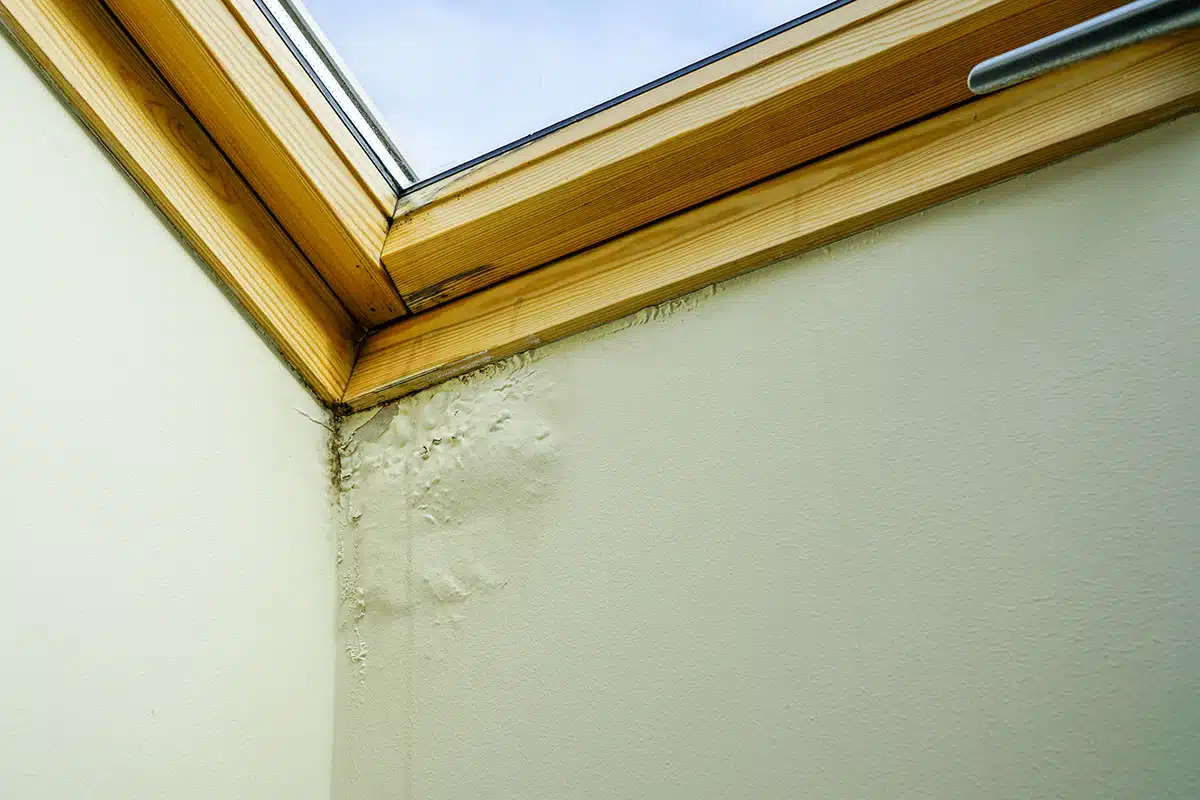
Water damage on a wall, caused by leaky framing on a skylight
Regular visual inspections of the building envelope can catch minor failures before they become major problems.

To be airtight, an air barrier must be continuous, with no gaps or holes. Seams where joints or panels meet should be sealed. Drywall and plywood are standard barrier materials, and used in combination with flexible materials like liquid membranes, they form an efficient continuous air barrier. Newer materials like rigid foam-board insulation and closed-cell spray foam are especially energy efficient because they prevent conditioned air from escaping, yet allow for the release of moisture.

Light and Sound Control

While the main purpose of a building envelope is to serve as a water, thermal, and air barrier, that’s not its only function. It also serves as a barrier to light and sound. Light barriers such as tinted windows are especially important because UV light can cause building materials to disintegrate, leading to costly repairs and replacements. Sound barriers like insulation ensure the comfort of a building’s occupants. 

Energy Efficiency and the Building Envelope

At their essence, building envelopes are a barrier between the conditioned and unconditioned environment. In the summer, they keep the cool air in and the hot air out. In the winter, they keep the warm air in and the cold air out. But more than that, the building envelope plays an outsized role in determining a building’s energy efficiency.

A building that has a “tight” envelope not only protects the structure from damage, it also greatly reduces heating and cooling costs. Tight envelopes are well-sealed, mechanically ventilated, and typically have fewer moisture issues than those with “loose” envelopes.

Buildings with loose envelopes have more natural ventilation. Some structures, especially heritage buildings, were intentionally designed to take advantage of natural breeze patterns (think transom windows and cross ventilation). However, they suffer greater air loss and therefore cost more to heat and cool.

Building envelope technologies account for as much as 30 percent of the energy consumed in both residential and commercial buildings, according to the U.S. Department of Energy. And air leakage through building envelopes accounts for six percent of all energy consumed by commercial buildings, resulting in sometimes astronomical utility bills for commercial building owners. For this reason, when it comes to improving energy efficiency, proper building envelope maintenance is key.

Best Practices for Maintaining a Building Envelope

A well-functioning building envelope starts with quality construction. But it doesn’t end there. Envelopes must be inspected and maintained regularly to ensure that they’re operating efficiently. Weather events, degradation, and other damage can all impact a building envelope’s functionality, and the earlier these issues are caught, the better.

Cases of building envelope failure are not hard to find. One spectacular example occurred in Vancouver, where thousands of condominiums and townhomes constructed during a housing boom in the 1980s suffered major water infiltration. During what’s known as the “Leaky Condo Crisis,” water vapor was able to penetrate the buildings, which led to rot, rust, and mold that compromised structural integrity. The crisis has resulted in billions of dollars in damages, with legal battles and retrofitting that continues to this day.

The lesson learned is that when it comes to commercial building envelope maintenance, an ounce of prevention is worth a pound of cure. Even a small kink in the armor can lead to a big headache down the road, so it’s important to establish a regular maintenance schedule to catch problems early on. It can be tempting to put off inspections and maintenance when faced with limited time and resources, which is why having a schedule is important. Depending on the type of facility, inspections should occur at least once a quarter.

Inspecting a building envelope might seem like a herculean task, but one effective approach is to follow a “roof-to-floor” strategy:

  • Roof: Inspect tiles, flashings, vents, fans, and other penetrations. Look for signs of water damage. Check corners, valleys, and gutters. And given that the roof is the most at-risk location for water ingress, be sure to conduct roof inspections at least twice a year.
  • Walls: Visually inspect exterior walls for moisture intrusion, mold, or mildew. Check exterior siding. Pay particular attention to penetration joints and seals.
  • Fenestrations: Check all windows, doors, skylights, or other fenestrations for water or moisture leaks, especially around frames. Ensure weatherstripping is in good shape.
  • Floors and foundation: Inspect for signs of water seepage, cracks, or other damage. Keep an eye out for the telltale powdery signs of efflorescence. Confirm proper sloping to ensure that water doesn’t pool at the foundation.

A rooftop garden with sidewalks and hedgerows
Garden rooftops lower heating and cooling costs, and can provide an outdoor break area for building occupants.

Outside of visual inspections, there are specialized tools and tests for commercial building inspection that can help determine whether a building envelope is operating as it should. The gold standard in air leak detection is the blower door test, which measures a building’s airtightness. Another important tool is an infrared camera, which can be used to check for leaks by quickly locating hot (or cold) spots and thermal bridges. For hard-to-reach places, borescopes can provide visual data that’s otherwise inaccessible, and drones can be used to inspect tall buildings.

The Future of Building Envelope Design

Building envelopes have come a long way since the early days of mudbrick shelters. And their design continues to evolve. A push towards more sustainable building practices means laws are changing. In California, net zero buildings will be required of all new commercial construction by 2030, part of an effort to reduce greenhouse gas emissions and reduce energy consumption. An increased focus on energy efficiency means architects, designers, builders, and researchers are looking for new ways to reduce heating and cooling costs. Some alternatives on the horizon include:

  • Green rooftops, in which plants, shrubs, and trees are planted atop a roof, providing an added layer of insulation.
  • Adaptive materials such as smart windows, which darken or lighten based on temperature and light fluctuations.
  • Self-healing concrete, in which bacteria or enzymes are added to concrete and activated when wet, automatically filling small gaps or cracks.
  • Aerogel insulation, a silica-based product in which the liquid has been replaced with air, resulting in an extremely lightweight, solid, foam-like material.
  • Photovoltaic curtain walls, which not only provide an extra layer of protection, but also simultaneously generate power.

These innovations won’t become standard overnight. But their sustainability and energy efficiency ensure that future buildings will incorporate at least some of these technologies.

Your Building Envelope Maintenance Partner

PRIDE Industries has over 35 years of experience in facilities management, energy systems and building envelope maintenance, engineering services, and preventive and predictive maintenance. We can help you optimize your facility’s systems to lower both energy and maintenance costs. Contact us today to see what our award-winning facilities management services can do for you.

The integration of human machine interfaces (HMIs) in medical devices has changed the way healthcare is delivered. Take, for example, a hospital setting. Just 20 years ago, patient monitoring was accomplished by frequent in-person checks and manual recordings. Today, doctors and nurses monitor vital signs remotely in real time through mobile devices or centralized monitoring stations. Advanced HMIs in operating rooms enable doctors to remotely control robotic systems. And medical records are easily accessible to both patient and doctor through user-friendly computer interfaces.

This technological evolution shows no signs of slowing down. Forward-thinking manufacturers in the medical device industry are continuing to innovate, using human machine interfaces to meet customer demand for products that deliver better healthcare more efficiently.

What Are Human Machine Interfaces?

A human machine interface (HMI) is a dashboard or other medium that connects a person to a device or system, usually for the purpose of controlling the device. There are two types of interfaces: input controls and output controls.

The ideal human machine interface is intuitive and simple, so that the medical device can be successfully used in stressful situations by people without advanced medical expertise.

Input controls—such as keypads, touchscreens, knobs, and displays—capture a human’s commands to a machine. Output controls allow the device to provide feedback. While feedback may initially take the form of complex data, an output control transforms this information into a form that’s easily interpreted by humans. For example, a diabetic’s continuous glucose monitor (CGM) would be of little use if all it did was sense the individual’s blood sugar level. The real power of a CGM is the human machine interface—the display device, such as an iPhone, where information is transformed into instant glucose readings, trend graphs, and alarms that can alert a patient and medical staff to a serious issue.

3 Reasons Healthcare Providers are Demanding HMI-enabled Medical Devices

Doctors and other healthcare providers are adapting to several trends that are reshaping medical care. And these same trends are driving demand for human machine interfaces in medical devices.
  • An Aging Population:  According to the National Council on Aging, older adults are one of the fastest-growing demographic groups in America. In fact, it’s predicted that there will be 80.8 million Americans over 65 by 2040—over twice as many as in the year 2000. Since some of these users may be experiencing physical or cognitive issues, medical device manufacturers should ensure that their human machine interfaces are easy and intuitive. Consistent and familiar interfaces reduce the cognitive load on the user, thus increasing the likelihood that the device will be used properly.  And when an essential medical device is used properly and consistently, it greatly increases the quality of life for those in their golden years.
  • Chronic Illness Management: According to the CDC, almost half of the people in the United States are living with at least one chronic health condition, and 40 percent of adults suffer from two or more such conditions. All these health issues—from hypertension to diabetes—need to be monitored, often by the patient. Since most patients lack the medical device know-how of healthcare personnel, they (and their doctors) will choose medical devices with easy-to-use, intuitive human machine interfaces.

    For example, in the past diabetics needed to frequently prick their fingers to monitor blood glucose levels. Then the introduction of the continuous glucose monitor (CGM) took away the painful jab. And now, as human machine interfaces become more sophisticated, the data gathered by the CGM can easily be monitored by a patient—as well as doctors and loved ones—with greater convenience than ever before.
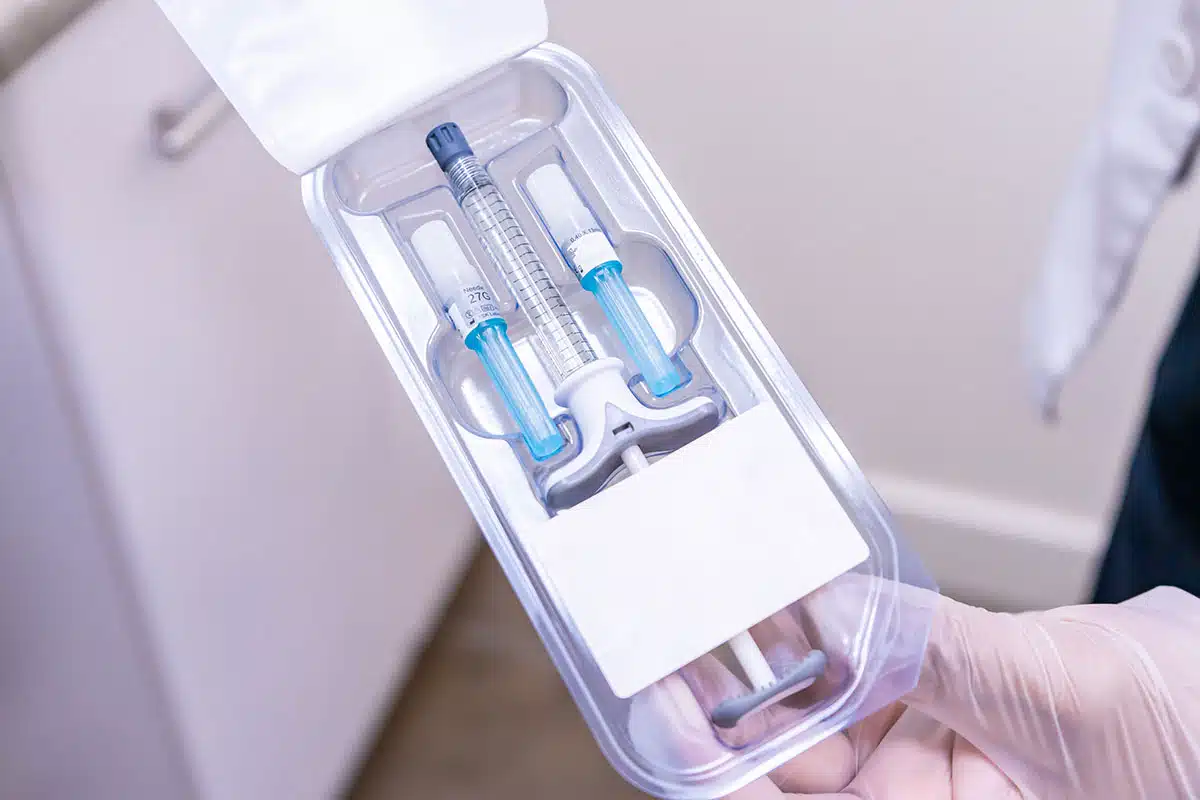
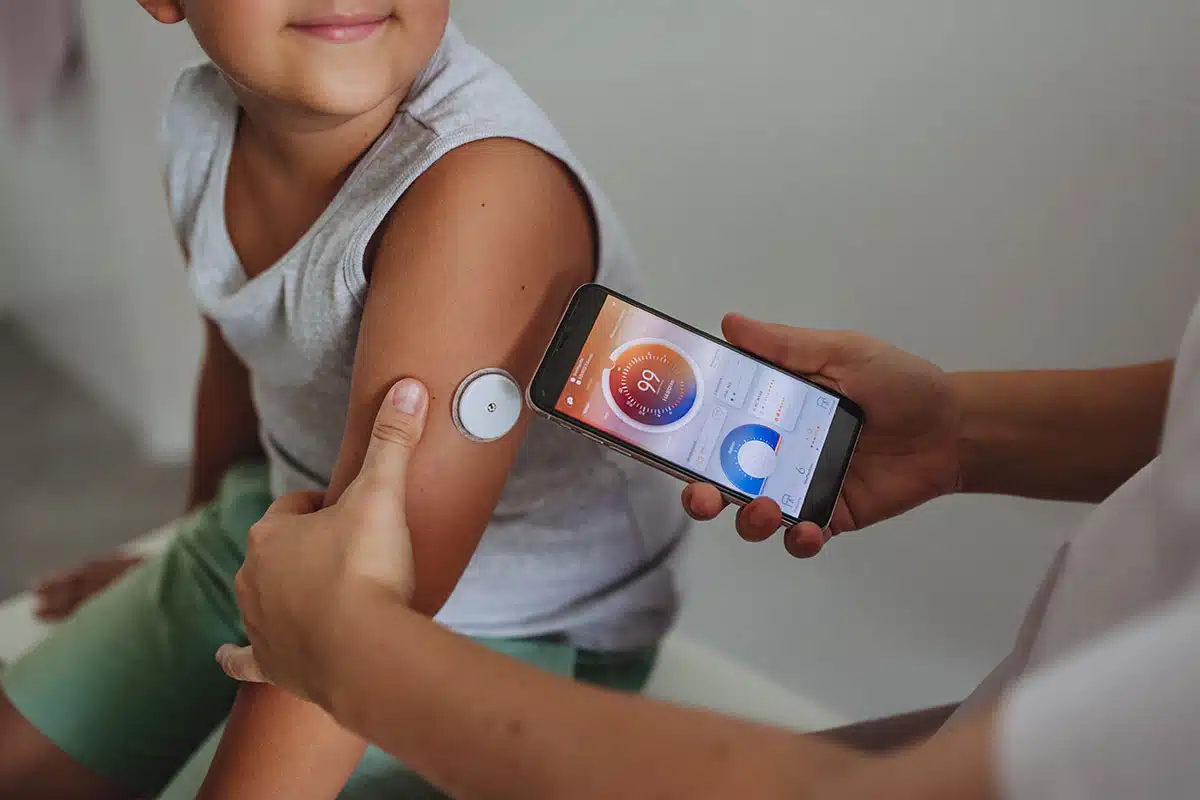
A young boy in a doctor’s office has the data from his continuous glucose monitor, displayed on an iPhone, read by a medical professional.
Human machine interfaces provide easy-to-interpret, real-time data to both patients and their healthcare providers.
  • Labor Shortages: The recent pandemic interrupted important education and training for many people entering the medical field. Additionally, a high number of healthcare professionals have experienced burnout and switched careers or retired early. For these reasons, healthcare providers are experiencing severe staffing shortages, and often need to rely on less-experienced workers. This has increased the demand for medical devices that incorporate easy-to-use human machine interfaces, as these devices are ideally suited for use by newer, less-experienced workers. Additionally, improving HMIs supports the use of telemedicine, making it possible for patients in underserved or remote locations to access quality care, despite the current staffing shortages.

Good Human Machine Interfaces Make Operation Easy and Intuitive

To be competitive in this environment, medical device manufacturers must deliver well-designed products that take advantage of sophisticated human machine interfaces. A robust HMI, however, does not mean a complex interface. The ideal interface will be intuitive and simple, so that the medical device can be successfully used in stressful situations by people without advanced medical expertise. For example, one way a device can reduce the risk of user error is to include confirmation prompts before executing critical actions.

Further, products that are easy to operate are more likely to be adopted by users. Therefore, medical device manufacturers should prioritize HMI at the onset of the product design phase, not as an afterthought.  Below are a few guidelines for interface design.

  • Consistent language/colors: Use consistent wording and color coding to guide the user through the interface.
  • Text and fonts: Avoid excessive text and make sure to use as large a font as possible.
  • Simple Graphics: Keep the graphics basic and easy to interpret.
  • Intuitive Navigation: Access to settings and other functions should be straightforward and not require specialized knowledge. Language should be in plain English.

Historically, HMIs have consisted of buttons, switches, and screens. But today’s forward-thinking manufacturers are developing more intuitive human machine interfaces that rely on gestures or voice commands. For instance, some new patient monitoring systems allow nurses and physicians to retrieve vital signs, document their observations, and adjust alarm settings—all through voice commands. This provides medical professionals with greater mobility, enabling them to better focus on patient care.

HMI Considerations Specific to Medical Devices

Across industries, good HMI design emphasizes clarity and ease of use. But with medical devices, there are additional requirements.

  • Ability to Be Easily Sterilized: Whether in a hospital, a doctor’s office, or at home, medical devices must be sterile. This means that whatever form human machine interfaces take, they must be easy to sterilize. One way to achieve this is to use membrane switches. Used for turning circuits on and off, these switches are thin, flexible interfaces made of multiple layers of plastic material. With a flat, sealed design, they make it easy to keep a device sterile by eliminating the need to clean around buttons or other moving parts. Their design also makes them resistant to liquids and more durable, since there are fewer moving parts.

    Another important technological advance for medical devices is the use of in-mold electronics. These electronics employ a manufacturing technique that directly integrates the electronics into the molded plastic components, creating a smart, interactive surface without the need for separate wiring or circuit boards. This not only increases reliability and durability, it also improves touch performance and can make the device easier to clean.
A membrane switch keypad
Used for turning circuits on and off, membrane switches make it easy to keep a device sterile by eliminating the need to clean around buttons or other moving parts.
  • Critical Need for Reliability: An interruption to the interface on a personal electronic device is annoying; on a medical device, that interruption could be life threatening. Robot-assisted heart surgery, for example, is one area where system interruptions could lead to disastrous results. Since many surgeries today are assisted by robots, design engineers are adding an innovative technology called electromagnetic interference (EMI) shielding to the products they design. This shielding protects a medical device’s Bluetooth or Wi-Fi connectivity from interference by other devices within the hospital.
  • Accessibility: It’s likely that many of the people using a medical device will be in less-than-ideal health. Does the HMI design take into consideration those with visual, auditory, or motor impairment? For example, how could a medical device assist someone with impaired movement due to age or disease? Researchers at Harvard, in conjunction with Massachusetts General Hospital, studied that exact challenge. They developed a soft robotic wearable prototype that test subjects were able to learn to operate in less than 15 minutes. The current prototype works by detecting residual movement in the shoulder area, but researchers are exploring potential versions of assistive wearables that could be controlled by brain signals—the ultimate in human machine interfaces.

The Future of Human Machine Interfaces in Medical Devices

Beyond meeting current customer expectations, manufacturers also need to think to the future. Hospitals are facing the perfect storm of an aging population, a shortage of skilled healthcare workers, escalating medical costs, and a rise in hospital-acquired infections. With the increased strain on the existing hospital model, some experts are seeking to shift care outside of hospitals, reserving these institutions for critically ill patients only. Yet to accomplish such a shift, manufacturers will need to produce medical devices that are even more natural, seamless, and intuitive—wherever and by whomever they are used.

A Reliable Medical Device Manufacturer

Whether you want to bring a new medical device to market, optimize your product design, or reduce product returns, we have the experience and expertise to build, ship, and track your medical devices. Whatever your priorities, PRIDE Industries can help you reach your manufacturing goals—and make a positive social impact with your business spend.

As businesses continue to grapple with labor shortages, the need for innovative staffing solutions is more critical than ever. According to the U.S. Chamber of Commerce, June 2024 found 8.5 million job openings but only 6.5 million unemployed workers. Frontline roles remain the hardest to fill—with the hospitality and food industries seeing the least number of applicants and especially high turnover. To remedy this, some savvy companies are turning to a particularly innovative employment model: work groups comprised of employees with disabilities.

How The Work Group Model . . . Works

“Work groups are made up of three employees with disabilities and one employment coach,” said Melissa Sweet, Workforce Inclusion Manager at PRIDE Industries. “They’re placed at businesses based on staffing needs, and we remain the employer of record.”

What this means is that PRIDE Industries handles recruiting, hiring, training, payroll, supervision, and quality control. This approach significantly reduces management overhead for the partnering business. Additionally, the program can be customized for specific roles, offering flexible, scalable solutions. The pre-employment preparation process and on-the-job support ensure a workforce that’s skilled, safe, and eager.

“This is an employment-ready workforce that wants to be there,” said PRIDE Industries Director of Workforce Inclusion, David Cuevas. “And they’re the most hard-working, dedicated employees you’re going to find.”

The work group model serves employees, too. Candidates are matched with living-wage jobs based on their career goals and interests. Once on the job, they experience the camaraderie of being part of a group and the ongoing support of their job coach.

“It’s an innovative staffing solution that works for everyone involved,” said Cuevas. 

Its business benefits include:

  • Pre-screened, qualified applicants.
  • Flexibility to tailor and scale to various shifts, schedules, and seasons.
  • Onsite supervision by a trained employment coach.
  • Consistent staffing levels.
  • Coverage of payroll, Workers’ Comp, and liability insurance.
  • Option to convert work group employees to direct hires, with continued job coaching support.

PRIDE Industries, a leader in creating employment for people with disabilities, has successfully provided work groups to hundreds of businesses. Here are just a few success stories:

An Innovative Staffing Solution Pays Off at Thunder Valley Resort and Casino

At Thunder Valley’s Casino and Resort, “magic” is a word Melissa Sweet uses to describe what happens in the laundry facility. Nine work groups handle 10,000 pounds of laundry each day, keeping the resort’s 3.1 million guests in clean towels and linens.

After this luxury hotel and casino built its state-of-the-art, in-house laundry facility in 2019, they needed a dedicated workforce that could reliably handle its high work volume. They tapped PRIDE Industries and, five years later, couldn’t be happier.

“It’s a great workforce,” said Brant Kelly, Director of Hotel Operations. “It’s been nothing but a pleasure to work with them.”

The work groups have done such a stellar job that Laundry Manager Khawar Qureshi dubbed them an “elite laundry team,” calling on others to “step up and learn” from them.

“It’s paid off very, very well,” said Joel Moore, VP of Operations.

So well, in fact, that Thunder Valley recently took on a new work group to wash and detail its vehicle fleet—including limos that shuttle rockstars (Ringo Starr being just one) to the resort’s concert venue.

Imperial Beach Kept Beautiful, Thanks to Work Groups

People with disabilities have been keeping San Diego’s Imperial Beach beautiful for 25 years—noticeably so. In 2023, The City of Imperial Beach City Council formally recognized PRIDE Industries work group employees for a job continuously well done.

“The community loves the work they do each day,” said Tony Reyes, Lead Maintenance Worker for The City of Imperial Beach. “They’re outgoing. They’re always energized, and they love to work.”

The work groups assist in maintaining the beaches, parks, pathways, common areas, and restrooms—clearing away trash and debris.

“They work harder than people who don’t have a disability,” said Reyes. “They’re always here ready to work. They never miss days. We’ve had people who don’t want to work. These team members are always working and happy to do it.”

Cassandra Silva, PRIDE Industries Employment Coach Assistant Manager, agreed. “It’s great to see the smiles on their faces and the impact they have in the community,” she said. “It’s one of the cleanest beaches around.”

Employment Coach Jenna Clark loves the positivity she finds each day at work. “They’re all wonderful,” she said of the employees she coaches. “They work so hard, and it’s nice seeing the city acknowledge them by name as they’re walking around.”

“I don’t understand why anybody would not want to hire them,” added Reyes. “You don’t have to pamper them. They’re regular people. They love to work. Just give them a chance.”

Work Groups Package World Renowned Golf Clubs

At golf manufacturer Acushnet, parent of Titleist and FootJoy brands, people with disabilities build packages for thousands of products every day.

“They are the most can-do group I’ve ever been around, and they elevate the attitudes of everyone around them,” Director of Manufacturing Doug Jacot said.

They’re the hardest workers you’re going to find,” adds Employment Coach Elizabeth Val Verde. “They’re not going to have any attendance issues. They’re going to be there bright and early, ready to work.”

At a previous employer, Jacot had witnessed the same magic people with disabilities bring to businesses that employ them noted by Melissa Sweet—which is why, when Acushnet was looking for help, he called PRIDE Industries.

“They’re happy to be here,” he said. “If I could have a hundred of them, I would.” 

Stats Underscore the Work Group Model’s Success

For anyone who’s seen work groups in action, the success isn’t surprising. Numbers-wise, companies that actively include people with disabilities enjoy proven outcomes:

  • Higher retention rates: Employees with disabilities tend to have higher retention rates and lower absenteeism, a significant advantage in today’s high-turnover climate.
  • Boosted company morale: The presence of employees with disabilities enhances overall company morale. Inclusivity fosters a sense of belonging for all employees.
  • Consumer appeal: A 2018 study by Accenture found that 62 percent of consumers globally prefer to buy goods and services from companies that “stand for something bigger.” Businesses that employ people with disabilities resonate with this growing consumer preference.
  • Improved financial performance: According to Accenture, companies that employ people with disabilities see better bottom lines, with 1.6 times more revenue, 2.6 times more net income, and 2 times more economic profit than peer organizations.

Innovative staffing solutions have become a necessity in today’s business climate—especially when it comes to filling frontline roles. The work group model offers a proven solution—one that companies large and small are enjoying every day.

Let Us Help You Build an Inclusive Labor Force

Inclusive workforces, including those that employ people with disabilities, boast 35 percent greater productivity. PRIDE Industries has helped hundreds of companies to make their teams more inclusive, helping recruit, hire, train, and support this reliable talent pipeline—free of charge to employers.

In January 1983, Hartford, Connecticut became the site of the world’s first “intelligent building”—a 36-story, 1.3-million-square-foot behemoth aptly named “Cityplace.” Though rudimentary when compared to today’s smart buildings, at the time Cityplace represented a new era in building construction.

A New York Times article from that time describes how the building’s services were managed by a computer system and linked by a fiber-optic network—a trademarked system called a ”Data Highway”—that ran through its core.

“Functions such as heating, ventilation, lighting, transportation, security, fire protection and, most important, telecommunications and electronic office services will be integrated, providing economies in construction and management,” the article stated.

The new concept had its skeptics. In the NYT article, BOMA’s executive vice president was quoted as saying, ”They are still in the testing stage.”

But four decades later, it’s clear that the builders had the right idea. Today’s smart buildings incorporate the core principles of that first prototype—but are far more sophisticated, thanks to massive advances in technology that allow faster and seamless controls. And these innovations are saving business owners millions by creating efficiencies across multiple systems.

While HVAC and lighting savings are the best-known advantages of smart buildings, the fact that all systems can be monitored in real time results in additional operational efficiencies that can be significant money-savers.

What Are Smart Buildings?

Key features of smart buildings include energy efficiency through networked HVAC and lighting systems; automated management systems; data analytics to gain insights into a building’s performance and occupant behavior; connectivity and interoperability; enhanced safety and security systems; predictive maintenance through monitoring equipment in real time; and sustainability by reducing a building’s carbon footprint and overall environmental impact.

When Cityplace opened, the internet as we know it was still a decade off. Computer technology was much less robust. The sophisticated sensors, biometric devices, and other features commonly used today simply didn’t exist.

Now, of course, technology makes a wide array of functions possible that Cityplace designers could only dream of. Some commonly used technologies include:

Building Management Systems

These are the brains that make smart buildings possible. The building management system (BMS) is a control system that can be used to monitor and manage power consumption, HVAC performance, physical access into and within the building, and the status of fire safety systems, elevators, and lights.

A basic BMS consists of software, a server with a database, and smart sensors connected to a network. Sensors gather data and send it to the BMS, where it’s stored in a database. The data is analyzed and reported via dashboards; and if data falls outside the predefined conditions, the BMS will send notifications.

IoT Devices

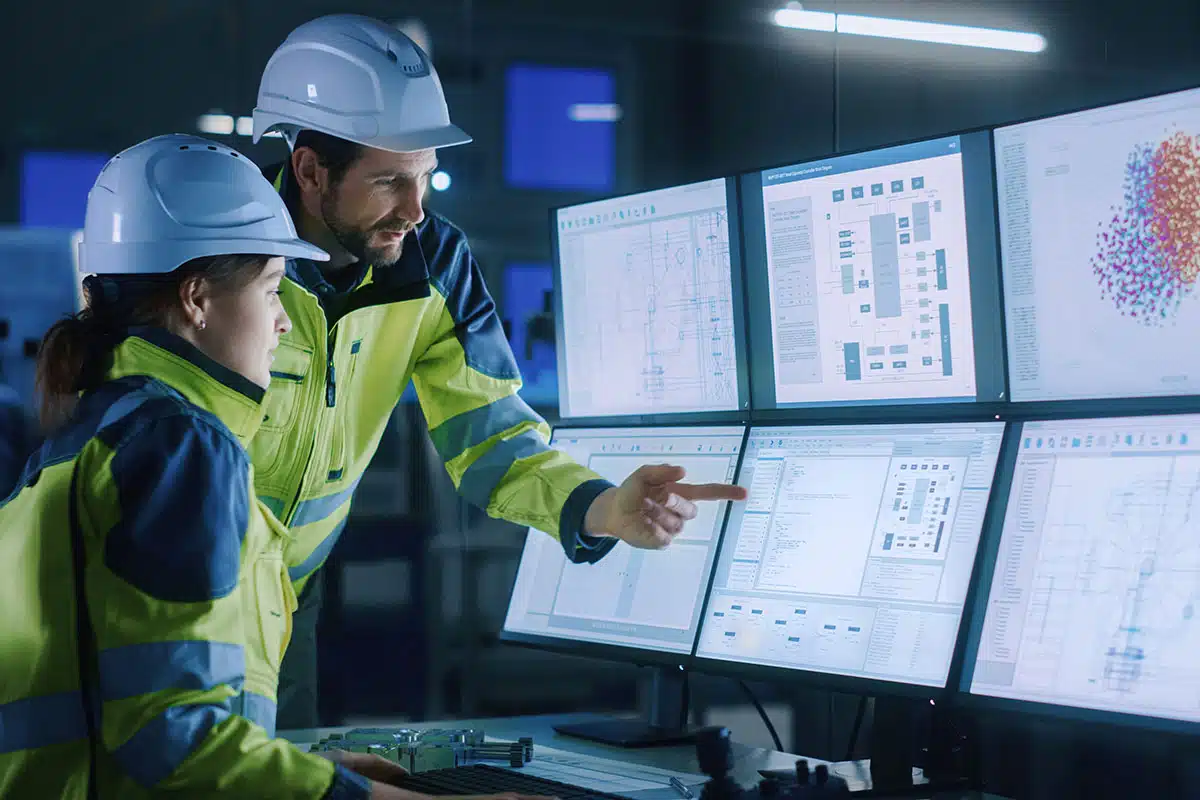
Two facilities engineers, in hardhats and safety jackets, examine a series of computer screens displaying multiple readouts.
Building management systems offer users dashboards that provide real-time readings of HVAC, lighting, and other building systems.

The Internet of Things (IoT) consists of devices with sensors, processing ability, software, and other technologies that connect and exchange data with other devices and systems over the internet or other networks. The devices provide information to the BMS. Smart technology utilizing IoT and AI can increase energy efficiency by 30%, resulting in a payback period of fewer than 15 years.

Advanced HVAC Systems

These systems utilize energy-efficient components and intelligent controls to significantly reduce energy consumption. For example, sensors can detect which parts of the building are currently unoccupied and reduce heating and cooling to those areas. Conversely, the system can increase ventilation to areas where there are lots of people. By optimizing heating, ventilation, and cooling, these systems ensure that energy is used only when needed.

Smart Lighting

Smart lighting saves money by optimizing the use of natural light and turning off lights in unoccupied areas. It utilizes IoT sensors and advanced analytics to control light sources, enabling healthy illumination that varies according to individual preferences, occupancy, availability of daylight, and other factors. 

Security Systems

By implementing access control through biometrics, portable cards, and advanced reporting, access control systems allow facility managers to properly track everyone who enters or exits the building. These advanced systems record the time of entry and departure, and the length of stay, ensuring that all those coming in and out of a building—or section of a building—are authorized to do so.

Benefits of Smart Buildings

While the biggest driver behind the rise of smart buildings is a desire for greater energy efficiency, there are numerous other benefits. These include improving the tenant and visitor experience, providing safer workplaces, and streamlining and optimizing maintenance.

Energy Efficiency

The biggest bang for the buck offered by smart buildings is saving money on heating and air conditioning. In traditional buildings, HVAC systems account for about 40% of total energy consumption. The U.S. Department of Energy reports that simply by adjusting temperatures as needed, a smart HVAC system can lower a building’s energy consumption by 5% to 35%, producing significant financial savings. And companies have indeed found this to be the case: Within 30 days of implementing a building automation system at one of its campuses, Microsoft realized $240,000 in energy savings.

Smart HVAC systems proactively manage energy consumption, reducing unnecessary cooling and heating and therefore significantly lowering energy costs. This intelligent approach not only enhances the efficiency of the system but also extends the lifespan of the HVAC equipment by preventing overuse.

Lighting uses the second-highest amount of energy in a commercial building, accounting for 15% to 20% of energy consumption. By utilizing sensors, the BMS can automatically adjust the amount of lighting in a room based on how much sunlight is available. And like a parent telling a kid to turn out the lights when leaving a room, the system automatically dims or shuts off the lights when a room is unoccupied.

Improved Occupant Comfort

Besides cost savings, a key benefit of smart buildings is enhanced occupant comfort and productivity. As companies work to meet return-to-office (RTO) goals, it’s become important to make places of work as pleasant as possible for staff when they’re onsite, so that the time they spend in the office is a positive experience.

Smart buildings make that possible because the building’s systems can adapt to individual preferences, providing customized lighting, temperature, and other settings for a personalized work environment. Smart building technology also allows desk space and meeting rooms to be booked efficiently, so that office space is maximized, and companies can realize operational savings from their hybrid work schedules.

Operational Efficiency

While HVAC and lighting savings are the best-known advantages of smart buildings, the fact that all systems can be monitored in real time results in additional operational efficiencies that can be significant money-savers. For example, Microsoft found that before the adoption of smart building technologies, their engineers were spending 80% of their time resolving acute management issues, and just 20% in their true capacity as engineers. That changed after the implementation of new monitoring and remote-control technologies—subsequent analysis showed that 48% of the issues identified could be resolved within 60 seconds, a major saving of staff time.

Safety and Security

Having a security guard and a surveillance camera at a building’s main entrance is no longer enough. Today, building security measures include automated visitor check-ins and access control, motion sensors, smart locks, cameras with live monitoring, and AI facial recognition. Building managers can also receive real-time updates on the status of fire alarms, suppression systems, and emergency lighting, enabling swift responses when needed. Cybersecurity protections have also become more common, as the increased connectivity of the IoT has made buildings more vulnerable to attack.

Maintenance Optimization

An important benefit of IoT is that it makes predictive maintenance possible. This prevents malfunctions, keeps small issues from becoming big problems, and significantly reduces the cost of managing real estate assets—while improving the tenant experience. A 2017 study found that predictive maintenance reduced downtime by 35%, unplanned outages by 70%, and costs by 25%. This innovative data-driven approach can transform the upkeep of buildings.

Smart building technology also makes it easier to fix problems as they occur. For instance, if a leak is detected or an HVAC unit has been running for an abnormal amount of time, management is notified, and maintenance personnel can be dispatched quickly to take corrective measures before problems escalate. This proactive approach minimizes downtime and reduces the need for reactive repairs, which can lead to exponentially higher costs.

Moreover, smart building solutions facilitate remote monitoring and control, which gives maintenance teams the ability to manage and troubleshoot systems from a centralized location. Through web-based platforms or mobile applications, technicians can diagnose problems, adjust device settings, and perform routine maintenance tasks without the need to be onsite. Not only does this remote accessibility save time, resources, and labor costs, it also enables teams to respond quickly to emergencies and ensures minimal disruption to building occupants.

As technology continues to advance, the role of smart building solutions in optimizing efficiency for onsite maintenance teams will only grow. By leveraging real-time monitoring, remote diagnostics, and data-driven decision-making, owners can ensure their buildings are operating at peak performance.

The Future of Smart Buildings

Of course, smart building design is evolving along with the technology that drives it. As more devices become connected, and AI capabilities improve, smart building architecture will offer even more innovative solutions for sustainable, efficient, and comfortable working spaces. For example, keycards could be replaced with apps on smartphones and smartwatches or by biometrics. Other key technologies that will shape the office building of the future could include:

IoT-Connected Heat Pumps

These systems can both cool and heat buildings, moving around liquid refrigerants to remove or add heat in a process that can reduce energy consumption by 50% compared to standard heating and cooling systems. Coupled with IoT sensors, these high-tech pumps also enable customized temperature control, allowing rooms to be heated or cooled on demand.

IoT sensors can further improve efficiency by leveraging AI models that actively predict where and when heating or cooling is needed, based on historical trends. AI offers the opportunity to turn HVAC systems from a reactive technology into a proactive one, reducing equipment upkeep.

A graphic that uses icons to represent building systems connected by smart technology, superimposed over a photo of high-rise buildings
Smart buildings leverage AI, IoT, and other technologies to monitor and control critical building systems.

Virtual Power Plants

Heat pumps with IoT sensors, coupled with local energy-generating resources like rooftop solar panels and battery storage systems, could supply electricity back to the power grid during periods of peak demand. As a result, buildings themselves can act as “virtual power plants,” generating revenue by capitalizing on control of energy usage.

Smart Glass

Soon, more than a quarter of heating and cooling for buildings may go out the window—literally. Smart glass makes this possible by changing the level of tint, or how much light can pass through a window. There are two methods for doing so.

Active smart glass uses a film placed on top of the window to react to the presence of electrical voltage. This enables the glass to change the polarization of the film, resulting in the blocking of more or less sunlight. The glass is hooked up to a power source and can be switched on or off as well as dimmed.

Passive smart glass has a film that reacts to heat or UV/visible light to change polarization. This technology, which is also used for transition lenses, has the benefit of not requiring an external power source. And soon, more advanced smart windows could generate electricity while delivering 30% more energy savings than the smart windows now on the market.

AI-Assisted Occupancy and Security Tech

Advances in AI and computing power have improved security by better detecting and classifying images. Known as computer vision, this technology identifies and analyzes visual data the same way humans do, and can be paired with conventional security technologies, such as metal detectors and thermal screening, to help security personnel identify objects faster.

Digital Twins

A digital twin is a virtual representation of a real object or set of objects, constructed with real-world data collected from IoT sensors. After an initial model is created, digital twins undergo simulations to provide performance feedback under various scenarios without having to test the actual system that’s being modeled.

For example, a manager overseeing an office building’s HVAC system may want to know how much energy savings they’ll see by upgrading to a new heat pump. Using data from IoT sensors that measure temperature and humidity, as well as energy consumption data for the current HVAC system, the building manager can construct a digital twin and run heat pump simulations that compare the current and potential HVAC systems, and so determine if it’s worth the cost to upgrade.

Will these advances all come to pass? Only time will tell. But one thing is clear: Smart buildings are poised to revolutionize how we live and work.

Optimizing Smart Buildings

PRIDE Industries has over 35 years of experience in facilities management, energy systems maintenance, engineering services, and preventive and predictive maintenance. We can help you optimize your facility’s systems to lower both energy and maintenance costs. Contact us today to see what our award-winning facilities management services can do for you.

Hippocrates, famous for the Hippocratic Oath, urged doctors “namely to do good or to do no harm.” This admonition—routinely paraphrased as “first do no harm”—is also a good adage for medical device manufacturers to keep in mind, as the practice of medicine relies more than ever on the devices they make. But while most medical device manufacturers are careful to ensure that their products are safe and reliable, they don’t always give medical device packaging the same careful attention.

That oversight can have serious, even fatal, consequences.

7 Common Mistakes in Medical Device Packaging

There are two main purposes for medical device packaging: protecting a product so that it arrives intact and in good working order, and maintaining a sterile environment. Contamination is an especially urgent concern. According to the U.S. National Library of Medicine, viral and bacterial infections are among the ten leading causes of morbidity and mortality in the United States.

One way to prevent contamination—and the subsequent recall—of medical devices is with reliable, high-performance packaging. According to the U.S. Food and Drug Administration (FDA), packaging and labeling issues account for 13% of all medical device recalls, which is why some experts assert that medical device packaging is nearly as important as the device itself.

According to the U.S. Food and Drug Administration (FDA), packaging and labeling issues account for 13% of all medical device recalls, which is why some experts assert that medical device packaging is nearly as important as the device itself.

Now more than ever, healthcare organizations are working hard to reduce the number of hospital-acquired infections. And to help their customers achieve these goals, savvy medical device manufacturers have learned how to avoid the seven most common packaging pitfalls.

Mistake #1: Losing Sterile Integrity

Ensuring the sterility of medical devices is critical for reducing infection, yet it is the most common defect found in medical device packaging. Unfortunately, some medical device manufacturers fail to create a truly sterile barrier system (SBS) in which to encase their products for transport. This means that in some cases, when their products arrive at the point of use, they fail to meet the aseptic standards required by FDA and International Organization for Standardization (ISO) regulations.

While nonsterile packaging can be the result of contamination at the packaging site, often the issue is more fundamental—the design of the packaging itself. It’s important to keep in mind that packaging can only be made sterile on the inside. A package’s exterior will always arrive at its destination in a nonsterile state. This means it’s essential to design packaging that can be opened without introducing contamination.

So, how can you design your package to limit contamination? The National Library of Medicine found that pouches that had outward-curling seals had significantly lower contamination rates. In other words, if the exterior of a package curled away from the interior as the package was opened, it was far less likely that the outside of the package (the nonsterile surface) would come in contact with the interior’s sterile contents.

Mistake #2: Not Accounting for the Device’s Entire Journey

A sterile barrier system is only useful if it stays intact for its entire journey, which is why your package design must include protective material to shield the SBS from the time of assembly to the point of use. Many sterile packages are damaged due to pinholes, slits, cuts, and tears. To avoid these outcomes, wise manufacturers design an entire packaging system that protects the device—and its SBS—throughout the journey from factory to hospital. This means designing resilient packaging that can withstand exposure to road vibration during long hours of transportation. Packaging must also be strong enough to survive warehouse mishaps like a fall to the ground.

Mistake #3: Ignoring Best Practices for Medical Device Packaging

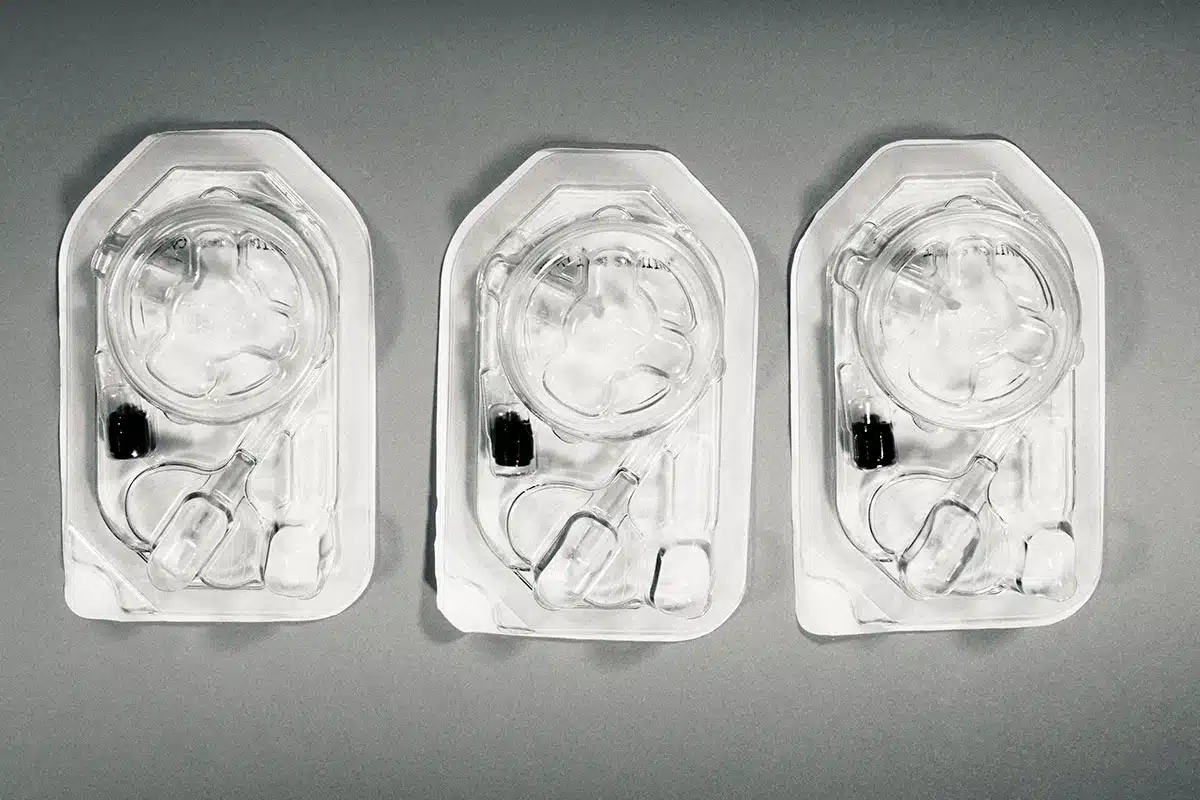
A medical device wrapped in a sterile pouch, part of a sterile barrier system
To keep your product free of contaminants, avoid folding, wrinkling, or creasing the sterile pouch.

Whether you’re shipping something as simple as a box of bandages or as complex and delicate as a tracheotome, your packaging is critical. Both the United States and Europe have stringent regulations for medical device packaging. Yet not all manufacturers adhere to best practices and regulations when it comes to certain aspects of their product packaging.

Some manufacturers, for example, fail to get their medical device packaging properly validated. It’s true that validation is an extensive and at times complex process. But the regulations serve a purpose. Rigorously testing your proposed packaging will ensure that it provides an effective barrier against microbial ingress, moisture, and environmental contaminants. Furthermore, a good validation process does more than ensure your packaging meets regulatory requirements. It also guarantees that your device gets to your customer in sterile condition, able to perform as advertised right out of the box. This preserves your brand reputation, and eliminates liability headaches as well.

Of course, your efforts to comply with FDA and ISO regulations can be negated if your product is contaminated by a vendor. So, if you’re working with third-party contractors, be sure to screen them carefully to ensure they’re also adhering to best practices for medical device packaging and shipping.

Mistake #4: Using the Wrong Packaging Material

Many medical devices are packaged using thermoform trays—plastic trays that are made by heating plastic sheets and molding them into the desired tray shape. But there is a wide range of plastic available for this purpose, and choosing the wrong one can lead to packaging failure. For example, if you’re packaging a medical device with a lot of mass, you might need a high-impact plastic such as polycarbonate to reduce fracturing during distribution and handling.

The design of the thermoform tray is also critical. The tray or case must be tight enough to hold the medical device firmly in place. Otherwise, a loose product could jettison through the tray lid and fracture the plastic casing from the inside out. Conversely, packaging must have a bit of give, so that it doesn’t damage sensitive sensors or other high-tech components. A good package design strikes the right balance between these two extremes.

Mistake #5: Using the Wrong Container

In addition to using the right packaging material, you need to choose the right size and strength for your exterior shipping box. For example, if you are using an outer carton to protect your sterile pouch, you need to avoid squeezing the pouch into a too-small carton. You should choose a container that avoids any folding, wrinkling, or creasing of the ends of your sterile pouch. Otherwise, the vibrations of a moving truck could lead to pinholes at the junctures of the creases or folds of the pouch. Complex pouch folds are even more problematic, as they form a concentrated point of stress at the juncture of the materials.

When it comes to the sterile pouches themselves, however, bigger isn’t always better. Some research has found that increased contamination rates are associated with larger pouches versus smaller ones. Unfortunately, the reason for this is not entirely clear. One theory is that larger pouches require more hands-on repositioning to open, and that this increased handling offers more opportunities for contamination.

Product trays should hug—not squeeze—the items they were molded to protect.

Mistake #6: Inadequate Testing

Just as it’s important to test and inspect your product, you need to test the effectiveness of your packaging material—and package design—to ensure that the SBS and the outer carton will protect the device as it travels from assembly to customer to storage.

Testing might reveal, for example, that a single sterile barrier is not sufficient to maintain a sterile environment for a product that might sit in a hospital storeroom for up to a year; instead, a double barrier is needed. Real-time aging testing like this will enable you to see how your medical device packaging holds up under storage conditions in which both temperature and humidity can fluctuate widely, especially over an extended period of time.

But what if you’re trying to beat a competitor to market? Or more importantly, get a life-saving medical device to patients as quickly as possible? That’s where testing via accelerated aging—elevating temperatures to artificially speed up the aging process—can be useful. For example, subjecting a sterile barrier system to 40 days of +55°C temperatures has roughly the same effect as storing the SBS at +23°C for a year. That’s a huge time savings.

There is a caveat, however. Using temperatures that are too high—in the hopes of cutting a few more days off the testing process—can cause a package to melt or warp in a way it never would under real-world conditions, negating the purpose of the test. So, exercise caution when applying accelerated aging techniques. Or work with a laboratory that specializes in testing via accelerated aging.

Mistake #7: Neglecting to Develop a Recall Protocol

In addition to protocols for testing, manufacturers should develop specific protocols in case the need for a recall arises. Such a protocol might involve plans for recall initiation, reporting, execution, and monitoring. Recall protocols are especially important right now, as medical device recalls are on the rise. Between 2012 and 2022, recalls increased by 125%. (And medical device adverse event reports increased by over 500%.)

Having protocols in place means you’ll be better prepared to initiate a voluntary recall, which will do less damage to your business reputation than a forced recall. That was the case for medical manufacturer Nurse Assist, LLC. In November 2023, the company issued a voluntary recall on its saline and other water-based products over concerns of compromised sterility. These included various bottles, spray cans, cups, and syringes. When the recall was initially released in November 2023, no adverse effects had been reported. And while the FDA has since received reports of adverse events, Nurse Assist’s prompt, voluntary action has enabled the company to mute the damage to its brand.

Diligence is Needed in Medical Device Packaging

As healthcare providers continue to prioritize infection reduction, and medical device recalls continue to rise, designing and deploying effective medical device packaging is more important than ever. Avoiding the seven pitfalls outlined here is the first step in making sure that your packaging performs in a way that increases patient safety—and enhances your company’s reputation.

A Packaging Partner You Can Rely On

Are you looking for a medical device manufacturing and logistics partner you can count on? At PRIDE Industries, our trained engineers can customize a turnkey manufacturing solution for your unique product. And our specialized knowledge doesn’t stop there. We’re also experts in medical device packaging, warehousing, and shipping. Discover what PRIDE Industries can do for you.

Does ADA compliance strike fear in your heart? It shouldn’t. In fact, ADA compliance can be a business accelerator. Why? Because accessibility—digital, technical, and physical—benefits everyone: businesses, employees of all abilities, and customers. And, contrary to myth, most workplace accommodations cost little to nothing.

What’s more, employment partners that specialize in employment for people with disabilities can facilitate accommodation implementation at your business while providing access to a stellar workforce.

So, without further ado, here are eight reasons why ADA compliance is a business advantage:

Wider Access to Talent

Skilled employees come in all shapes, sizes, genders, and hues, and they also come equipped with a variety of abilities and disabilities. Given that over 10 percent of the working-age population has a disability, that’s a large—and largely untapped—potential workforce. And not just any workforce. In poll after poll, employers report that employees with disabilities are eager, skilled, and dedicated.  ADA compliance could be the difference between an under-qualified applicant who can climb stairs and the expert who happens to use a wheelchair.

Better Employee Retention

Employee turnover continues to plague businesses, especially in the service industries. And, according to a 2024 report, U.S hiring managers expect it to increase. Meanwhile, the Bureau of Labor Statistics found businesses that include and accommodate people with disabilities reported a 90 percent increase in employee retention. When this statistic is compared with the per-year cost of turnover—over $1 trillion, nationally—ADA compliance just makes sense.

Broader Customer Appeal

According to the CDC, up to 27 percent of the entire U.S. population lives with a disability, already wielding substantial purchasing power.  As the baby boomer generation incurs the disabilities that can come with age, this customer base will grow along with the demand for accessible spaces and technologies. At some point in their lives, nearly everyone—the person recovering from a broken leg to the parent pushing a stroller—will need nontraditional access to places of business. ADA compliance, including ramps or automatic doors, could attract and retain these customers—who may otherwise take their business elsewhere.

Enhancing Brand Reputation

In today’s socially conscious world, consumers and clients are increasingly favoring businesses that demonstrate social responsibility and ethical practices. In fact, a 2020 report by the Capgemini Research Institute found 62 percent of consumers favoring companies that demonstrate ethical values. ADA compliance is a strong indicator of a company’s commitment to social responsibility. By ensuring that their facilities and services are accessible, businesses can enhance their brand reputation, build trust with their customers, and attract top talent who want to be associated with a forward-thinking company.

Tax Incentives

Making the above benefits even more attainable for some companies, a federal tax credit is available to small businesses that incorporate ADA-related “eligible access expenditures.” These expenses may include technological and architectural accommodations, such as the provision of screen readers and other adaptive equipment, sign language interpreters, adaptations to existing facilities, and consulting fees. Tax incentives are also available to businesses that employ people with disabilities. The Work Opportunity Tax Credit, for example, can offset up to 40 percent of an employee’s paid wage.

Increased Employee Engagement

“Engagement scores are consistently higher for companies labeled ‘inclusive’,” reports Harvard Business Review. Among the reasons for this, HBR cites that inclusive companies are three times better at coaching employees for improved performance. Accommodations foster a more inclusive, engaged workforce, too. Employment partner agencies that feature workgroup models underscore this finding. These groups, comprised of a employment coach and a small group of employees with disabilities, leverage both on-the-job coaching and the employee engagement that comes with being part of a team. The results are well-trained employees who look forward to coming to work and satisfied employers.

Higher Profits

According to McKinsey’s “Diversity Wins” report, organizations in the top quartile for cultural diversity are 36 percent more profitable than those in the bottom quartile. When a company’s diversity initiatives include employing people with disabilities, profits rise even more. A groundbreaking report by analyst firm Accenture found that such companies see two times more economic profit than their competitors. As disability employment inclusion becomes increasingly normalized, ADA compliance isn’t just the right thing to do—it’s an essential business strategy.

Increased Innovation

In today’s fast-changing business landscape, innovation is more vital to the workplace than ever. McKinsey found that organizational innovation “can generate economic profit that is 2.4 times higher than that of other players.” According to Accenture, businesses that employ and accommodate people with disabilities are more innovative—which should be no surprise. From typing, texting, and voice-recognition to curb cuts and automatic doors, some of our greatest inventions were created by or for people with disabilities.

Employment Partners Make ADA Compliance Easy

If you’re looking for talented, dedicated, enthusiastic employees but are hesitant about directly hiring people with disabilities due to ADA compliance or other concerns, an employment partner like PRIDE Industries can help. Our Workforce Inclusion team helps hundreds of companies recruit, hire, train, and accommodate employees with disabilities at their businesses. We make it easy to access this stellar workforce and enjoy the business and social benefits that come with it.

Let Us Help You Build an Inclusive Labor Force

Inclusive workforces, including those that employ people with disabilities, boast 35 percent greater productivity. PRIDE Industries has helped hundreds of companies to make their teams more inclusive, helping recruit, hire, train, and support this reliable talent pipeline—free of charge to employers.