Our Stories

As a military veteran and recruiter at PRIDE Industries, Elijah Harris is dedicated to veteran readiness and employment for fellow veterans and people with disabilities. But the journey that brought him here was not a straight path—an experience that many veterans can relate to.

“I just wanted a chance to prove myself and help others who’ve walked the same road I have. I know what it’s like to feel lost after leaving the military, and I want to be the person who helps others find their way.”

Service Shapes Purpose

Inspired by his older brother, who served in the Navy, Elijah felt a calling to enlist.

“At first, I wanted to go into the Navy with him, but I decided to join the Army instead. I wanted to leave California and see a different part of the world.”

In January 2015, Elijah began his service as a 92 Yankee Unit Supply Specialist at Joint Base Lewis-McChord, serving in the 1-14 Cavalry, First Brigade, Second Infantry Division until 2018. His role involved managing military equipment worth thousands of dollars, an experience that built discipline and leadership, and laid the foundation for Elijah’s future in veteran readiness and employment.

“Some think that because you have a disability, you can’t do the job. But at PRIDE Industries, we know that’s not true. Veterans bring leadership, resilience, respect, and integrity to the workplace”

From GI Bill to Career in Veteran Readiness and Employment

When Elijah left the service, he knew he wanted to help others. But like many veterans, he faced unexpected challenges.

“When I got out, I wanted to go straight into work. But resume building and interviewing were not skills the military or high school taught me,” Elijah shared. “I also didn’t know how to translate the skills I learned in the Army into skills for the civilian workforce.”

Elijah decided to use the GI Bill to go to college after his service. After earning his degree in history from Sonoma State University, Elijah began working as the African American and Veteran Outreach Recruitment Counselor for the university. This role allowed him to connect with other veterans, and fueled his interest in veteran readiness and employment.

“As a recruiter for Sonoma State, I grew this passion to help veterans because I knew where I was when I got out of the military. I knew how lost I was. I didn’t know what I wanted to do, and I felt like I was just running around like a chicken with its head cut off.”

Veteran Readiness and Employment at PRIDE Industries

It was his passion for helping other veterans that led Elijah to PRIDE Industries, which he discovered through LinkedIn.

“I looked up what the mission statement was and immediately said yes,” he said. “Seeing their dedication for veterans and people with disabilities, I thought, ‘Wow, maybe I should think about applying.’”

Alongside hundreds of other veterans seeking employment, Elijah attended PRIDE Industries’ annual Hire A Veteran Day event.

“I went to the event and immediately got an interview,” Elijah said. “I then met the whole team there. I knew right away that PRIDE Industries was different.”

Elijah was hired as a recruiter for a contract made possible by AbilityOne, a program that provides employment for people with disabilities on federal government projects. Based at PRIDE Industries Career Hub in Citrus Heights, this role was a great fit for Elijah, allowing him to combine his military experience, education, and passion for veteran readiness and employment.

“Some companies say they want to hire veterans, but they don’t always live up to that promise. I applied to many jobs and got many turndowns.”

Elijah now helps other veterans navigate these same challenges, enabling them to realize their full potential.

“It just takes one person to talk to you and say, ‘Hey, this is the right way to go.’ I wanted to be that person for others.”

Elijah’s Message to Veterans and Employers

Elijah has a message for any military veterans struggling to find work.

“Seek out resources, attend stand-down events, and connect with veteran-friendly hiring organizations like PRIDE Industries.”

Attending PRIDE Industries’ Hire A Veteran Day event last year was a turning point in Elijah’s career. This year, he was back at the event, helping other veterans navigate the hiring process in his role as a recruiter.

“It was surreal to be on the other side, knowing I could make a difference in a veteran’s life. Employment is so important, especially with the cost of living rising. To be an advocate and help others get jobs brings me a lot of pride,” Elijah said.

For recruiters and employers, his advice is clear.

“Do your research on veterans and people with disabilities. These people have sacrificed so much. Take the time to understand their experiences and skills.”

He also speaks candidly about the misconceptions that often hold employers back.

“Some think that because you have a disability, you can’t do the job. But at PRIDE Industries, we know that’s not true. Veterans bring leadership, resilience, respect, and integrity to the workplace.”

An Employment Partner You Can Rely On

Whether you’re a veteran seeking career growth or an employer ready to tap into the veteran workforce, PRIDE Industries is here to help. Contact us today to learn more.

Energy usage in the U.S. continues to rise, driven by new technologies like electric vehicles and giant, AI-centric data centers. The nation’s electric grids are straining to keep up, and as a result, energy costs are climbing rapidly. In this environment, what can facilities operators do to keep the lights on and energy costs affordable? For many facilities, the answer is a microgrid.

What Is a Microgrid?

A microgrid is a self-contained system of energy generation and storage that can provide much of the power a facility needs for normal use. Depending on the microgrid, it can also provide all the power needed to keep a facility operational in the event of a systemwide failure of the public utility grid.

The U.S. Department of Energy defines a microgrid as ‘‘a group of interconnected loads and distributed energy resources within clearly defined electrical boundaries that acts as a single controllable entity with respect to the grid.’’

A 30-minute power outage can cost a medium or large business more than $15,000. Reliable microgrids keep facilities running when the public energy grid fails.

In plain English, microgrids are small-scale power grids that operate independently to generate electricity for a localized area, such as a manufacturing facility, university campus, hospital complex, or military base. They usually consist of several types of distributed energy sources—such as solar panels, wind turbines, fuel cells, and diesel or natural gas generators—coupled with an energy storage system. Normally, microgrids are connected to the main utility grid, but they can also be disconnected and operate in “island mode,” meaning they function autonomously to deliver power on their own.

Benefits of a Microgrid for Facilities Management

Facilities that absolutely must maintain power, such as hospitals, have been among the early adopters of microgrid technology. But as costs for key components like solar panels and storage batteries have come down, other types of facilities are investing in microgrids as well. Microgrid Knowledge lists eight ways that facilities benefit from having an independent energy system:

  • Reliability – A microgrid can ensure your facility has power even when disasters hit. Superstorm Sandy, for example, knocked out power to 8 million customers when it hit the East Coast in 2021. Some outages lasted more than two weeks. Facilities that had their own microgrid were able to disconnect from the public grid and (in some cases) continue operations until power was restored.
  • Resilience – Even in cases where a microgrid is insufficient to fully power operations, it can be used to maintain vital functions during a natural disaster, allowing the facility to resume normal operations more quickly when the main grid is restored.
  • Lower energy costs – Energy generated onsite, from solar panels or other technologies, can be used instead of higher-priced power from a public utility. Advanced microgrid controllers can adjust the balance of power sources as energy prices rise and fall during the day—using more internally generated power when prices rise and shifting back to utility power when rates drop.
  • Clean energy – Microgrids often utilize green power sources such as solar, wind, and fuel cells, helping companies reach their sustainability goals.
  • Utility grid backup – A microgrid can act as an additional resource that public grid operators can call upon during peak-demand periods. This not only helps the local community but also generates revenue for the facility that owns the microgrid.
  • Cybersecurity – National security experts have expressed concern that a hostile cyberattack against a U.S. public utility could cause widespread power outages. The growing use of microgrids is decentralizing the energy infrastructure in the U.S., making it easier to guard against these threats.
  • Uninterrupted productivity – The cost of power outages to the U.S. economy ranges from $25 billion to $70 billion annually. Just a 30-minute outage can cost a medium or large business more than $15,000. Reliable microgrids keep production lines running during a power outage.
  • Community well-being – In the event of a power outage, the facility served by a microgrid becomes an island of energy. For example, during Superstorm Sandy, Princeton University’s microgrid kept the power on while most of New Jersey was dark and chilly. First responders were able to use university facilities to get warm and share a pot of coffee.

Potential Cost Savings

While there are upfront costs (see below), microgrids provide significant cost savings over time:

  • Pittsburgh International Airport’s switch to a solar and natural gas microgrid led to a reported $1 million in savings during its first year of use.
  • A California winery built a microgrid based on solar technology and reduced its monthly energy bills from $15,000 to $1,000.
  • A cold storage facility in California is projected to achieve more than $43 million in lifetime savings. 
  • A food service logistics provider in Southern California is installing a microgrid that is projected to save over $192,000 a year by optimizing low-cost solar and battery storage.
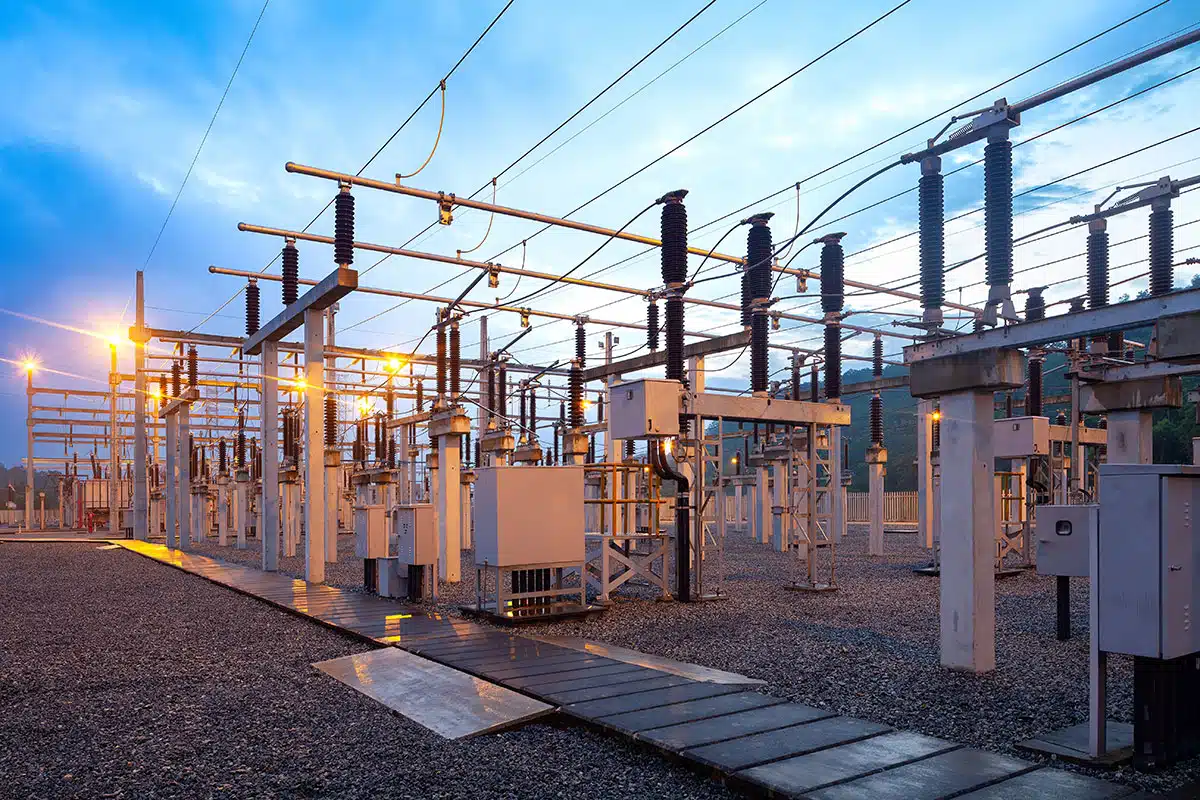
A close-up of an electrical substation, with multiple transmission lines
The nation’s electrical grids are straining to keep up with rapidly increasing demand.

Savings like this occur through several mechanisms:

Solar savings

Solar panels deliver energy at a much lower cost than traditional utility grids. Over the past decade, costs associated with solar panels have fallen by 90%, and battery costs have dropped by more than 90% as well.

Load shifting

Microgrids equipped with battery storage enable facilities to shift their energy use to take advantage of time-of-day pricing. They can charge batteries during cheaper off-peak hours and then draw on that stored electricity during expensive peak hours.

Reduced demand charges

Utilities typically charge commercial and industrial customers based on the highest level of energy consumed in a given period of time (often just a 15- or 30-minute interval) during the billing cycle. These charges can account for as much of half of a facility’s electric bill. Microgrid controls can optimize battery use to reduce the amount of power that needs to be drawn from the utility at any given time, reducing peak utilization.

Demand response

Demand response programs offer savings to facilities that reduce power usage during high-demand periods. By enabling facilities to draw less energy from the public grid during these periods, microgrids allow organizations to take advantage of these cost-saving programs.

Selling power

A microgrid can be designed and built to generate and store more electricity than a facility needs. This gives microgrid owners the option of selling excess energy to the local public utility, creating a new revenue stream.  

Lower insurance costs

Improved property resilience—the ability of a property to adapt to and withstand external disturbances—can sometimes lead to lower insurance premiums. And during an era in which insurers are reassessing their coverage due to the increased frequency of natural disasters, companies that can show greater infrastructure resilience also increase the likelihood of remaining insured.

Installation Costs

There are two primary ways to acquire a microgrid. One option is to purchase equipment and build and manage the microgrid in-house. This may require a significant capital investment up front, but can make good economic sense in the long run. Or, organizations can avoid the capital expenditure by leasing equipment from an energy-as-a-service (EaaS) firm. EaaS firms own the equipment, and handle both installation and maintenance, making them a good option for companies that want energy independence but lack the capital needed for their own microgrid.

Long term, companies will reap the most benefit by owning their own microgrid. But before taking that step, keep the following capital investments and other costs in mind.

Several long rows of solar panels, situated in a meadow, on a sunny day
The cost of commercial solar panels has fallen by 90% in the past decade.

Equipment and Installation

About 75% of the upfront cost of a microgrid typically goes towards equipment and installation. These include:

  • Generators – Natural gas generators cost about $700 to $1,000 per kilowatt. Diesel generators may cost more.
  • Energy storage – Battery storage systems run between $300 and $400 per kilowatt hour of discharge capacity.
  • Renewable energy – Prices for energy sources such as solar panels vary based on capacity and technology.
  • Control systems – Controllers, the “brain” of the microgrid system, can range from $50,000 to $90,000, depending on how many sensors, assets, or site-specific solutions you need to control.

Construction

Construction oversight and project management account for about 15% of upfront costs, including labor, site preparation, and logistical expenses. Geographic and climate challenges can drive these costs higher.

Design and engineering

Costs including surveying and analyzing the electrical system, creating plans, and ensuring regulatory compliance make up roughly 10% of upfront costs.

Permits and regulations

The cost of obtaining the necessary government approvals varies by jurisdiction, and can be significant. In addition, any delays in obtaining the needed permits may drive up overall expenses.

Maintenance Costs

As with any system, regular maintenance is essential. Costs will vary based on the microgrid’s size and complexity and the technologies used. For example, coastal locations may experience corrosion, while desert locations can expect increased dust accumulation on solar panels.

Equipment should be regularly inspected, cleaned, and serviced as needed. Solar panels require periodic cleaning, and inverters need to be replaced on a regular basis. Wind turbines require regular inspection of blades and gearboxes, and frequent lubrication of moving parts. Generators need periodic servicing and fuel management. Batteries for energy storage have relatively short life expectancies and may need to be replaced frequently, while control systems require software updates and cybersecurity protection.

Much of this maintenance work requires specialized equipment and personnel. Fortunately, microgrid controllers can utilize predictive and prescriptive analysis to identify items that need maintenance before breakdowns, saving money and preventing major problems.

When Does It Make Sense to Install a Microgrid?

Every facility has different needs when it comes to energy security. If uninterrupted power is critical for your organization’s mission, if the local utility’s power is not always reliable, or if your business is seeking to reduce energy costs and/or its carbon footprint, a microgrid may be the answer. To help you determine if that’s the case, here are five key questions to consider.

  1. What are your strategic goals for the microgrid?
    Are you looking for 100% renewable energy? Maintaining resiliency during outages? Earning income by participating in energy markets? Or perhaps a combination of all these factors?
  1. What are your energy consumption patterns?
    How does your facility use energy? When is peak demand? Does your demand change throughout the day and throughout the seasons?
  1. How will you finance the microgrid?
    Have you explored state or local utility financing and incentives? Does it make sense to buy and operate your microgrid or would it be better to partner with an EaaS firm that would minimize your upfront costs?
  1. How much are you willing to pay for increased resilience?
    How many hours of resilience do you need? Would the microgrid you can afford provide that level of resilience? Long term, how would the hourly energy cost of your microgrid compare to the hourly energy cost of your local utility?
  1. Can you future-proof your microgrid?
    Technology will undoubtedly change during your microgrid’s lifespan. Will it be possible to incorporate new technologies? You may want to use solar today, but perhaps fuel cells or some other system will become standard in 10 years. Can you design your microgrid to allow you to swap energy sources if needed?

Getting answers to these questions will help you make a cost-effective decision, whether that’s building your own microgrid, contracting with an energy-as-a-service provider, or continuing to rely on your local public utility.

An Energy Partner You Can Rely On

If you need to upgrade or maintain your facility’s energy infrastructure, PRIDE Industries can help. We bring decades of expertise in energy systems maintenance, engineering services, and facilities management to every customer we serve. Our comprehensive maintenance programs, combined with solutions-oriented management, enable us to deliver exceptional results for all types of facilities, from commercial and government buildings to medical centers and manufacturing plants.

In 2019, Marc Grundy didn’t imagine that someday he’d be an advocate for jobs for people with autism. In fact, back then, after he’d started and stopped college, he wasn’t sure what he wanted to do with his life. Around that time, Marc’s mother issued an ultimatum: If he wasn’t going to stay in college, he’d have to get a job—not always an easy task for people with autism. That’s when Marc got in contact with PRIDE Industries.

Early Interventions

Marc was diagnosed with autism when he was a toddler, after his parents noticed some behavioral issues.

“I wouldn’t make eye contact with my mother or grandmother,” said Marc. “And I didn’t respond to verbal or emotional signals—tendencies I continue to have.”

Other signs included repetitive behaviors and difficulty communicating. Fortunately, Marc’s mother worked in healthcare, so Marc’s diagnosis—and the early interventions that accompanied it—came sooner than they do for some individuals with autism. But even early interventions and hard work—both on Marc’s part and on his mother’s—didn’t waylay the bullying that was born of societal ignorance.

“As much as possible, employers should be aware of what autism is, so that they can put good policies in place for people with autism who are looking for employment. A big part of that will be accommodations.”

“Once I was in school, I was teased and bullied at times,” said Marc. “I really struggle with expressing emotions. That can make the other person not want to hang out with you or like you. Some people think you’re creepy and will say so.”

As Marc grew older, he came to understand more about his autism. He also realized what he did and did not want to do with his life.
“I started at college,” he said. “But I didn’t like the pace of learning in college.”

Job Preparation and Placement

Around that time, Marc’s mother strongly encouraged him to seek employment. She also recommended PRIDE Industries, the leading provider of employment for people with disabilities, including those with autism. Soon after, in March 2019, Marc was put in touch with a Youth Services Job Developer for PRIDE Industries.

“He really helped me,” said Marc.

The job developer showed Marc how to prepare a resume, apply for jobs, and participate in the interview process.

“He really worked with me on subject matter that involved doing a good interview,” said Marc. “Like what you should say that employers most care about and what you should ask them. Also, what would make them see you as a good candidate.”

Then, in August 2019, Marc acquired a paid internship as an assembler in the manufacturing department of PRIDE Industries.

“It worked well for me because of my passion for building things,” said Marc.

Marc began with simple, entry-level tasks and gradually undertook more complex ones that made use of his eye for detail.

“When I build things, I always tell myself, ‘Quality over speed,’” said Marc. “I pay great attention to detail. I think that’s one of the strengths of the high-functioning autistic mind.”
Marc’s strengths were such that, four months later, he was hired into the position permanently.
And now?

A “Great Employee”

Since joining PRIDE Industries as a full-time employee, Marc has continued to impress his supervisor.

“Marc has been a great employee,” says Production Supervisor Mukesh Kumar. “He has been working in the Medical Business Unit, helping to produce the Game Ready™ units for one of our biggest customers.”

Game Ready™ is a medical device that has been described as “the number one recovery tool used by thousands of professionals, athletes, trainers, surgeons, professional teams, and sports medicine professionals around the world.”

It’s not just Marc’s attention to detail that impresses his co-workers. His soft skills are also on point.

“Marc’s dedication, commitment, and teamwork are commendable,” said Kumar. “His pleasant personality contributes to a positive work environment as well. He’s always here, eager to work and learn new things.”
It’s that desire to learn new things that keeps Marc looking forward.
“Though I’m pretty fine with where I’m at right now,” he says, “I do have a few thoughts on what else I could do, and I think they are things PRIDE Industries could help me pursue.”

Advocating for Jobs for People with Autism

When asked what he wants potential employers to know about hiring people with autism, Marc emphasized awareness.

“As much as possible, employers should be aware of what autism is, so that they can put good policies in place for people with autism who are looking for employment,” said Marc. “A big part of that will be accommodations.”

U.S. businesses must, by law, provide reasonable accommodations for employees with disabilities to enable them to work. That sometimes concerns employers because they think it will be expensive. It is not. The Job Accommodation Network, a disability employment consultancy, surveys employers regularly about the cost of accommodations, and the numbers have been consistent over the years. Most accommodations (56 percent) are free, and the rest cost an average of $300. For autistic employees, creating a sensory-friendly break room or giving people extra time to formulate answers to questions are inexpensive ways to enhance well-being and productivity.

Marc knows what a difference accommodations can make. That’s why a few years ago, he volunteered to be part of the team that helped prepare for the inaugural I AM ABLE Disability Job Fair, which was created by and for people with disabilities. Marc’s expert advice led to the creation of quiet spaces for those job fair participants who communicate better without too much external stimuli. The job fair drew over 600 attendees, which means that dozens of people benefited from Marc’s insights. 

And when it comes to jobs for people with autism, Marc has valuable insights for employers too. Companies seeking to help employees excel at their jobs should keep one thing in mind: “Just make them feel safe.”

Disability Employment Programs

Whether you’re a person with a disability seeking employment, or a company that needs to find reliable employees, we have a program to fit your needs. Click below to find the solution that’s right for you.

At Matsuda’s Nursery in Sacramento, the sun is hot, the work is physical, and the environment is ever-changing. But for Employment Coach Retascha Harrison, who provides supported employment for people with disabilities at the nursery, it is also a place of transformation for the Matsuda’s-based PRIDE Industries employees she supports and for herself.

A Champion for Supported Employment for People with Disabilities

As an Employment Coach, Retascha Harrison plays a vital role in delivering supported employment for people with disabilities, offering encouragement, guidance, and inspiration to those she serves.

“We help them overcome some challenges that they may have,” she explained. “Like any employee, there are days when your attention needs to be refocused, or you need some extra guidance.”

For Retascha, support is about more than job performance. “It’s about taking them out of that funk and reminding them that having this job is helping you create an income for yourself, helping you be more independent, and be able to work within the community and achieve some of those goals that you plan out for your life,” she said.

When asked to describe her approach to job coaching, Retascha talked about the importance of empathy and flexibility.

“Every day doesn’t have to be a good day,” she said. “Everyone has days when they get up on the wrong side of the bed. But what I can do is help them get themselves together…and when they are ready, come over and enjoy the rest of the day with the group.”

And if someone is having a tough day? “Let’s take it out on the weeds,” she said with a smile.

Growth That Goes Both Ways

Retascha’s work is deeply personal and transformative, and Retascha has often shared how much she learns from the individuals she supports. “There are things I probably wouldn’t have done prior to working here. Things that involve dirt and bugs” she said with a laugh. “But these employees have showed me, there isn’t anything to be afraid of.”

Employees like Ashley Wolf, one of the longest-serving PRIDE Industries employees on the Matsuda’s-based work crew.

“She is fearless,” Retascha said. “We have sections in the nursery where there’s lavender. Bees come to lavender a lot. You’ll start to hear a buzzing that can be loud and intimidating, but Ashley will walk through them fearlessly. It’s made me become braver and want to challenge myself more.”

Another PRIDE Industries employee working at Matsuda’s, Dexter Reed, reminds Retascha of the power of purpose. “He knows that coming to work every day creates an income to be able to do what he wants to do in life, which is to take care of not only himself, but his dog, the thing that makes his world go around.”

Retascha’s work as an employment coach helps make career stability and growth possible for her work group. That is something her crew does not take for granted. Sean Elliot, another member of the Matsuda’s-based work crew, expressed the sentiment of many of the PRIDE Industries employees there when he said, “This job has been a game changer for me, and also for my family. I don’t know where I would be if I didn’t have this job.”

two employees working in the field

A Team Effort, Recognized and Respected

The impact of employment coaches like Retascha is central to the success of supported employment for people with disabilities and is felt across Matsuda’s nursery.

“The coaches make the crew what they are,” said Irene Ramirez, Operations Manager at Matsuda’s. “They’re on time, they know what’s needed, they jump in. If something needs doing, they don’t wait, they take care of it. They’ve been doing an amazing job.”

Maricruz Guevara works for Matsuda’s in human resources, also appreciates the coaches. “They are amazing. If we have any issues, we can always reach out to them. They are always great about communicating between us and the PRIDE Industries team.”

Suppported Employment for People with Disabilites Changes Lives

For Retascha, the most rewarding part of her job is witnessing how people change and grow when they have meaningful employment.

“It’s really special to see somebody go from a place of not knowing a lot of things, and then you turn around and they’re a whole different person,” she said. “Just within a year, or even a month, you start to see the little steps they take toward reaching their goals. And it makes me proud to say I was a part of that.”

The employees she supports feel that impact every day.

“My coach is fun,” said Ashley. “She’s really funny and she helps me out lots.”

Sean agreed, saying, “The coaches are excellent at not only giving instructions, but most of all giving great advice. They’re also very understanding and have a great sense of humor. I must say that it’s helpful having them here, and it’s always fun.”

Being part of supported employment for people with disabilities is more than a job; it’s a calling that has shaped Retascha both professionally and personally.

“I don’t just come to work to pull weeds and take care of plants,” Retascha said. “There’s more to it than that. And that makes me feel good about what I’m doing. I take these tools that I’m learning out here and put them into my personal life… and I’m able to be a better person every day because of that.”

Disability Employment Programs

Whether you’re a person with a disability seeking employment, or a company that needs to find reliable employees, we have a program to fit your needs. Click below to find the solution that’s right for you.

This is Part Two of a two-part series on the benefits and best practices of applying AI to manufacturing. This blog outlines how to leverage AI in manufacturing. Read Part One here.

AI is reshaping every stage of the manufacturing process—from design and prototyping to sourcing and assembly. AI in manufacturing can accelerate product launches, enhance quality, improve supply chains, lower costs, and boost customer satisfaction. Embracing AI-driven advancements is critical if electronics manufacturers want to stay relevant in this rapidly evolving sector.

But how do executives transition beyond operational oversight and become strategic AI leaders? Below are nine best practices that will guide you through this important transformation.

Start with a Strategic Assessment/Plan

Through real-time collection and analysis of data, AI systems can provide manufacturers actionable insights, enabling rapid identification and resolution of issues before they escalate.

Before investing in technology, it’s critical to first step back and develop a plan. Identify where AI can deliver the most business value for your company. Are you seeking improvement in quality control? Are you struggling to accurately track your inventory? There are AI solutions available for almost any business process, so it’s important to focus your efforts and financial resources on the initiatives that best align with your company goals. For example, Intel’s strategic planning involves creating production optimization targets, which include minimizing yield loss and shortening time to market. Having a strategic plan allows Intel to prioritize its AI initiatives based on their potential to deliver measurable progress on these key performance indicators (KPIs).

Integrate AI in Manufacturing from the Design Phase

While AI in manufacturing can greatly improve the manufacture of electronics, you’re missing out if you don’t integrate AI from the very beginning, at the design stage. AI tools can be used for simulation, design rule checks, and generative design—a design approach where AI systems optimize design solutions based on your specific manufacturing requirements, constraints, and goals. Generative design can be an essential part of design for manufacturability (DFM), helping a company ensure manufacturability and product performance before making a substantial investment in a new product offering.

Using powerful algorithms, AI systems generate a wide range of design alternatives and help engineers identify the most efficient, cost-effective, and high-performance options. Once a design has been chosen, rapid prototyping can then help engineers efficiently test options while keeping costs under control.

Prioritize Smart Implementation

Before investing in full-scale AI integration, test the technology’s usefulness for your business by running a pilot program on a small, high-impact project. During this pilot project, make sure the AI tools you’ve chosen can deliver the performance you need. One way to ensure quality, for example, is to use AI models that provide clear explanations for their decisions. With transparent data, operators and engineers will more easily understand—and trust—AI-driven recommendations.

A smart implementation will also address cybersecurity and intellectual property protection. This protection has become increasingly difficult as IT teams face the formidable task of protecting proprietary data that’s stored across multiple devices: PCs, tablets, phones, Internet of Things (IoT) devices, the cloud, etc.  Each endpoint—i.e., any device that connects to a computer network—is vulnerable to attack by hackers. In fact, IBM reports that as much as 90% of successful cyberattacks originate at endpoint devices.

So, how can you protect intellectual property and other sensitive data?
  • Regularly update and monitor your systems: Stay on top of security by using intrusion detection and prevention systems (IDPS) to monitor your network.
  • Integrate Strong Access Controls and Segment Your Network: Access to critical systems should always be done with multi-factor authentication and role-based permissions. To prevent possible breaches, segment your information technology (IT) and operational technology (OT).
  • Develop an Incident Response Plan: Despite your best efforts, incidents can happen. Train your employees on best practices, including how to respond and recover in the event of a breach.
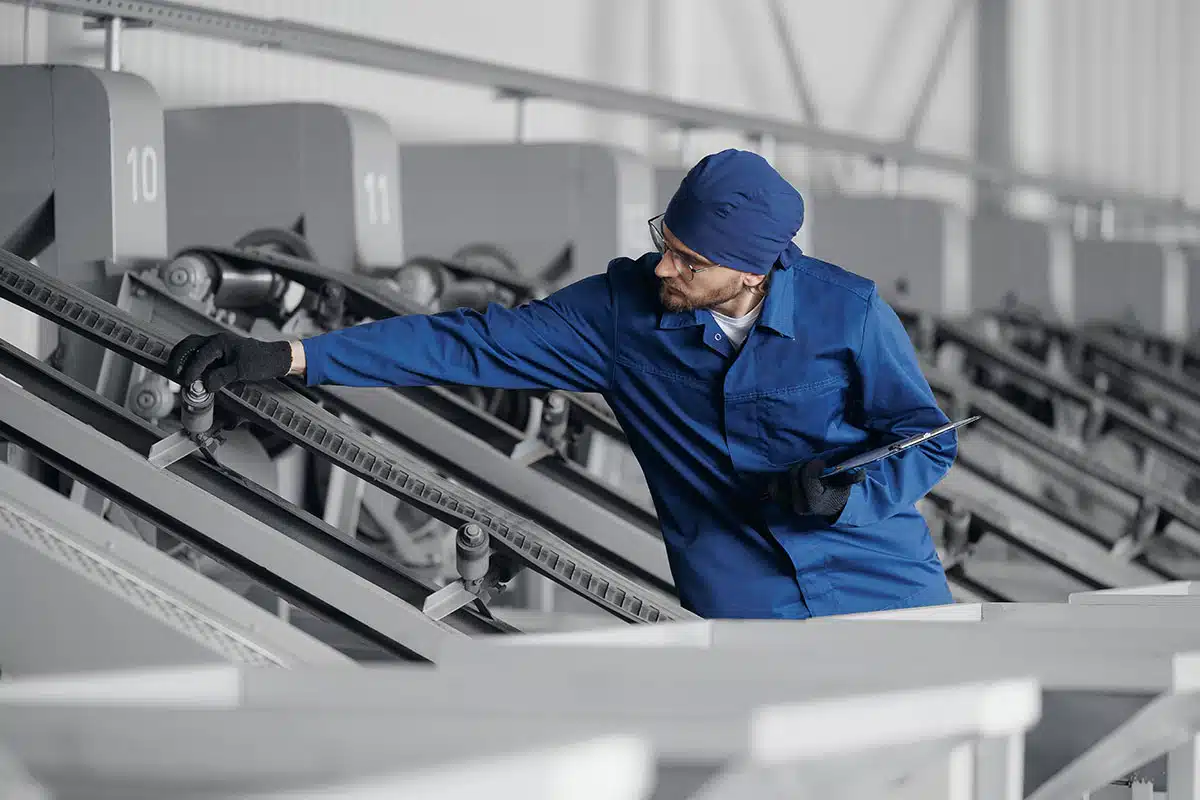
A man in a blue work smock and hair cover inspects a piece of equipment in a high-tech factory.
Before investing in full-scale AI integration, test the technology on a small, high-impact project.

Use AI-Driven Automation on the Factory Floor

AI-driven automation can provide efficiency and cost savings on the factory floor. For example, collaborative robots (cobots) can work alongside humans to assemble, solder, and inspect a PCB board. Furthermore, machine vision can provide real-time quality assurance and process control.

Foxconn, the world’s largest electronics manufacturer, has been experimenting with AI-powered robots. By embracing this innovation, they hope to improve efficiency, enhance product quality, and address labor shortages. Some of Foxconn’s AI-powered robots include advanced humanoid models developed with partners like UBTech Robotics and eBots. Using AI-driven decision-making systems, computer vision, and enhanced dexterity, these robots are able to precisely place tiny chips on a circuit board and perform delicate soldering tasks, among other intricate maneuvers. As an added bonus, the robots use real-time feedback to adapt to new production requirements and minimize human error.

Integrate Humans with Automation

Despite the rapid advance of AI in manufacturing, there are still some tasks that humans do better than existing technology. For this reason, it’s important to train employees to work alongside AI-enhanced automation technologies. And it’s especially important to maintain human oversight for critical operations and decisions, so that humans are ready to intervene when AI outputs are uncertain or require expert judgment.

One best practice is to establish a cross-functional AI steering committee to oversee your AI implementation. Be sure to involve your information technology (IT), operational technology (OT), and data science teams from the very beginning. By encouraging knowledge sharing between domain experts and AI specialists, you can craft specific AI solutions for your manufacturing processes. With a cross-functional team, you’ll be better able to collaborate and proactively address any challenges that arise.

Invest in Predictive Maintenance

For best results, encourage knowledge sharing between domain experts and AI specialists

It’s good to perform regular maintenance at scheduled intervals, regardless of a machine’s condition. But it’s even better to employ AI in manufacturing to receive real-time data from sensors and perform maintenance only when equipment actually needs it. In other words, while preventive maintenance is good, predictive maintenance is even better.

Electronics manufacturers can improve their predictive maintenance by focusing first on critical equipment (the most crucial or failure-prone machines); by collecting and analyzing data in real time; and by turning predictive insights into timely actions and strategies for continuous improvement.

Apple Computer is an example of a manufacturer that has fully embraced predictive maintenance and benefitted from it. Their equipment uses sensors to measure vital operational data like vibration, temperature, and pressure. The data is then analyzed by AI to spot any unusual changes that signal potential problems. Being able to predict when equipment is heading towards failure allows Apple to reduce unexpected downtime, cut repair costs, and keep manufacturing processes running smoothly.

Track the Metrics of AI in Manufacturing

To evaluate how AI in manufacturing is affecting the quality, efficiency, and cost effectiveness of your electronics manufacturing, you’ll want to track several important metrics. Be sure to get accurate baseline data so that you can compare pre- and post-AI implementation metrics. Here are a few ways that AI-enhanced systems should improve your metrics.

  • Defect rate: This metric measures the percentage of defective units produced. AI vision systems can be used at earlier stages of production to catch anomalies like misalignments or microscopic cracks before the product makes it to the end of the line.
  • First Pass Yield (FPY): As its name implies, this metric is for measuring the percentage of products that pass inspection on first review. By catching defects early in the production process, AI systems allow electronics manufacturers to achieve a higher FPY, leading to less rework.
  • Defects Per Million Opportunities (DPMO): This metric quantifies the number of defects per one million chances for a defect to occur. By analyzing DPMO, manufacturers can pinpoint specific failure modes and use AI systems to reduce defect opportunities through enhanced process control and precision.
  • Overall Equipment Effectiveness (OEE): OEE measures equipment utilization and efficiency. By enabling predictive maintenance and improving quality assurance, AI systems minimize equipment breakdowns and increase efficiency.
  • Cycle Time: This metric tracks the production time per unit. Because AI makes it easier for engineers to find optimal workflows, it helps reduce the time required to manufacture a unit of product.
  • Energy Consumption: The manufacture of electronics is an energy-intensive process. By using AI systems to analyze energy consumption, you can detect and rectify inefficiencies that waste energy.
  • Cost Savings: Investing in AI systems can be costly, but using AI in manufacturing should reduce both labor costs and material expenses.

By keeping track of these important metrics, you’ll know just how much you’re benefiting from your AI implementation, which can inform your decision on whether and when to expand your use of AI in manufacturing.

Optimize the Supply Chain with AI Analytics

AI doesn’t just optimize design and production. Its analytic capabilities are ideal in other areas that touch on manufacturing but aren’t necessarily part of production. For example, you can use AI to analyze market trends and help you determine which new product to develop. And AI-enhanced data analysis improves demand forecasting for your current products. Combined with IoT devices, AI lets you monitor stock levels in real time, so you can accurately predict potential shortages or surpluses, minimize waste, and prevent costly stockouts—significantly improving inventory management.

You can also mitigate your supply chain risk by continuously monitoring data from your suppliers, and so anticipate problems before they occur. AI systems can even monitor thousands of global news sources, enabling you to quickly identify supply chain risks as they arise and take pre-emptive action, like re-routing a delivery before it is delayed.

Harnessing AI for Continuous Improvement

Through real-time collection and analysis of data, AI systems can provide manufacturers with actionable insights, enabling rapid identification and resolution of issues before they escalate. AI-augmented workflows enable employees to better plan, execute, monitor, and act using real-time data.  Furthermore, this real-time data allows AI models to be regularly updated and retrained, leading to greater accuracy and easier adaptation to process changes, all of which supports and promotes a culture of continuous improvement.

For these reasons, electronics manufacturers are finding that AI is no longer optional—it’s a strategic imperative. To thrive, you must leverage AI across all your operations, from design to production to packaging and fulfillment. By adopting the best practices outlined here, operational leaders can position their organizations for long-term, AI-powered success.

A Contract Manufacturer You Can Rely On

PRIDE Industries combines decades of experience with a commitment to innovation. We’ll help you optimize your manufacturing operations through increased efficiency, improved quality, and efficient supply chain management. Invest in a smarter, more resilient manufacturing future by partnering with us for our full suite of end-to-end electronics manufacturing services.

Fire is a growing risk nationally, making building fire safety a top priority for facilities managers.

Over the past decade, nonresidential fires have increased by 19%, with fire-related deaths up 70%. According to the U.S. Fire Administration, there were an estimated 110,000 nonresidential fires nationwide in 2023 alone, resulting in 130 deaths, 1,200 injuries, and losses of more than $3 billion.

Numbers like these are a big reason why fire safety is top of mind for many facilities managers. Fortunately, new technologies are making it easier to enhance any facility’s building fire safety.

Prevention and Suppression Systems for Building Fire Safety

For maximum building fire safety, structures should include both active detection and alarm systems—which can automatically trigger countermeasures like sprinklers—and passive systems that are part of the building’s structure.

In today’s modern commercial facility, the same smart technology that optimizes a building’s energy use and access security can help improve building fire safety.

Detection and Alarm Systems

Commercial fire alarm systems include detection devices for smoke, heat, and flames, a control panel, and notification devices such as sirens and strobes. There are two primary types of commercial fire alarm systems: conventional and addressable.

Conventional systems have long been the industry standard. They use wired analog signals to link initiating devices (like smoke detectors) to the control panel and allow responders to determine the general location of the fire. These systems are reliable and affordable, but there is a tendency for false alarms.

Addressable systems are digital. Each device in this system has its own unique address, which enables building personnel to pinpoint a fire’s location within a building. In addition, because addressable systems use a single cabling loop, it’s easy to integrate new devices into the system, which makes addressable systems much more scalable and customizable than conventional ones. This is a big reason why, despite their higher cost, managers of large buildings prefer them over conventional fire detection and alarm systems.

Wireless systems use radio frequency or other wireless communication methods, rather than physical wiring, to transmit signals between initiating devices and the control panel. This type of system can be either addressable or conventional, and is typically easier to install than a conventional system. Because wireless technology eliminates the need for extensive wiring, this type of system is ideal for historic buildings and other structures where it’s difficult to run new wiring.

Initiating Devices

Whether a fire detection system is conventional or addressable, it relies on sensitive detection technology to initiate a response. These initiating devices include:

  • Smoke detectors that detect smoke particles in the air
  • Heat detectors that respond to changes in temperature
  • Flame detectors that use infrared or ultraviolet sensors to detect flames
  • Gas detectors that pick up on harmful gases which could indicate a fire or other health hazard
  • Duct detectors that are designed to detect smoke or heat within HVAC systems

The oldest initiating device is the manual pull system, which is still an essential part of any fire safety system.

Passive Systems Improve Building Fire Safety

In addition to using technology to detect a fire and alert first responders, today’s facilities are also built to mitigate the impact of a fire when it does occur, using passive systems that can contain and slow down the spread of fire and smoke within a building. The following passive safety measures are required by modern building codes, but if the buildings you manage were built before these codes went into effect, you may want to retrofit to include these improvements:

  • Dampers to prevent the fire and smoke from spreading through ducts and wall openings
  • Fire Doors that can withstand high temperatures and contain a fire’s spread
  • Fire-Resistant Glass Partitions that can withstand high temperatures for an extended period
  • Smoke and Fire Curtains made of flexible fire-resistant fabric that automatically deploy when a fire is detected, sealing off elevators, stairwells, and other openings

Fire Suppression Systems that Support Building Fire Safety

Once a fire has been detected, the next step is to put it out. Fortunately, there are several types of commercial fire suppression systems, each with its own distinct benefits.

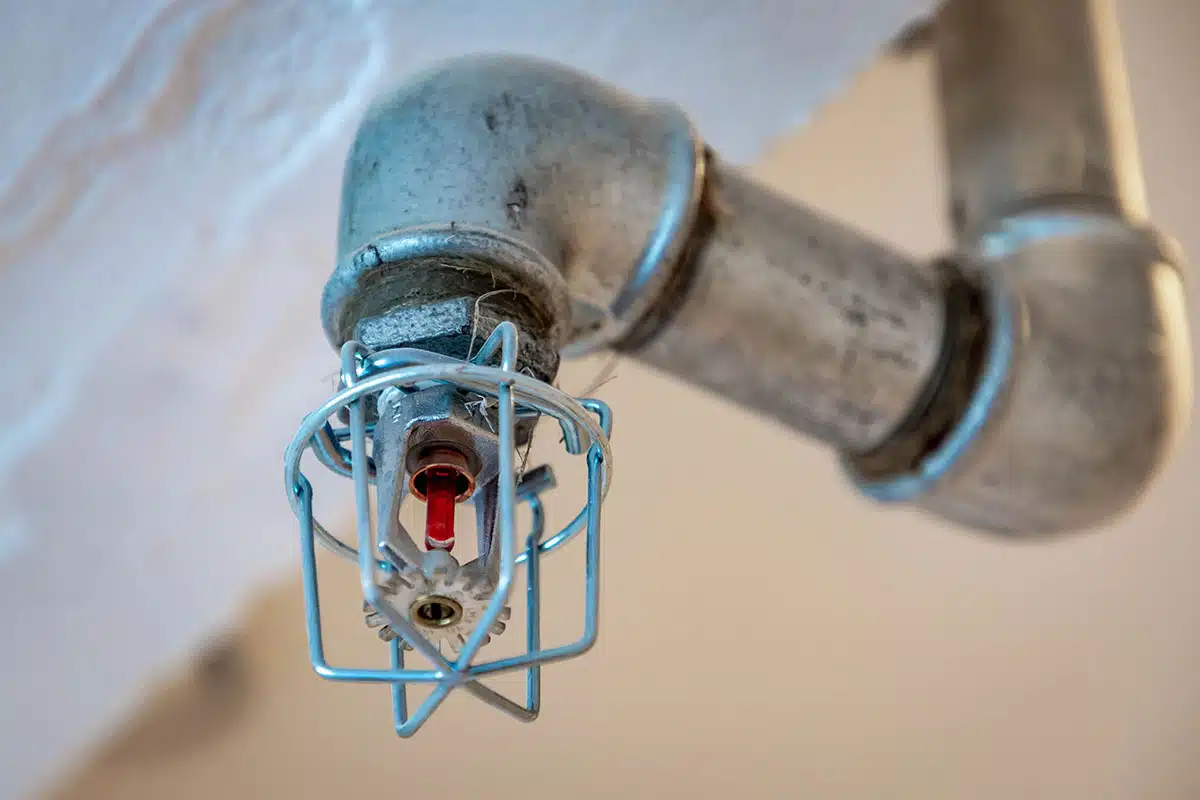
The wet pipe sprinkler system is the workhorse of fire suppression systems. The system relies on a network of pipes that are filled with pressurized water, ready for immediate discharge. Each sprinkler head contains a heat-sensitive element—either a glass bulb filled with liquid or a fusible link. When a fire starts, the heat causes the temperature around the sprinkler head to rise. Once the temperature exceeds the rated threshold (around 155°F/68°C), the glass bulb bursts or the fusible link melts, opening the sprinkler head.

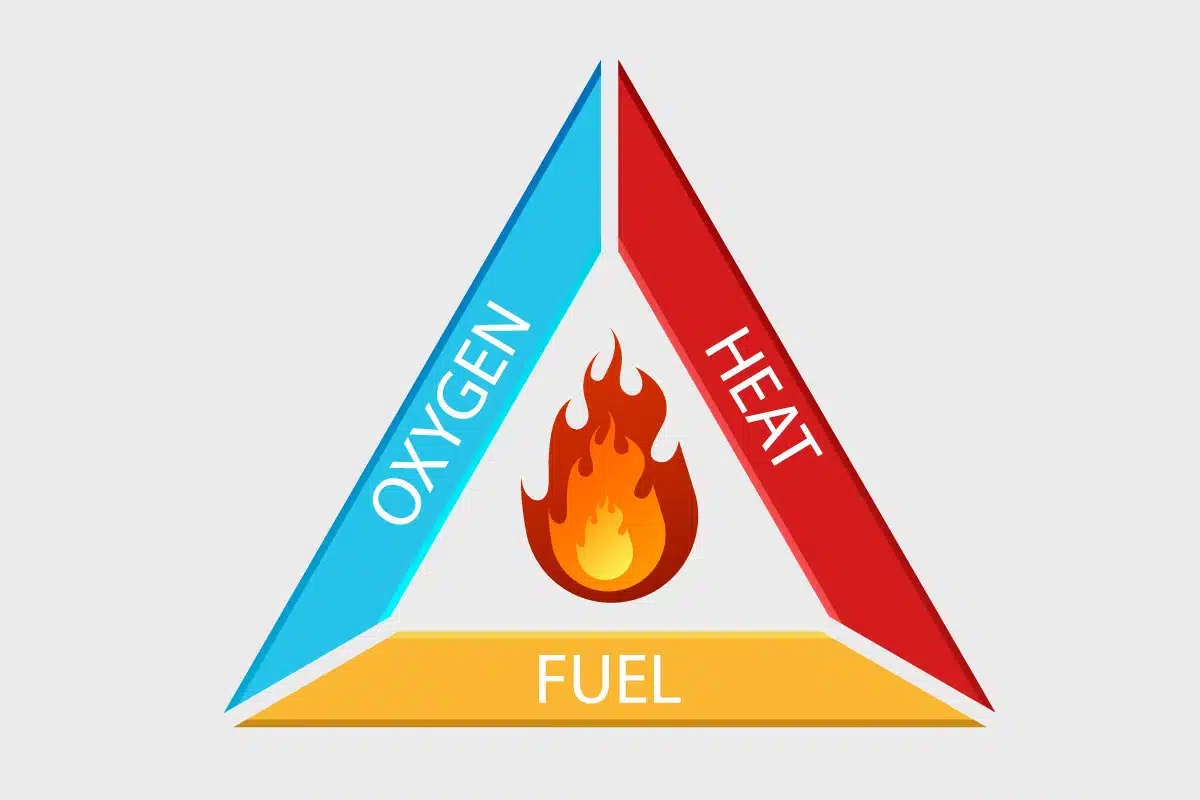
A triangular graphic showing the three elements required for a fire to burn—heat, fuel, and oxygen
To prevent or extinguish a fire, you need to remove one or more of the elements of the fire triangle.

Because the system’s pipes are already full, water is released immediately through the activated sprinkler head and directed onto the fire. Only the sprinkler heads exposed to sufficient heat will activate, ensuring that water is delivered directly to the fire’s location rather than the entire building. The water is sprayed in a specific pattern, controlled by the sprinkler head’s deflector, to cool the flames, reduce heat, and limit the spread of fire. The wet pipe sprinkler system is extremely reliable, and the National Fire Protection Association (NFPA) recommends it as the go-to system for most buildings.

But in areas where temperatures drop below freezing, dry pipe systems are preferred. Dry pipe systems operate much like wet pipe systems, except that instead of being filled with pressurized water, the system’s pipes are filled with pressurized air or nitrogen. Once a sprinkler head is triggered, the pressurized gas escapes and a valve opens, allowing water from insulated pipes to flow.

Pre-action sprinkler systems add an extra layer of activation to dry pipe systems. Instead of relying only on heat to trigger the sprinkler head, a secondary initiating device, like a smoke detector, must confirm that there is a fire before the suppression system can deploy. This precautionary approach prevents accidental water discharge, making pre-action sprinkler systems ideal for environments where water damage would be especially costly or disruptive, such as data centers, museums, libraries, archival vaults, and freezer warehouses.

While water is the most common fire suppressant used in fire safety systems, it’s not ideal for certain types of structures. Water is highly destructive to electronics, paper documents, and sensitive artifacts, which is why some museums and factories rely on chemical non-liquid systems that use inert gases like argon, nitrogen, and carbon dioxide to snuff out flames through oxygen starvation, minimizing collateral damage. These gases also leave no residue and so make post-fire cleanup easier.

Similarly, areas with flammable liquids or chemicals may need to look at foam water systems, where water is mixed with foam concentrate to smother the fire.

Portable Fire Suppression

In addition to building-wide, automated fire suppression systems, hand-held fire extinguishers provide another layer of defense against fire. Regulations in most states require that fire extinguishers be mounted within 75 feet of any area within a building. This proximity can allow building occupants to begin fighting a fire even before the automated systems kick in.

There are four different types of fire extinguishers:

  • Class A extinguishers use water-based agents for standard combustible materials like paper and wood.
  • Class B models use chemical agents to smother commercial grease, motor oil, and gasoline fires.
  • Class C varieties use non-conductive agents to fight electrical fires.
  • Class K extinguishers use wet chemical agents to extinguish the cooking oil and grease fires that can occur in restaurants and other commercial kitchens.

Extinguishers should be inspected monthly and replaced every five to 15 years.

Smart Technology Enhances Building Fire Safety

As with most aspects of operating a modern commercial facility, fire prevention and suppression is benefiting from new technologies. The same smart building technology that optimizes a building’s energy use can help improve building fire safety.

Smart fire alarms can be integrated with HVAC and access-control systems to provide a unified emergency response. Smart systems deliver real-time notifications, including the nature and location of the emergency, to smartphones. These systems can automatically initiate defensive actions, like shutting down elevators and unlocking doors for evacuation. Smart systems can also improve proactive maintenance by analyzing data from sensors to predict when problems are likely to occur.

The spread of the internet of things (IoT) is one of the developments that has brought fire safety into a new era. For example, smart smoke detectors can differentiate between harmless smoke and a real fire, reducing false alarms. And if there is a fire, these devices can catch it sooner. Using thermal imaging cameras, these systems can quickly identify unusual temperature increases, even in low-visibility conditions—enabling fire alarms to sound earlier and suppression systems to deploy sooner.

Smart signage and wayfinding systems are two more developments that are making buildings safer. In the event of a fire, these systems provide occupants with clear and swift evacuation routes, and can even modify routes as conditions change, making evacuations safer. 

And fire safety technology continues to evolve. Experts see several new developments on the horizon—using AI for predictive maintenance and risk analysis, employing virtual reality in emergency scenario responses, and adding 5G connectivity for faster speeds and more efficient communication.

Maintenance and Continuous Improvement

Installing the most up-to-date fire safety equipment is only effective if the equipment is properly maintained and your response teams are fully prepared. This is why proper recordkeeping and regular inspections are so critical to building fire safety.

Routine Inspections and Training to Enhance Building Fire Safety

A well-defined inspection and maintenance schedule that follows national and local standards is critical for ensuring the safety of your facilities. Trained personnel should conduct regular visual inspections to check for obvious signs of wear and tear, note any obstructions to fire protection system components, and check for changes to furniture layouts or other structural matters that could affect system performance.

The wet pipe sprinkler system is the most common fire suppression system found in commercial buildings.

Facilities staff should also regularly test alarm systems and emergency lights, ensure emergency exits and pathways remain unobstructed, and conduct spot checks on high-risk equipment.

Smoke detectors should be tested monthly. Heat detectors should be inspected every six months or so for signs of dust or debris that might affect performance. And both these types of initiating devices need to be replaced after 10 years, as their reliability diminishes over time.

Manual pull stations should be cleaned and tested annually by a professional technician. In addition, fire extinguishers should be checked for any signs of tampering and to ensure optimal pressure. Any problems discovered should be addressed immediately to maintain compliance and safety.

Recordkeeping and Documentation

Fire safety recordkeeping isn’t just essential for maintaining your fire detection and suppression systems, it’s required by law. Regardless of size, every business must maintain an organized, up-to-date log of all fire protection systems, inspections, and maintenance. Doing so is essential for proving compliance with fire safety regulations and preparing your facility for inspections. 

The types of records that should be maintained include:

  • Fire Drill Logs that record the timing and results of scheduled fire drills, ensuring that employees know how to evacuate the building safely in the event of a fire
  • Equipment Maintenance Logs that track the servicing, repairs, and inspections of fire protection systems
  • Inspection Reports that must be kept up to date and stored in an accessible format, whether inspections are conducted by internal teams or third-party fire safety companies

Here again, smart technologies can help. A Computerized Maintenance Management System (CMMS), for example, makes it simple to maintain fire drill logs and fire safety equipment maintenance records by automating, centralizing, and streamlining critical safety tasks. A CMMS system is also ideal for automating scheduling and issuing reminders. The system can both assign tasks and track their completion, providing managers with real-time alerts and updates.

A New Era in Building Fire Safety

In 2023, fires in commercial facilities led to almost $3.2 billion in commercial property and other losses. As this figure makes clear, building fire safety is a crucial element of any business’ asset management strategy. Fortunately, new technology is making fire risk mitigation easier than ever. Today’s smart building technologies help facilities managers respond faster, meet compliance requirements more easily, and optimize operational efficiency—using a proactive, layered approach to fire safety that protects people, property, and operations.

Your Partner for Optimal Efficiency and Safety

Looking to bring greater automation to your facilities maintenance? PRIDE Industries can help. With more than 35 years of facilities management experience, and expertise in the latest safety and maintenance technologies, we can help you minimize energy consumption, reduce fire risk, and optimize the value of all your facility’s assets.