Our Stories

Before the pandemic, conflict in Ukraine, and trade tension with China, supply chain risk management was a topic that mostly interested eager business students and industry scholars. Back then, most businesses didn’t have to contend with much risk in supply chains, and rarely worried about delays or shortages of needed parts.

Then came the pandemic and its aftermath, and along with it, broken supply chains. And those supply chains that didn’t break still strained to deliver raw materials and other inputs. The most visible sector to be hit by these shortages was the automotive industry. S&P Global Mobility estimated that there were 9.5 million fewer light vehicles produced in 2021 because of the lack of semiconductors. But the electronics industry—though it didn’t make the same headlines—also suffered. And those shortages have had a lasting effect.

No Return to the Status Quo for Supply Chain Risk Management

Savvy manufacturers are recognizing that preparation is the key to flexibility, and are creating contingency plans and crisis-response infrastructures that enable them to better manage supply chain risks.

Compared to their predecessors, today’s electronic devices are chip hogs. So while semiconductor manufacturers continue to ramp up capacity, especially here in the U.S., some electronics companies still find themselves redesigning products to make use of more readily available components. It’s this type of scenario that makes supply chain risk management more than just an academic exercise.

It’s highly unlikely that supply chain risk management will ever return to the business-as-usual approach of the pre-pandemic years. Industry leaders surveyed for a recent McKinsey & Company report made it clear they have no intention of returning to the status quo ante. New trends and approaches are now emerging in response to lessons learned during the pandemic years.

Trend #1: The Shift from “Just-in-Time” to “Just-in-Case”

Electronics companies have long pursued efficiency and cost-reduction strategies, and were early adopters of “just-in-time” manufacturing when the concept arrived on America’s shores in the early ‘80s. For many years, companies competed to see how far they could push this lean manufacturing model in their quest to eliminate waste, and some began carrying very low parts inventories. By reducing the number of components sitting in their warehouses, these companies were able to minimize storage costs, maximize efficiency, and reap higher profits. It was a flawless system—provided there were no disruptions.

A young woman in hardhat and safety vest, holding a clipboard and standing in front of shelves holding electronics components
Just-in-time manufacturing is giving way to a just-in-case approach.

However, this lean-and-mean model was vulnerable to hiccups. That wasn’t a problem when supply disruptions were few and far between. But then the pandemic came, and the dominos began to fall. China adopted a zero-covid policy and closed ports when there was an outbreak, disrupting chip supplies the world over. Then came the Ukraine-Russia war, which disrupted global supplies of neon (used in chipmaking lasers) along with palladium, cobalt, and nickel.

As a result of these and other disruptions, electronics manufacturers found themselves scrambling for new suppliers, and sometimes, even redesigning their products to rely on more readily available components. These companies had bumped up against a non-negotiable reality: Lean manufacturing practices, while ideal during times of robust supply chains, sacrifice resilience for efficiency. And supply chains are no longer as reliable as they once were.

After being burned by the “just-in-time” approach in the last few years, many companies are now shifting to a new strategy: the “just-in-case” model. Keeping extra materials on hand costs more and can lead to excess stock or obsolescence. However, many companies today are accepting these risks to offset the chance they will experience severe shortages. Despite the elevated costs of this new approach, experts anticipate that companies will continue to follow this path for at least a few more years, unless and until global supply chains stabilize.

Now the pressing question for electronics companies is: How many component parts should they keep on hand? And how best to manage that inventory? This is one reason why it’s increasingly important to work with a manufacturing partner with expertise in supply chain management and inventory control.

Trend #2: Bringing Manufacturing Back to America

The just-in-time approach was not the only strategy that made companies vulnerable when supply chain disruptions hit. Many American companies sourced from the Far East—an approach that quickly became problematic during global disruptions. Sourcing so far from their primary markets left little leeway for error, and many companies faced huge shipment delays—first in Asia, then in Europe, and then in regions of South America. Country-specific tax and trade regulations added to shipping timeline woes, slowing delivery of much-needed parts. Budget concerns also plagued companies as international shippers dramatically increased prices. For example, during the pandemic, the cost of shipping a forty-foot container rose from about $1,300 to more than $11,000, before returning to its current average of about $4,000.

The cost of shipping a forty-foot container has dropped from its pandemic high, but still averages about $4,000.

As these circumstances unfolded, American companies began seeking ways to reduce exposure to supply chain risk. Many businesses began exploring their options for doing business closer to home. According to the BCI Supply Chain Resilience Report 2020, 66.2% of organizations reported planning to source their goods and inputs more locally.

In addition to timing and budget concerns, companies have faced other challenges: rising labor costs worldwide, growing political instability in certain exporting countries, and trade wars that result in unpredictable tariff increases. These disruptive developments are leading many companies to rethink their global manufacturing strategies and seek reshoring partners.

Another reason many U.S. manufacturers are seeking to source and build closer to home is the threat of intellectual property (IP) theft. Chinese manufacturing partners are generally considered the riskiest in this regard. According to the U.S. Patent and Trademark Office (USPTO), “U.S. companies doing business in China face a range of challenges in protecting and enforcing their intellectual property (IP).” But while China may be the most well-known country in this regard, IP theft is a global phenomenon, making domestic production the safest option for IP protection.

Trend #3: Flexibility and Preparation Become Critical

The overwhelming majority of respondents in the above-referenced McKinsey report said that recent global crises have revealed weaknesses in their supply chains. One of those weaknesses was relying on a sole supplier, an approach that many manufacturers have begun to rethink. According to a survey conducted the Cybersecurity and Infrastructure Security Agency (CISA), 57.2% of respondents planned to diversify their supplier base post-pandemic.

Manufacturers have also recognized that they can reduce supply chain risk if their PCBA designs are more flexible; that is, if they can use the same components for multiple functions, or conversely, use different components to achieve the same result.

Savvy manufacturers are also recognizing that preparation is the key to flexibility, and so are creating contingency plans and crisis-response infrastructures that enable them to better manage supply chain disruptions. These forward-thinking businesses have planned for a wide variety of “what-if” scenarios, with the goal of compensating for material shortages and distribution bottlenecks without missing a beat.  

Trend #4: Optimizing Inventory and Distribution Technology

Taking advantage of current technology is critical for optimizing the end-to-end management of any supply chain. Respondents in the McKinsey report saw an urgent need to gain better control of their supply-chain technology, a goal which will require a skilled workforce trained to use new digital tools. It’s not surprising that 90% of industry leaders surveyed said they planned to increase their organizations’ supply chain talent through in-house reskilling and external hires.

Another way companies are choosing to optimize their supply chain operations is by increasing supply chain visibility and control through the Industrial Internet of Things (IIoT) and other technologies. For example, automating the warehouse, back office, and transportation network allows a company to know precisely when its components and other inputs arrive and in what condition. And it lets these same companies monitor where their finished products are in transit, when the customer receives them, and in what condition. A relatively new IIoT technology, known as Multi-Dimensional Monitoring (MDM) can provide real-time tracking that generates notifications for all stakeholders along the supply chain.

Every new advance has its tradeoffs, however. While increased automation does enable electronics companies to better manage both material inputs and finished products, this same technology also brings an increased risk of malware, ransomware, phishing, hacking, and data breaches. Cyberthreats have grown steadily over the past few years, and these threats escalated as businesses connected their systems directly to their growing base of suppliers.

According to CyberGRX, a cybersecurity management company, 82% of organizations have experienced one or more data breaches caused by a third party—at an average cost of $7.5 million per incident. Any vendor that interacts with your systems is a risk. The answer, however, is not a return to clipboards and hand counting. Rather, companies should carefully vet their suppliers—not just to make sure those suppliers are trustworthy, but also to ensure that these vendors’ systems are as hack-proof as possible. It’s prudent to remember that vendor systems that connect to your company network are in a sense part of your network—and your cybersecurity is only as robust as the weakest link.

Trend #5: Looking Beyond Supply Chain Risk Management

Managing a company’s supply chain isn’t simply about risk mitigation. As more and more companies are discovering, it’s possible to use the supply chain to achieve secondary, yet highly valuable, goals. Companies seeking to up their ESG score, for example, can use their supply chain to promote both diversity and sustainability, simply by considering these factors in choosing their vendors. If your vendor has a high ESG score, it can help increase your own.

Quality, efficiency, reliability, and cost-effectiveness will always be a company’s primary considerations. Fortunately, however, these days there are many suppliers that can deliver on these requirements along with the diversity and sustainability you need to help you meet your own ESG goals. So be sure to ask about these issues when vetting your suppliers. With just a little extra effort, your company will be able to meet its ESG goals while effectively addressing supply chain risk management.


An Electronics Manufacturing Partner You Can Rely On

At PRIDE Industries, we help companies increase profits by stabilizing their supply chain. Our state-of-the-art facilities minimize your risk of disruption, optimize manufacturing and fulfillment processing, and provide flexible, on-demand inventory schedules. And our inclusive workforce—about 50% of our employees have a disclosed disability—means that working with us also allows you to make a positive social impact with your business spend, while meeting consumer demand for products made in the U.S.A.

There’s obtaining an investment, and then there’s maintaining one. Sounds straightforward. But if that investment asset is a commercial property, maintaining it means a lot more than just holding on to it. Active commercial property maintenance is a critical necessity for upholding property value, ensuring long-term business success, and maximizing returns. And it’s not just about resale value. By enhancing comfort and aesthetic appeal, a well-maintained property also provides tenant satisfaction, attracting new occupants and retaining existing ones.

So how can managers and owners maximize their commercial property maintenance for long-term success? Specifically, which protocols, policies, and technologies will enable you to uphold the value and viability of your buildings? Below are some strategies that will enable you to maintain your commercial investment and build your business brand.

Optimizing Commercial Property Maintenance with Regular Checkups

Identifying problems early can prevent disruptions to business operations, mitigate expensive damage, and even prevent a hazard that could be litigable or life-threatening.

Commercial property maintenance is kind of like dental hygiene: They both require regular checkups to ensure everything is in working order. One of the fundamental steps in optimizing property maintenance is conducting thorough inspections at regular intervals. Similar to dental hygiene, a proactive approach to maintenance helps to spot issues early, avoiding costly repairs in the future.

Identifying problems early can prevent disruptions to business operations, mitigate expensive damage, and even prevent a hazard that could be litigable or life-threatening. And to maximize facility and building inspections, consistency is imperative. Facility type and risk factors such as hazardous materials or complex machinery will determine the frequency of maintenance inspections. For manufacturing facilities and warehouses, a thorough inspection at least once a month is prudent. Spaces with fewer potential hazards, such as retail stores and office buildings, typically only need to be inspected once a quarter.

And whenever you conduct an inspection, don’t forget the checklist. While many facilities managers have so much experience that they simply “know” what to look for every month, a checklist facilitates important recordkeeping, ensures that less experienced personnel don’t overlook a critical component, and makes it easier to comply with safety regulations.

Establishing a comprehensive inspection checklist that covers all your facility’s vital components will ensure that no system or structure is overlooked and that your facility continues to run smoothly. Checklist apps can be an excellent option, or you can develop a customized, in-house version. Even an old-fashioned, printed checklist can work well—as long as it’s carried with inspectors and utilized every time.

A checklist will help ensure that maintenance personnel regularly inspect every section of the facility, including essential components such as HVAC systems, plumbing, electrical systems, and elevators. These regular inspections should also include the building envelope, i.e., the roof, exterior and interior walls, ceilings, windows, stairs, etc. And of course, be sure to check safety equipment in accordance with fire department and other regulations.

Making Plans and Keeping Records

Checklists for inspections are just one tool for optimizing commercial property maintenance. A comprehensive facilities master plan and detailed maintenance records are also essential tools to have in your management toolbox.

A facilities master plan (FMP) outlines a strategic and long-term approach for managing and maintaining your property and is a vital part of planning capital improvements and strategizing maintenance practices. When developing an FMP, keep your facility’s long-term development and growth in mind, and be sure to include goals that cover upgrades and improvements. If compliance with the Americans with Disabilities Act (ADA) is a goal, for example, your target improvements may include adding ramps and widening doorways.

In fact, when it comes to optimizing maintenance, developing and utilizing an FMP is a great way to shift from a reactive, emergency-based form of maintenance to an efficient, deliberate approach that will improve tenant satisfaction, increase operational efficiency, and even enhance property values. Having a master plan—one that is reviewed regularly and kept current—enables property owners and managers to allocate resources effectively, ensuring that maintenance efforts are appropriately funded and prioritized.

Where FMPs look to future actions and goals, maintenance records compile historical data of completed tasks or in-progress activities. In addition to repair logging, well-organized maintenance records include all vendor information and warranties, inspections, and upgrades performed on the building systems and envelope. This solid recordkeeping will prove invaluable when developing your FMP and is one reason why optimizing facilities operations should start with implementing easy-to-use recordkeeping systems.

To maximize efficiency, recordkeeping should be centralized, easily accessible, and kept in a consistent format. Information supplied by in-house technicians or service providers needs to be thorough. It’s all too easy to rush when completing forms, especially when technicians have a long list of priority projects. But ensuring that records are clear and informative will make them much more useful for the next person who has to rely on that information, and in the long run, this will save time and money.

More Than Aesthetic Appeal

Your property’s appearance is a reflection of your business, and has a direct impact on your tenants, visitors, and customers. Allocating funds from your facility service budget for maintenance that enhances your facility’s aesthetic appeal will be sure to pay dividends, since pleasing aesthetics often require preventative maintenance measures.

Sustainable grounds and landscaping are certainly important in establishing your facility’s aesthetics. But optimizing your commercial property maintenance goes further than caring for shrubs and flowers. (Even though that’s important!) Keeping things clean and aesthetically appealing in spaces beyond the landscape or building curb is essential for upholding your asset value and business profile.

Building exteriors are one example. Outdoor-facing walls and facades can accumulate grime and dirt that hide cracks and cover areas that need attention; algae and mold trap moisture that, if left untreated, can lead to more serious problems. Periodic pressure washing of exterior walls and walkways will mitigate dirt and algae build-up, protecting walls and making paths safer—and more appealing!

Another issue to look out for is faded or broken signage, and parking lot markings that have worn away. When you see these elements every day, it’s easy to overlook their condition, but customers and visitors will likely see faded and worn exterior elements as a sign of neglect. Taking care of these details lets customers know you care.

A man in work overalls pressure-washing a building’s exterior as part of commercial property maintenance
Periodic pressure washing can improve appearances and prevent damage.

Likewise, grimy trash areas send a negative signal and, what’s more, will encourage pests. Pest infestations have a particularly negative effect on a company’s reputation and can drive away tenants. Regular inspection of trash areas and timely pest treatments, when needed, will help maintain a clean and hygienic environment. And don’t forget interior common areas. Well-kept lobbies, hallways, restrooms, and break rooms are vital to making a positive impression on tenants and visitors.

Whatever your industry, the state of your facilities has the power to impact—for good or bad—your company’s reputation in the marketplace. Regular cleaning and maintenance of both interiors and landscapes, along with the prompt repair and refurbishment of visible areas, will go a long way to maintaining your facility’s property value and your company’s positive reputation.

Maintenance to Boost Energy Efficiency

When it comes to your facility’s energy use and consumption, regular maintenance and careful management can significantly improve energy efficiency. Tenants appreciate energy-efficient and sustainable properties, and businesses that incorporate energy management into their building maintenance protocols can reduce operational costs.

Using occupancy data to strategically set HVAC schedules is an excellent way to maximize energy efficiency. As an alternative to traditional controls, which assume that buildings are fully occupied, an occupant-centric control is based on actual building occupancy levels and will allow you to reduce energy consumption without sacrificing tenant comfort. 

For example, reducing HVAC set points for winter nights, and then raising these setpoints for cooling on summer nights, can generate significant savings in energy, as the HVAC equipment is essentially turned off except when extreme temperatures are reached. Strategies like this—using occupant-centric control together with improved sequences—have been shown to reduce annual energy consumption by 30%.

These types of adjustments are possible even with relatively unsophisticated building automation systems (BAS). But some automated tools enable even more granular control of a building’s energy use. Known as energy management systems (EMS), these tools can greatly enhance your current BAS.

Although a building’s BAS can be considered an energy-saving system, it focuses primarily on controlling and monitoring various building systems. It does not provide data on consumption. An EMS, however, makes it possible to determine how much energy is being consumed and where. It gathers valuable statistics that can inform BAS programming. By utilizing the building’s BAS in conjunction with an EMS, facility managers have access to detailed data and analysis that can identify areas of inefficiency, allowing the BAS to be configured to optimize energy use.

Effective Communication and Response

A close-up of a man’s hand using a computer mouse, with a building schematic showing on a computer screen
Using the energy-saving features of an EMS in conjunction with the building’s BAS can optimize maintenance and cut costs.

While BAS and EMS systems (and checklists and master plans) are all important, perhaps the most effective means of optimizing commercial property maintenance lies with the building occupants themselves. Promoting an open line of communication with tenants in order to promptly address their concerns and maintenance requests is vital for tenant confidence and comfort.  By making it easy for tenants to report the maintenance issues that matter to them, from the burnt-out light in the lobby to the pothole in the parking lot, you let them know that you’re paying attention to their needs.

Making it easy for tenants to convey questions or concerns gives them a say in their environment and contributes to a harmonious owner-tenant relationship. And it’s not hard to do. Online portals and mobile apps are a great way to enable occupants to report issues and track the progress of their resolution. These platforms can also be used to inform occupants about upcoming repairs that may cause disruptions or the roll-out of new security protocols.

Whatever communication method you choose, being responsive and informative when dealing with tenants demonstrates your commitment to their satisfaction and will go a long way to reassuring occupants and visitors alike that you have their safety and comfort in mind.

Practice Makes Perfect

Optimizing commercial property maintenance is an ongoing process that requires dedication and a proactive approach. By conducting regular inspections, implementing smart planning, and prioritizing tenant needs, building managers can attract and retain tenants, and business owners can raise their company’s profile. A well-maintained property not only serves as a testament to your commitment to quality, it also lays the foundation for future growth.

Commercial Property Maintenance You Can Rely On

If you're looking to optimize your property’s maintenance, or your facilities aren't currently meeting your operational demands, PRIDE Industries can help. With more than thirty years of experience, and expertise in LEED and other premium certifications, we can help you lower costs and get the most from your building assets. Contact us for tailored solutions that prioritize efficiency and excellence.

As environmental awareness continues to gain momentum, and customers become more cognizant of climate concerns, sustainable landscape design is growing more important. Businesses are now expected to play their part in safeguarding the planet’s future, not only in the products and services they offer, but also in the way they manage their own capital assets, including their commercial properties.

Organizations that nurture a sustainable landscape not only contribute to the greater ecological good, they also reinforce their reputations as environmental stewards and responsible corporate citizens. This is not just an eco-fantasy; it’s a reality that modern businesses are embracing and an area where ecological responsibility meets business brilliance.

Small steps, such as modifications to an irrigation system, or a bigger move—like replacing a water-thirsty lawn—will all make an impact.

Your company’s landscaping is part of its public image. And now more than ever, that image has to be sustainable. So, what does it take for a commercial property to have a sustainable landscape? The answer depends on your sustainability goals.

Maybe sustainable landscaping seems like a distant goal for your organization. Or perhaps you’re already considering a complete redesign. Or maybe you simply want to make small yet impactful landscaping changes. Whatever your goals, here are some of the best practices for transforming your outdoor space into a verdant haven that will both please visitors and raise your brand profile.

Sustainable Landscape Design and Redesign

The good news about embracing a sustainable landscape is that it’s not an all-or-nothing approach. Changes can be made step by step over time in a way that works best for your business. Small steps, such as modifications to an irrigation system, or bigger moves—like replacing a water-thirsty lawn—will all make an impact.

Whatever approach you take, incorporating one or all of these practices will go a long way to conserving resources, maintaining habitats, and creating stunning vistas.

  • Sustainable Hardscape Materials: This is where creative muscles can really be flexed! Eco-friendly hardscape materials like reclaimed wood, recycled concrete, or metal found at salvage yards and construction sites can be used in unique ways, giving these resources a new purpose that’s vastly different from their first-life use. Think railroad ties for low retaining walls instead of new lumber, and recycled concrete for walkways. Broken-down concrete can also be used as an alternative to rocks, gravel, and pebbles, allowing rainwater to filter into the soil instead of streaming into storm drains. These choices signal that your company values innovation, creativity, and resource conservation.
  • Rooftops and Walls: Roof gardens and green walls are not just Instagram-worthy property enhancements, they also provide numerous environmental benefits. Rooftop gardens in particular have been shown to reduce the urban heat island effect and to help insulate buildings during heatwaves and in cold weather, leading to energy savings from less HVAC use. Green or living walls can be constructed for vertical verdancy in several different ways, such as mounting soil-containing panels to walls, or installing a trellis system where climbing plants can grow from the ground up. Green walls do incur maintenance and installation costs; however, their net environmental value is a big positive. In addition to the calming effects of green, vibrant spaces, vertical gardens have been shown to reduce noise, temperature, and even particulate matter.
  • Native and Drought-Resistant Plants: Native plants that are well-adapted to the local climate can be a practical yet beautiful addition to any landscape. These plants are generally more resilient and often require less maintenance. In naturally dry climates, native plants have evolved to survive droughts, and these hardy species help conserve water resources. For colder climates, plant species well-adapted to frost and snow are good choices and often thrive with minimal intervention.
  • Sustainable Lighting: You can reduce the carbon footprint of your property by using energy-saving lighting in all outdoor areas. Energy-efficient LED lighting consumes significantly less electricity than traditional lighting options, leading to reduced energy consumption and lower utility costs. Moreover, LED lights have a longer lifespan, reducing replacement costs.
  • Solar Power: A great way to power your sustainable lighting is with solar energy. Solar lighting systems operate independently of a building’s electrical grid, and so are a viable option even if the building itself doesn’t use solar power. Although solar may not be an option for all parts of the country, many solar-powered fixtures have backup batteries for cloudy or rainy days. And with some lighting systems, the solar panels that power the lights can be installed in a different area from the light fixtures to optimize energy collection.

Sustainable Landscape Maintenance

Whether you’re managing small perimeter gardens with a few flowers, or large grounds with mature trees, regular sustainable landscape maintenance is imperative to optimize these environmentally friendly habitats and keep up appearances.  Here are some of the most important practices to keep in mind:

  • Integrated Pest Management (IPM): IPM is an eco-friendly approach to pest control that focuses on long-term pest prevention and minimal use of hazardous chemicals. It involves a combination of strategies such as monitoring, biological control, habitat manipulation, and targeted pesticide application. Adopting these practices reduces the reliance on harmful pesticides and herbicides and promotes natural insect populations that help maintain an ecological balance throughout the grounds.
  • Efficient Irrigation Systems: Even if you are not ready to switch to a new irrigation system, regular checks and maintenance of your existing system will go a long way to conserving water. Regular inspection across your entire irrigation network will mean leaks do not go unnoticed, and sprinklers can be kept in optimal working order. And if you’re interested in an easy, smart upgrade, consider installing an irrigation sensor that uses soil conditions and/or weather data to regulate watering schedules. These sensors can easily plug into your existing system, allowing you to modify the system without completely replacing it.
  • Mulching for Every Season: In the summer, laying down mulch prevents water evaporation around plants and shrubs. In the winter, mulch acts as an insulating layer. This easy and natural maintenance method is perfect for a sustainable landscape. There is one caveat, however: Be sure that the mulch you use is certified as all natural and chemical free, as some commercial mulches contain toxic chemicals that don’t belong in a sustainable landscape. Likewise, rubber mulch will not decompose or provide the soil with any organic matter. For these reasons, both artificially dyed and rubber mulch are best avoided. Consider asking your landscaper to generate mulch from your property’s tree and shrub debris. Even grass cuttings that would otherwise go to the landfill can be given a useful second life.

Show Off Your Sustainable Landscape

Yes, it’s time to boast. Now that you’ve taken steps to implement environmentally smart changes to your outdoor presence, here are some ways to let customers know about it.

  • Certification and Awards: Seek certifications like LEED (Leadership in Energy and Environmental Design) or recognition from local environmental organizations to validate your sustainable practices. LEED certification is a globally recognized symbol of sustainability and is associated with increased occupancy rates and higher rents. It’s recognized by ESG investors as validation of your environmental efforts and gives your company greater visibility. Displaying certifications like this prominently in your marketing materials and in your buildings acts as an ecological seal of approval.
  • Educational Signage: Install informative signs throughout the property to educate visitors about the sustainable features and initiatives in place. Small name plaques for native plants and shrubs, for example, not only raise awareness but also encourage engagement and support.
  • Sanctuary Spaces: Everyone loves being in a green space. Dedicating even a small area within your landscape to the enjoyment of customers, tenants, employees, and visitors will leave a lasting impression. A small gazebo or shade structure surrounded by native plants—or even a simple park bench under a tree—creates a peaceful oasis that visitors will remember.
  • Social Media and Content Marketing: Leverage social media platforms and content marketing to share stories, photos, and updates about your company’s sustainable landscape efforts. Invite visitors to take a walk through your landscaped areas. You can even post about the various plant species that are found in your sustainable landscape. Highlighting the positive environmental and community impacts of your landscaping choices will resonate with stakeholders and customers.
The green LEED certification seal
Advertise your sustainable practices with LEED certification.
An informational plaque in a sustainable landscape stands next to a native plant and reads “Yarrow, Achillea millefolium”
Placing informational plaques next to native plants and shrubs shows that your company is serious about sustainability.

Your Great Outdoors

A sustainable landscape presents a win-win scenario. Businesses that adopt environmentally friendly landscaping and maintenance practices not only reduce their ecological footprint but also bolster their reputation and brand identity. Your outdoor space serves as a tangible demonstration of your organization’s commitment to the environment, one that will garner support and loyalty from anyone visiting your premises or even reading about it online.

As the world continues to prioritize sustainability, businesses that embrace these green initiatives are better positioned to thrive in a landscape of eco-conscious consumers and environmentally aware stakeholders.

Your Sustainability Partner

Do you want to level up to a more sustainable landscape? Or maybe you’d like to obtain LEED certification? With more than three decades of facilities management experience, PRIDE Industries can meet all your landscaping design and maintenance needs. And our facilities maintenance and custodial services can help you raise your sustainability status indoors too.

It happens instantaneously. And if it doesn’t, the consequences range from vaguely annoying to downright alarming. When we touch a screen, drive a car, or use a critical medical device, we expect and rely on instant responses, generated in fractions of a second, for our entertainment and—more and more—our health and safety. And because of the vital role that electronic devices have in our lives, electronics testing and inspection can literally be a matter of life or death. As melodramatic as that sounds, the reality is when it comes to our reliance on electronic devices, rigorous testing of their PCB brains is critical to prevent failures and increase quality.

While it’s easy to see the importance of electronics testing, the question is: When bringing an electronic product to market, what are the tests and inspections you should discuss with your contract manufacturer? Having some insight into what the key tests are can be helpful. So, let’s take a more detailed look at the tests and inspections that electronic devices need to go through.

Devising the best testing strategy will mean working with a manufacturing partner experienced in both DFM and DFT.

What Electronics Testing Will My Product Need?

Although there is value to every test, not every test will be suitable for your product. The when-and-what of testing will depend on several factors, such as the product’s function, user environment, and production volume. The key to success is implementing strategic, device-specific testing that provides thorough quality control, while allowing for streamlined and efficient assembly and production.

The primary uses of the device you want to bring to market will naturally influence electronics testing. A consumer product that sits on a shelf will not encounter the same conditions as a device for the medical or aerospace industry. Electronics subject to harsher environments require stringent test protocols that will challenge stress limits and therefore ensure reliability.

Another consideration is the product’s stage of development. In the prototyping stages, functional and design verification tests are essential for identifying technical flaws and refining the product’s features. The small-batch nature of prototyping, especially rapid prototyping, will inevitably mean different test considerations. While cost-effective at mass production, the expense of some test setups is just not viable for small runs.

Devising the best testing strategy will mean working with a manufacturing partner experienced in design for manufacturability (DFM) and design for test (DFT). An electronics manufacturing services (EMS) provider who understands your priorities can ensure pertinent tests and inspections are conducted to refine the board for optimum safety, quality, and production.

What kind of electronics testing will ensure optimal performance and reliability for your particular product? Here are five of the most robust testing technologies to consider.

Solder Paste Inspection

Solder paste printing is the first stop for circuit board assembly, and inspecting the solder paste print before the assembly is soldered in the reflow oven is an excellent time for easy preventative fixes. Given that studies show that as much as 70% of all defects on PCBAs come from improper solder paste printing, solder paste inspection (SPI) is an essential step in PCBA production.

Inspection and evaluation of solder paste printed boards can be done using 2D or 3D X-ray imaging. Both will evaluate solder paste coverage, but with the use of a laser, 3D testing will also provide coverage and paste volume data. Since solder paste volume has been linked to long-term joint reliability, 3D imaging is often the preferred quality control method.

Properly implemented, and with the aid of experienced SMT engineers monitoring the process, SPI will improve yields and save money by identifying and correcting solder paste errors early.

SPI is useful in both the development (prototyping) and in-process stages of production. In addition to spotting solder print defects (insufficient paste, bridging, etc.), solder paste inspection will gather information on printing consistency and volume, providing valuable statistical analysis that can guide design improvements.

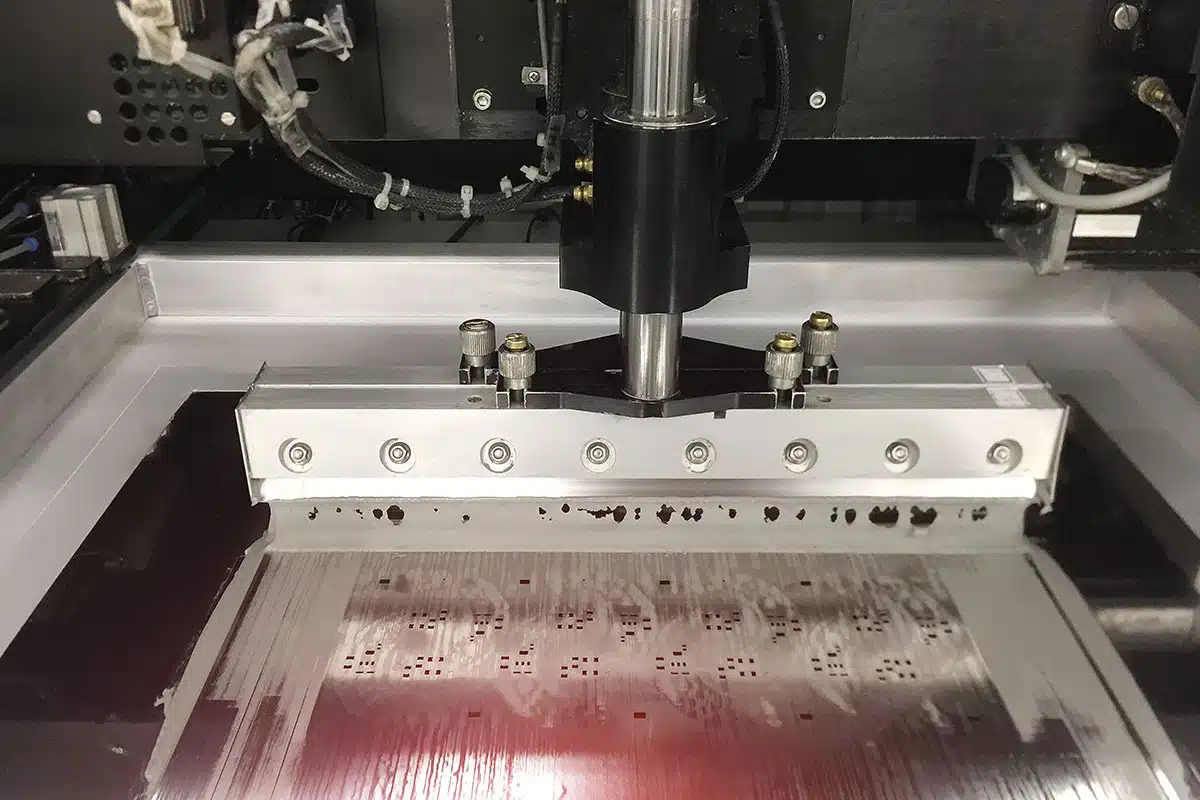
A solder paste printing machine deposits solder on a printed circuit board
Given that studies show that as much as 70% of all defects on PCBAs come from improper solder paste printing, SPI is an essential step in PCBA production.

Automated Optical Inspection

Optical inspections are a critical form of testing. Even traditional optical inspections, whether done by the naked eye or with the aid of magnifying glasses and microscopes, yield valuable information—especially when performed by experienced engineers and technicians. But today’s PCBAs, with their highly complex grid arrays and micro-sized components, also benefit greatly from the accurate and efficient capabilities offered by automated optical inspection (AOI).

With a camera system capable of capturing 2D or 3D images, AOI machines scan a PCBA and compare the images to parameters and reference images in the design database. This allows the system to detect missing components, incorrect components, skew or misalignment, and other visually identifiable defects. Any defects that are discovered can then be flagged and pulled for further inspection or rework.

Although 2D camera and sensor quality are equal to that of 3D imaging on AOI machines, 2D imaging is limited to evaluating visible components. With 3D X-ray, defects in hidden areas of integrated circuits can be identified. 3D X-ray can take longer and may come with an added cost, but with component interconnects becoming smaller and boards more compact, it’s often the best choice for especially complex PCBAs and devices.

AOI systems are highly versatile, and so are typically used at more than one stage of the manufacturing production line. Their use pre- and post-reflow is common, depending on the board and the types of defects that must be avoided. Your EMS provider will help you decide where AOI fits into your device manufacturing process by considering your production volume and rate, as well as the defects that are essential to avoid.

Flying Probe Test

While vital inspections such as SPI and AOI check defects on a board’s surface, component placement, and stability, a flying probe test (FPT) assesses and verifies the functionality of individual components on the PCBA. Discovering flawed components means they can be pulled and replaced before creating device failures.

To do this, probes “fly” over the soldered board on high-speed gantry mechanisms, and conduct a programmed test sequence set up by SMT engineers in accordance with the specific requirements of the device under test (DUT). Without powering up the board, the FPT conducts its test with as many as 20 moving probes that check individual components. The probes test parameters such as voltage measurements, shorts, opens, bad contacts, and diode issues.

Because the FPT is considered “fixtureless,” it does not come with high tooling expenses—a cost-saving benefit that can make it an ideal choice for prototypes and small to medium production volumes. 

In-Circuit Test

While FPT is useful for small volumes, the in-circuit test (ICT) fixture—which uses the same methodology (testing individual components) as the FPT—can be a good choice when it comes to products that are fully developed and in production at high volume, due to its very short test time compared to FPT.

As test fixtures, ICTs require DFT-savvy engineers to incorporate the test points in the board and use custom tooling to build the fixture. Creating the fixture naturally comes with upfront tooling costs, which can make it prohibitively expensive for prototyping, but for higher volume runs this cost is offset by the lowered expense of streamlined production. An ICT fixture can lower the per-unit cost significantly—by as much as ten or more units for every one unit that the FPT processes.

Functional Circuit Test

As the final step of electronics testing, the functional circuit test (FCT) fixture does just what it says on the box: test the device’s functionality. This test provides a pass/fail determination of the DUT’s functionality, validating the device’s design and implementation. The test is conducted by simulating the operating environment that the product will be used in, ensuring the board functions as intended, and is free of errors.

In addition to design flaws, FCT can spot both manufacturing defects and software bugs that might affect the device’s performance. It can also show whether the device adheres to all relevant standards and specifications. For critical devices, such as medical equipment or automotive systems, functional testing is crucial for ensuring safety and reliability, and so a series of FCTs may be necessary. This is where thorough testing helps verify that the device operates correctly, reducing the risk of malfunctions or complete failure.

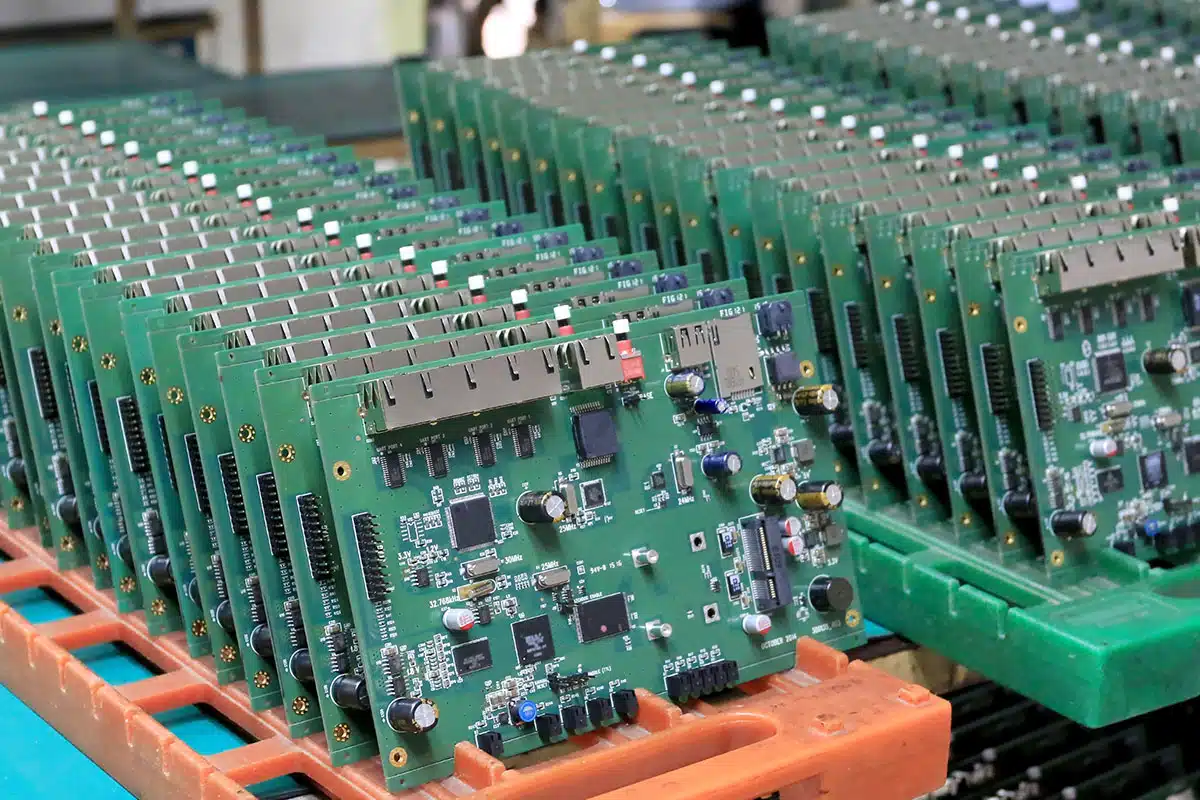
Three trays of assembled printed circuit boards
Functional circuit testing lets you check how a PCBA will perform under real-world conditions.

Driving Innovation and Building Trust

Whether they’re in consumer devices designed to entertain, or medical devices created to save lives, complex PCB assemblies with small components demand rigorous testing and inspection. Comprehensive testing ensures that electronic devices meet design specifications, adhere to industry standards, and deliver optimal performance. 

It’s also true that the process of electronics testing not only ensures quality, it also drives innovation. By providing comprehensive, detailed feedback, testing enables iterative improvements that lead to cutting-edge advancements and enhanced user experiences.

That’s why it’s more important than ever for manufacturers to embrace robust testing practices. Ensuring high performance and reliability enables electronics companies to establish trust with customers, maintain a competitive edge in the market, and build a reputation for excellence.

A Contract Electronics Manufacturer You Can Rely On

Want to ensure that your product offers a superior customer experience? We use a broad range of testing technologies and protocols—including AOI, FPT, and both 2D and 3D X-ray imaging—to ensure that your products make it out the door without defects. Contact us today to learn more.

Imagine you’ve designed a breakthrough electronics device, a product that’s sure to put your company on the map. And after hundreds of hours of brainstorming, designing, and review, you’re ready to make your device a reality and enter production. But just days later, production stops before it’s even started. It turns out the nonstandard component you included in your design will have to be soldered by hand—dramatically increasing the cost of production. So now it’s back to the drawing board—costing you a significant delay, and giving your competitors a chance to catch up. How did this happen? And how do you keep it from happening again? The answer is Design for Excellence.

What is Design for Excellence?

Design for Excellence (DFX) has a dual meaning. The first interpretation is straightforward: the “X” in “DFX” stands simply for “eXcellence.”

Additionally, however, Design for Excellence (DFX) is an umbrella term, where the “X” stands for any number of protocols for developing a better product at the concept design phase. These protocols include Design for Sustainability (DFS), Design for Manufacturability (DFM), Design for Test (DFT), and a host of other manufacturing principles.

DFX provides a systematic, holistic approach to design that focuses on all aspects of development throughout the product’s lifecycle. With traditional engineering design processes, problems are usually identified and fixed after the design phase. Design for Excellence, however, shifts the emphasis on solving these problems to the early design stage—saving companies both money and time. And whereas traditional engineering teams tend to work in silos, a DFX approach relies on greater collaboration early in the design process, making it easier to spot potential roadblocks and craft solutions.

Eight Important “X’s” of the DFX Methodology

A DFX approach relies on greater collaboration early in the design process, making it easier to spot potential roadblocks and craft solutions.

A 3D printing machine in action, making an electronics component or shell.
Longtime DFX disciplines like DFM and DFT have been joined by newer protocols like Design for Additive Manufacturing (DFAM).

DFX used to refer to two or three types of design protocols, like Design for Manufacturability and Design for Test. But new priorities, and emerging technologies, have ushered in a host of new DFX sub-disciplines, and that number continues to grow. Below are eight types of DFX methodology that are making a mark in electronics manufacturing:

Design for Manufacturability (DFM): Design for Manufacturability (DFM) analysis looks at your electronics design from the eye of the manufacturer. Ideally, this analysis occurs early in the design process, as there is an inverse relationship between cost and benefit during a product’s journey from design to release. A comprehensive analysis looks for ways to design the components of an electronic product in such a way that it will be easy to manufacture—optimally producing a better product at a lower cost. For example, a good analysis will catch any design flaws that might impact a circuit board’s functionality.

Depending on the products you make, some DFX sub-disciplines will matter more than others.

Design for Additive Manufacturing (DFAM): Design for Additive Manufacturing is DFM specifically applied to additive manufacturing (also known as 3D printing). In DFAM, the goal is to optimize the design of a product to take advantage of the benefits of the additive manufacturing process. And these benefits are significant. With 3D printing: 1) increased complexity does not equal increased cost; 2) total production costs are not significantly altered for larger volumes; and 3) integration with other digital design tools, such as computer-aided design (CAD), is considerably streamlined. Because additive manufacturing is constantly evolving, the best practices of DFAM are likewise rapidly advancing. So to get the most from DFAM, be sure to work with a team that’s up to date on new developments in this field.

Design for Sustainability (DFS): Design for Sustainability (DFS) is a design approach that considers the environmental and social impacts of a product throughout its lifecycle. There are many ways a designer can reduce a product’s overall environmental impact. Using more sustainable materials in the production of electronic components, for example, leaves less chemicals, plastics, and metals in the local landfill. Designing energy-efficient products that use low-power processors and LED displays is yet another way a designer can satisfy the demands of today’s environmentally conscious consumers.

Design for Test (DFT): Thoroughly testing products before they reach the market is crucial for avoiding returns or, even worse, expensive recalls—which is why DFT is so important. DFT in electronics is all about making it easier to test your devices during the critical debugging and manufacturing stages. A good PCB assembly design not only makes testing easier but also enables more accurate and reliable readings during testing. Fortunately, advances in rapid prototyping have greatly improved the DFT process. With rapid prototyping, prohibitive barriers of cost and time are removed. Rapid prototyping also accommodates the separate testing of components—a useful diagnostic practice that has only recently become reasonably easy to do.

Design for Assembly (DFA): In essence, Design for Assembly is about simplifying a product so that its cost of production is reduced. Engineers analyze the design of both the individual parts and the whole product in order to identify ways to optimize the assembly process, thereby reducing both production and total product lifecycle costs. Although DFA is a relatively new addition to the DFX landscape, companies have been applying DFA protocols in various ways for decades. For example, General Electric published an internal handbook as early as the 1960s which included many of the principles of DFA as we know and understand them today.

Design for Reliability (DFR): Design for Reliability focuses on ensuring that a particular product or component, such as an electronics chip, serves its intended function within a given environment throughout its lifecycle. Similar to the other DFX protocols, DFR happens at the design stage—long before actual physical prototyping begins. For example, engineers can use DFR principles to produce chip designs that anticipate and respond to the reliability issues that stem from circuit aging. While it can be tempting to cut corners—70 percent of a project’s budget can be attributed to design—a proper design producing a reliable product saves money in the long run. A savvy engineer knows that it’s cheaper to design for reliability than to test for reliability.

Design for Cost (DFC): Design for Cost is a protocol which analyzes and evaluates a product’s lifecycle cost and then modifies the design to reduce that cost. Design for Cost aims to increase system performance while simultaneously delivering value. One way to achieve a positive outcome in DFC is to emphasize simplicity, as complexity often leads to increased cost. As Albert Einstein once said, “The best design is the simplest one that works.”

Design to Cost (DTC): Design for Cost should not be confused with Design to Cost. The goal of Design for Cost is to increase system performance while reducing cost, whereas Design to Cost involves the iterative redesign of a project until it falls within budget. In the Design to Cost scenario, a company may accept reduced performance in favor of reaching its budget goals.

Making the Most of Design for Excellence

DFX encompasses just about every aspect of your product’s design. But depending on your product and your priorities, some DFX sub-disciplines may matter more than others. For example, if you make Class II medical devices, then DFT and DFR may be top of mind for you. Makers of consumer electronics might want to focus more on DFC and DFA—and more and more, DFS as well. To make sure that your product goals are met, it’s important that you work with a contract manufacturing team that’s familiar with a wide range of DFX sub-specialties, so you can focus on the design aspects that matter most to you, whether that’s cost, sustainability, time to market, or another goal.

A DFX Partner You Can Rely On

Are you ready to partner with a contract manufacturer that can help you design for excellence? Our engineers are experts in DFM, DFT, DFS, and other DFX protocols. We can help you maximize your product’s potential and streamline your production. Contact us today to learn more.

Commercial landscapes need irrigation. But, in many areas across the country, water is scarce, and conservation is critical. According to a report by the American Water Works Association (AWWA), Commercial, Industrial, and Institutional (CII) landscapes utilize 2.4 billion gallons of water per day. Meanwhile, the EPA reports that at least 40 states anticipate water shortages by 2024. So, when it comes to landscaping and irrigation, how can businesses save water while also preserving aesthetically pleasing environments?

To try to answer this question, we dive (get it?) into the areas of water capture and conservation.

Rainwater: Free Water for Landscaping and Irrigation

Let’s start with no-cost water—rainwater! One of the simplest ways to conserve water and lower irrigation costs is to capture rainfall and stormwater using rainwater barrels or cisterns. This strategy reduces dependence on municipal water supplies while decreasing the burden on local water infrastructure. Especially in regions facing water scarcity or drought conditions, rainwater harvesting conserves precious freshwater resources. What’s more, state and local agencies offer rebates and other incentives to companies that harvest rainwater.

According to a report by the American Water Works Association (AWWA), Commercial, Industrial, and Institutional (CII) landscapes utilize 2.4 billion gallons of water per day—a rate estimated to be twice that of per acre residential use.

Not only does rainwater harvesting make sense in droughted regions, but it can also provide environmental benefits in wet years and climates. Case in point, as California saw recent record-breaking storms, vast amounts of rainwater swept across parking lots and roofs, carrying pollution into streams and rivers while threatening erosion and straining storm management systems. Capturing and utilizing rainwater on-site, where it can be managed effectively, creates a free water supply while reducing the environmental impact of runoff.

Although pure rainwater is soft water and excellent for irrigation, stormwater often contains chemicals or sediments. To counter this, cisterns or larger rainwater harvesting systems can incorporate filtration mechanisms to remove debris and pollutants.

Revisiting Sprinkler Systems

Sprinkler systems for landscapes are necessary but often inefficient. Frequently, their dispersed water misses their targets, washes away over concrete, evaporates, or continues to spray even when it’s raining. The result isn’t just water waste. Energy is also wasted in pumping water from storage facilities. Fortunately, sprinkler systems can be modified and upgraded to benefit the landscape and your bottom line. Here are just a few possibilities:

  • Changing systems to suit the specific plants being watered can save a huge amount of water and benefit the plants at the same time. For example, bubblers work well for trees, while driplines are ideal for raised beds and sloped areas, where a slow application of water prevents runoff and soil erosion.
Landscape showing MP rotator
Switching sprinkler heads to multi-stream rotational nozzles can reduce overall water use to provide a saving of 30% to 45% in water use.
  • If a new irrigation system isn’t possible, consider retrofitting traditional pop-up spray heads. Switching heads to multi-stream rotational nozzles or matched-precipitation rotators can reduce water usage by 30 to 45 percent. And because they use fewer gallons per minute and distribute water more uniformly, these spray heads prevent overwatering and promote healthier plants.
  • Soil and weather sensors can be integrated into existing sprinkler systems, playing a crucial role in water conservation. Soil sensors monitor moisture levels in the soil, enabling irrigation to occur only when necessary. Weather sensors gather data on temperature, humidity, rainfall, and evapotranspiration rates, allowing for real-time adjustments to watering schedules based on actual weather conditions. Using either of these types of sensors can result in significant water savings and promote efficient water usage.

Permeable Paving: Water-Saving Hardscaping

Hardscapes are an essential part of commercial landscapes. Unfortunately, impermeable surfaces such as traditional concrete can lead to water runoff and evaporation, contributing to soil erosion and water pollution.

There is an alternative though—permeable surfaces. These surfaces function similarly to their traditional counterparts but with the added benefit of allowing water to percolate into the ground or a drainage system through openings or porous joints. Permeable hardscape materials include options like porous asphalt, pervious concrete, and permeable interlocking concrete pavement (PICP). These alternative surfaces offer a sustainable alternative for some hardscape areas, including several advantages:

Permeable hardscape path alongside grenery
Hardscaping that uses permeable paving prevents evaporation of water by allowing water to drain down to the groundwater level.
  • Stormwater Management: Permeable paving reduces stormwater runoff by allowing rainwater to infiltrate the ground rather than flow into storm drains. This minimizes the risk of flooding and the need for wet detention ponds.
  • Groundwater Recharge: By allowing water to penetrate into the soil, permeable paving contributes to groundwater recharge. This is particularly important in areas where water availability is limited, and conserving water resources is crucial.
  • Reduced Heat Island Effect: Permeable surfaces absorb less heat than traditional impervious surfaces like concrete or asphalt. This helps mitigate the urban heat island effect, where urban areas become significantly warmer than surrounding rural areas.
  • Improved Water Quality: Permeable paving facilitates natural filtration of stormwater as it percolates through the ground. The filtration process helps remove pollutants and contaminants, enhancing water quality and protecting local water bodies.
  • Cold Weather Advantages: Permeable paving has also been found to reduce the need for road salt. In fact, research from the University of New Hampshire showed permeable asphalt needs 0 to 25 percent of the salt typically applied to regular asphalt.

Back to Basics with Regular Landscaping and Irrigation Maintenance

Finally, regular and vigilant maintenance can be one of the simplest and most effective ways to conserve water. Small measures like regularly checking your irrigation system for leaks, and repairing them promptly, will go a long way toward lowering bills.

Regularly replenishing mulch around plants and shrubs is another effective practice for water conservation. Mulch acts as a protective layer on the soil surface, shielding the soil from direct sunlight and wind exposure. It helps retain soil moisture, regulates soil temperature, and suppresses weeds that compete for water resources.

Know Your Soil

Another water-conservation optimizer is knowing more about your landscape’s soil composition and your local water quality. With the help of a smart landscaping professional, this information can be used to set irrigation schedules to match the specific needs of the soil and plants. Soil that has high clay content, for instance, may require less frequent watering but for longer durations to ensure proper water infiltration. Conversely, sandy soils may need more frequent but shorter watering sessions to prevent excessive runoff.

And There’s More

These solutions can do more than help you create a sustainable, cost-effective landscape. They can help pave the way to achieving LEED (Leadership in Energy and Environmental Design) Certification for your facility. Not only does LEED Certification prove your building or facility is energy-efficient and eco-friendly, but it also demonstrates a company’s broader commitment to environmental, social, and governance concerns while attracting employees and investors with similar values.

Landscaping and Irrigation Solutions: Try One or Try All

Rainwater harvesting, updated sprinkler systems, permeable hardscapes. Just one of these measures can make a difference—not just when it comes to preserving a valuable resource for future generations, but also to your bottom line. With available rebates and a potential draw to sustainability-minded investors, it might be time to try out all of our suggestions.