Our Stories

Indoor air quality (IAQ) matters. The negative effects of poor indoor air quality on building occupants have been known for some time, and when the pandemic struck, discussions around poor IAQ became a hot topic again.

While the pandemic has receded, buildings and facilities owners and operators remain keenly aware of indoor air quality—not just because poor IAQ adversely impacts people’s health, but also because of its impact on business’ bottom lines.  In fact, according to the National Environmental Education Foundation (NEEF), inadequate IAQ costs the US economy more than $10 billion a year due to lower staff productivity and increases in sickness.

So, what factors contribute to the deterioration of indoor air quality, and what can be done to improve IAQ for occupants? To help answer these questions, we delve into some of the hazards and offer steps you can take to keep your building and its occupants healthy and happy.

Understanding Your Building’s Indoor Air Quality

The first step in improving indoor air quality is understanding its current condition. Just as outdoor air quality is tested and monitored to provide information for public health, IAQ testing and monitoring are crucial for ensuring that a building is safe and comfortable for its tenants, occupants, and visitors.

Fortunately, indoor air quality can be tracked and tested easily with handheld devices that show real-time component (pollutants and particles) levels in the air. What’s more, several devices can relay this information to mobile apps, providing actionable information to facilities management personnel.

Subpar IAQ can be attributed to a range of pollutants and the possibility of several being present simultaneously—all with hazards. Some indoor air pollutants can be two to five times worse than outdoor pollutants. That’s why the EPA’s Science Advisory Board rates indoor air quality among the top five environmental risks to public health.

It’s important to note that there are no definitive standards for indoor air quality. However, the CDC, ASHRAE, OSHA, and the WHO provide guidelines for maintaining clean air in buildings. And there is widespread agreement when it comes to bad-air culprits.

Contrary to the belief that improving IAQ comes with high costs, the reality is that the investment in IAQ improvements can result in better productivity and increased tenant retention, ultimately outweighing any initial expenses.

Smoke-filled air with helicopter
Some particulate matter or PM found in the air such as dust, dirt, soot, or smoke can be seen with the naked eye, while others are too small to be seen, but these can be even more hazardous.

Hazardous Measurable Pollutants to Monitor

Here are some of the more dangerous pollutants that building operators should monitor and test for.

  • Particulate Matter (PM): Some particulate matter or PM— dust, dirt, soot, or smoke—can be seen with the naked eye, but that which is too small to be seen can be even more hazardous. PM is measured by size: PM2.5/PM10 (particles with a diameter of 2.5 or 10 micrometers, respectively). To get an idea of how small particulate matter is, the average human hair is about 70 micrometers in diameter. These particles can get into the lungs and potentially cause damage to the respiratory and cardiovascular systems.
  • Volatile Organic Compounds (VOCs): VOCs are gases that are emitted from everyday products. Some may be harmless, such as the terpenes that come from cutting into an apple or peeling an orange. However, many—glues and adhesives, building materials, and even cleaning fluids—contain VOCs that are hazardous to human health, especially over the long term. Studies at Harvard’s T. H. Chan School of Public Health show that occupants exposed to high VOCs had significantly lower cognitive function scores, echoing other reports showing that low IAQ can cost businesses through reduced productivity.
  • Carbon Dioxide (CO2): CO2 is measured in parts per million (ppm), and increased levels can cause discomfort, fatigue, and reduced cognitive function. CO2-producing culprits include burning oil, gas, and coal. But human beings also produce CO2 with every exhale, so a combination of high occupancy and low ventilation in a room can mean less oxygen, resulting in the symptoms mentioned above.
  • Mold: It’s well known that mold spores can produce allergic reactions or even severe respiratory infections. Although spore measuring systems can detect spore counts around visible mold, they do not capture the full range of exposure. A better way to approach potential mold growth is to measure relative humidity (RH) and take proactive measures to reduce levels if they are too high. In addition to RH, dew point is another important measurement. If the indoor air temperature drops below the dew point temperature, condensation can occur on surfaces, leading to moisture accumulation with the potential for mold growth. Visual inspections and identifying musty odors are also important and reliable ways to identify the presence of mold.

Maintaining Good Indoor Air Quality

Once you have tested your building’s indoor air quality, what are the best ways to maintain good IAQ?  Whether you are starting with a good IAQ report card or find your facility’s IAQ lacking, here are key considerations to keep the good air flowing:

  • Air Filtration: For optimal filtration, install the highest-rated filters your HVAC will allow, preferably MERV 13 (or better) and HEPA filters that can effectively manage PM2.5. Your circulation rate is critical, too. Air should have a constant flow through the filters, even without cooling or heating being on. Changing filters frequently and regularly is also vital, especially if your system is carrying a lower MERV-rated filter.
  • Adequate Ventilation: Increasing the amount of outdoor air ventilation can dilute and remove VOCs by delivering a sufficient supply of fresh outdoor air while effectively removing stale air. To make this process energy efficient, utilize energy recovery ventilators (ERVs) or heat recovery ventilators (HRVs) to enhance ventilation. Ramping up ventilation rates can raise concerns about energy consumption and cost. Studies show that doubling the ventilation rate recommended by ASHRAE (American Society of Heating, Refrigeration, and Air-Conditioning Engineers) incurs a cost of less than $40 per person per year in various climate zones (and with ERVs can be as little as $10 per person). Meanwhile, the resulting productivity boost equates to $6,500 per person per year.
Even some cleaning fluids contain harmful VOCs. Ensure your cleaning team is using low toxicity products to avoid poor IAQ.
  • Proper Cleaning Practices: While regular cleaning can minimize dust, allergens, and pollutants, there’s a paradox: Some cleaning fluids emit VOCs. If possible, rely on low-toxicity, environmentally friendly products. If there is ever a need to use fluids with high VOCs, ensure adequate ventilation is in place. Additionally, make sure your cleaning crew is knowledgeable about VOCs, following effective cleaning protocols.
  • Regular Facility Maintenance: Maintaining your HVAC systems, including cleaning and inspecting air ducts, coils, and vents, will go a long way toward better IAQ. Address leaks and water intrusion as they arise, and monitor humidity levels to avoid mold growth. If humidity is high, humidifiers or dehumidifiers can maintain optimal RH levels.
  • Indoor Plants: Plants aren’t just aesthetically pleasing. They also boast IAQ benefits. Not only will indoor plants brighten your building’s interiors, but they can also help absorb certain VOCs and reduce CO2.

Indoor Well-Being

Improved indoor air quality is not only crucial for occupant health and safety, but it also provides tangible benefits for building owners and managers. Contrary to the belief that improving IAQ comes with high costs, the reality is that investing in IAQ improvements can result in better productivity and increased tenant retention, ultimately outweighing any initial expenses. By committing to a comprehensive IAQ strategy, commercial building owners and managers can create a healthier, more productive, and more attractive environment for their occupants, leading to long-term success and satisfaction for all stakeholders involved.

If you are seeking better indoor air quality for your building, maintenance or management of your facilities, or even if your building's systems are not meeting the demands of your operations, PRIDE Industries can help you to get your building working for occupants and your organization.

by Andrew Williams

The manufacturing labor shortage is a pressing concern for American electronics companies, where the scarcity of long lead-time components is matched by a shortage of skilled workers. Decades of job losses in the manufacturing sector have resulted in a lack of interest in manufacturing careers among potential workers who lack personal connections to the industry. To address this issue, companies are exploring various strategies, such as increased automation and training collaborations with community colleges. They have also found success by offering flexible work schedules that cater to the preferences of college students, single parents, and retirees.

One effective solution for electronics companies seeking to combat labor shortages is to consider populations that have been overlooked in the past, such as people with disabilities. PRIDE Industries, the company where I work as Director of Product Engagement, has been a pioneer in employing individuals with disabilities since its inception in 1966, when it was founded by a group of parents seeking employment for their adult children with disabilities. Today, PRIDE Industries is the leading employer of people with disabilities in the nation. We employ thousands of individuals in our lines of business and have helped thousands more find jobs with other companies.

How Employees with Disabilities Mitigate the Manufacturing Labor Shortage

The line of business in which I work—Manufacturing and Logistics Services (MLS)—was established in the 1990s when one of our customers asked us to manufacture a new product for them. Since this product had a simple production flow, it was well-suited to inexperienced production workers. Starting with a job shop that performed through-hole assembly using a slide line, our division has grown into a comprehensive EMS provider with full SMT capabilities. We now produce a variety of products, including Class II medical devices, using an inclusive workforce that includes a high number of people with disabilities.

It’s a proven fact that employees with disabilities have lower turnover and absenteeism than average.

Head shot of Andy Williams
Andrew Williams, Director of Product Engagement, PRIDE Industries

People with disabilities are one of the most underrepresented groups in the labor force. Two-thirds of working-age Americans with a disability are unemployed, even though many want to work. Given that one in four Americans has a disability, this is a significant waste of talent.  At PRIDE Industries, we’ve successfully created employment opportunities for this labor pool, which enables us to reap the benefits of a broad talent base.

How to Make the Factory Floor More Inclusive

Integrating people with disabilities into the production line requires thoughtful planning. For example, job descriptions sometimes need to be modified to align better with an employee’s specific skill set. And often, new fixtures, tooling, and jigs must be developed to support the integration of employees with disabilities into production roles. But the benefits of these efforts are substantial. Our inclusive workforce demonstrates a level of focus and consistency that surpasses that of the general workforce. And it’s a proven fact that employees with disabilities have lower turnover and absenteeism than average. It’s no surprise, then, that our 30 years of experience have taught us that the benefits of accommodating employees with disabilities more than outweigh the costs.

While hiring people with disabilities may not completely resolve the manufacturing labor shortage faced by electronics manufacturers, it can significantly alleviate talent issues for many organizations. And there are broader societal benefits to recruiting from this underrepresented segment of the labor market. By providing the right opportunities, we can empower individuals with disabilities to become independent. Hiring from this talent pool also addresses chronic unemployment and reduces the underutilization of valuable production resources, a benefit that aligns with lean manufacturing principles.

For over 30 years, PRIDE Industries has proven the value of an inclusive workforce. Employing people with disabilities not only changes lives, but also brings real material advantages to the companies that provide these opportunities—advantages that extend far beyond the obvious ESG benefits. Even the surrounding community benefits, in the form of reduced safety net costs and an increased tax base. When you build an inclusive workforce, it’s a win for your employees, your company, and the community you call home.

Let’s Talk Business

Looking for a skilled team to produce your next electronics device? Our highly trained, inclusive manufacturing workforce ensures top-notch quality. And our team of SMTA-certified process engineers can help you design, test, and get your product to market fast. Contact us today to learn more.
Have you ever heard the story behind the household cleaner Formula 409®? It’s a tribute to the tenacity of two Detroit-based scientists. It took them 409 attempts until they hit upon a cleaning formula that worked the way they wanted.
The journey of Formula 409®’s inventors is not an anomaly. It took Sir Tom Dyson, inventor of the dual cyclone bagless vacuum cleaner, exactly 5,126 iterations to achieve his desired result. And although the number of iterations a new product goes through can vary significantly—due to design team expertise, the complexity of the product, the industry, etc.—almost all products go through a trial-and-error phase before success is achieved. And all this experimentation can be costly. Fortunately, inventors have an ace up their sleeve: prototyping, and more recently, rapid prototyping.

The efficiencies of rapid prototyping support iterative design and therefore more highly refined components.

What is a Prototype?

A prototype is a draft version of a product or design which allows the creator to test and improve a concept or process before releasing a final version. For example, an inventor might share a prototype with a manufacturer for help in modifying and testing the design. In electronics, one might build an actual version of a theoretical circuit to verify that it works. And if it doesn’t—which at the beginning of the design process, is often the case—the prototype provides a physical platform for debugging.

What is Rapid Prototyping?

Creating a prototype saves time and money; however, traditional prototyping can still be costly and time consuming. Fortunately, manufacturers now have rapid prototyping. As its name implies, rapid prototyping is a way to quickly fabricate a prototype to aid designers in visualizing, redesigning, and developing a product before mass production. Rapid prototyping differs from traditional prototyping in that it emphasizes speed, efficiency, and flexibility.

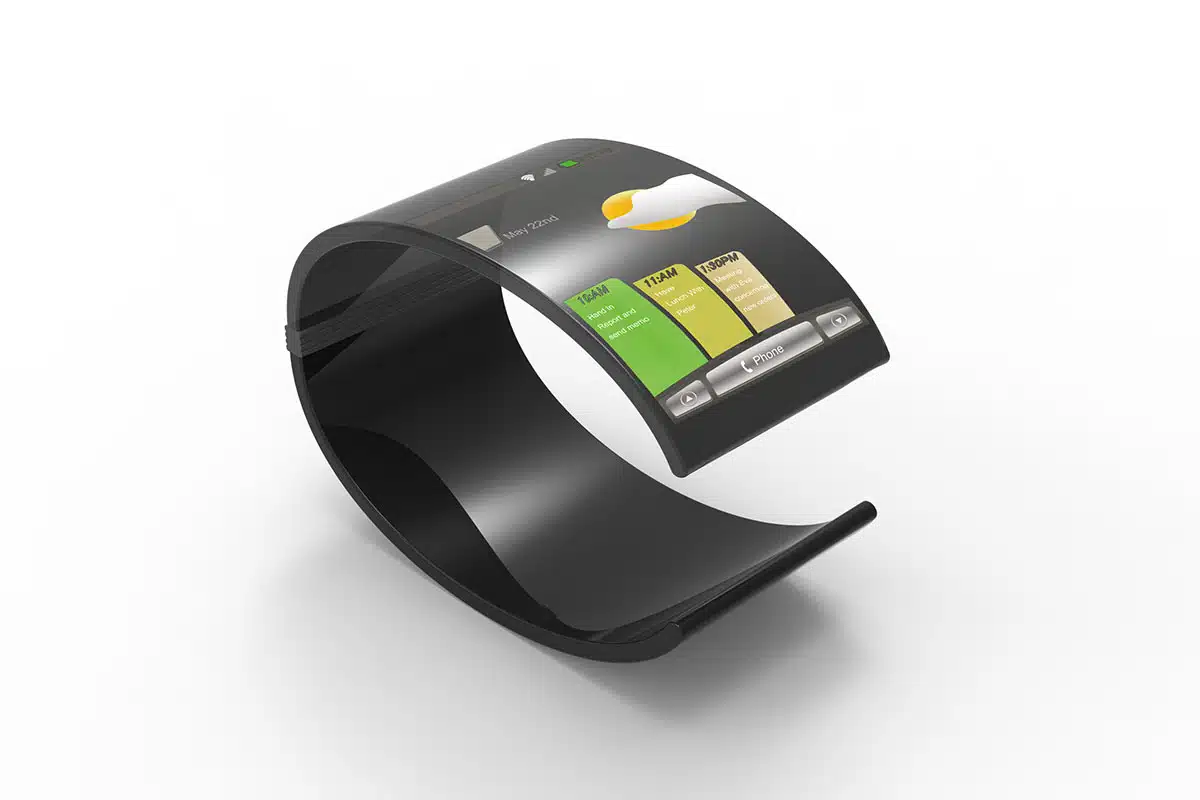
Rapid prototyping is made possible by new advances in technology, such as the FlexBoard, which was developed by MIT researchers. The FlexBoard is a flexible breadboard that allows rapid prototyping of objects with interactive sensors, actuators, and displays on curved and formable surfaces. Because of the FlexBoard’s design, it allows for more rapidly customizable interfaces.

A man and a woman, standing at a desk in a manufacturing facility, looking at a laptop computer screen.
With rapid prototyping, designers and engineers can immediately update designs based on real-world testing.

Other advanced prototyping technologies include computer-aided design (CAD) and additive manufacturing, more commonly known as 3D printing. Almost all rapid prototyping involves CAD, a technology that relies on a computer to help in the creation, modification, analysis, and optimization of a design. CAD allows for the design and production processes to blend seamlessly, since an electronic output file from the software leads directly to the part production, with changes able to be made at any time during the workflow. 

The auto industry was among the first to embrace rapid prototyping, but other industries were not far behind. Today, electronics manufacturers are creating rapid prototype circuit boards for a wide variety of applications, particularly for products that have no leeway for error—such as defense, medical, aerospace, and robotics devices.

Why is Rapid Prototyping So Important?

The time and effort needed to get a sophisticated electronics product to market is legendary, and the growing complexity of these devices isn’t making it any easier. But a concurrent development is. CAD was one of the first rapid prototyping technologies developed, and it has sped up the development process for new products considerably. Now the addition of a newer technology, 3D printing, is cranking up the speed even more.

And that’s a good thing, because semiconductors—and the devices they enable—are evolving more quickly than ever. Customers now expect significant improvements to existing products on a regular basis. And new products have to dazzle. Rapid prototyping is what makes that possible, by optimizing development and production in seven important ways:

3D printing allows designers to create non-planar electronics with unique form factors.
  • Efficiency: Rapid prototyping techniques provide more efficiency during the R&D process. With traditional prototyping, engineers frequently wait weeks to receive a prototype from a short-run manufacturer—only to discover the need to start again. With rapid prototyping, designers and engineers are now able to produce prototypes in a matter of hours so they can immediately update designs based on test results.
  • Cost-effectiveness: The increased efficiency of rapid prototyping also saves money. With rapid prototyping, companies can test boards and find problems before a production run—saving both material and employee time. Furthermore, rapid prototyping accelerates the testing and verification process, reducing the overall manufacturing and design costs for a project.
  • Better Components: Iterative design is a cyclical methodology for prototyping, testing, analyzing, and refining. This methodology enables manufacturers to produce the best electronic components possible. In the past, it was not always possible to produce an accurate prototype board that allowed designers to determine how best to modify a board layout for optimal performance. The efficiencies of rapid prototyping, however, support iterative design and therefore more highly refined components.
  • Fewer Supply Chain Challenges: Supply chain challenges have affected many industries, including electronics. You can’t create a prototype if you don’t have the materials. Fortunately, additive manufacturing technology provides a simple solution: create it yourself on a 3D printer.
  • Flexibility in Materials: Additive manufacturing systems are more flexible with regards to materials than tools typically used in traditional prototyping. The 3D printers used with rapid prototyping can accommodate a wide variety of materials, such as plastic, powders, resins, metal, and carbon fiber.
  • Flexibility in Design: Designers are no longer limited to creating rigid planar PCBs. Because of its layering properties, 3D printing allows designers to create non-planar electronics with unique form factors, as well as integrate functionality on to a single board. Rapid prototyping also allows testing of complex designs that would otherwise be costly and time-intensive to produce. For example, with a perfboard or a stripboard there are soldering limitations and track destruction challenges that don’t exist with rapid prototyping.
  • Small Batch Runs: With traditional prototyping, it’s often not practical to produce a small batch of PCBs. With rapid prototyping, on the other hand, it’s feasible to produce limited batches of 5 to 100 units.

The Future of Rapid Prototyping for Electronics

Innovative new technologies, such as advancements in CAD and other design tools, will continue to increase the use of rapid prototyping. And as more robust systems and materials for additive manufacturing become available—and more affordable—rapid prototyping of electronics will become more widely adopted and better integrated with traditional manufacturing and assembly steps.

These developments are already well under way. Artificial intelligence (AI), for example, is expanding into multiple disciplines, and the area of rapid prototyping is no exception. As AI improves, it will continue to be integrated into rapid prototype development, with the ultimate goal of more data-driven decisions and seamless testing.

How far can this trend go?

Despite all the advances in CAD, additive manufacturing, and AI, full automation of electronics manufacturing remains a distant goal, according to All About Circuits, one of the world’s largest, independent online communities for electrical engineers. That said, it is certain that strategies like rapid prototyping will continue to move the industry forward and remove previous barriers. As with most developments in electronics manufacturing, the limits of rapid prototyping technologies have yet to be reached.

An Electronics Contract Manufacturing Partner You Can Rely On

Our flexible, customized electronics manufacturing and logistics services are supported by highly skilled staff and driven by a commitment to quality that extends to all the services we offer. From streamlining product designs for greater efficiency, to high-precision manufacturing, to supply chain management, shipping, and recycling services, our team can help you get the most from your product’s entire lifecycle.

In 1957, a researcher named Joseph P. Mammola developed a new technique for PCB assembly that helped usher in second-generation computing: through-hole technology. That technology was the gold standard until the 1980s, when it was largely supplanted by surface-mount technology (SMT), which allows for increased automation of the assembly process. Today, the SMT process is the dominant choice for PCB assembly, offering improved efficiency, cost-effectiveness, and better performance. But to reap these benefits, you need the expertise of certified SMTA engineers.

How can qualified engineers streamline and optimize manufacturing to provide reliable electronic products that customers demand? Here are five essential areas where EMS engineers, qualified in the SMT process, can add a critical edge to the manufacture of your product.

Design for Manufacturability and the SMT Process

Engineers play a vital role in optimizing your product’s circuit board. Even before tooling starts, qualified SMT process engineers can examine and assess design files, including schematic diagrams and assembly drawings, to identify potential issues. Approaching design problems early in the process results in improved manufacturing efficiency and reduced waste.

Getting the most from these reviews means working with SMT engineers who are knowledgeable in design for manufacturability (DFM) and have an extensive background in board design. Design-savvy engineers can evaluate board files and suggest reconfigurations that simplify assembly and replace scarce custom parts with readily available standard ones. These design reviews can also lead to modifications that enhance yield rates and minimize rework at a later stage.

For some electronic devices, a balance has to be struck between DFM best practices and product performance levels. If this is the case, you should be able to count on your EMS engineers and their teams to explain the situation and review options.

Design-savvy engineers can evaluate board files and suggest reconfigurations that simplify assembly and replace scarce custom parts with readily available standard ones.

A woman and a man in glasses seated at a table in a manufacturing facility, examining one of the components of an electronics device.
Reviewing component selection in the design phase can reduce production costs and optimize product performance.

Component Selection and Cost Reduction

Selecting appropriate components is crucial for cost-effective electronic manufacturing. SMT process engineers, who have a deep understanding of electronic components, can provide valuable insights into parts selection.

Before production starts, engineers should review a product’s bill of materials (BOM) and Pick-and-Place (PnP) files to gather important information about component type and placement.

Armed with this information, engineers can select components that will set the foundation for a product’s commercial success. For most devices, it’s best to avoid nonstandard components that require hand-soldering and instead choose readily available parts that can be installed using machine-based processes, ensuring greater consistency and streamlining the assembly process.

Experienced engineers can identify off-the-shelf components that offer custom-part performance at a lower cost. Moreover, working together with your EMS provider’s procurement team, they can evaluate the availability and reliability of components, ensuring long-term sustainability and reducing the risk of supply chain disruptions.

By leveraging the knowledge of SMT process engineers, component selection can be optimized to significantly reduce manufacturing costs without compromising performance or durability.

In addition to selecting the most effective components, SMT process engineers can use the information from PnP files to optimize the placement of these parts on the board, so that the orientation and spacing of microchips and other components meets all manufacturability and testing requirements, delivering the best performance possible.

Design for Testability and Regulatory Compliance

Manufacturing a reliable electronic product cannot be done without thorough and efficient testing. Whether custom or standard, testing the components and configuration of a PCBA is an essential part of the manufacturing process.

For the most efficient testing, SMT process engineers use design for testability (DFT) guidelines that optimize testing during the manufacturing process, ensuring that any potential defects or issues are identified early on. Engineers can strategically place test points, incorporate built-in self-test features, and design for automated testing, all of which contribute to faster and more accurate testing procedures. By catching problems early, significant time and costs associated with diagnosing and rectifying issues during later stages of manufacturing or even post-production can be saved.

In addition to DFT know-how, qualified SMT process engineers can also provide essential guidance during any certification processes, ensuring that products meet safety, electromagnetic compatibility, and other regulatory requirements. This expertise mitigates costly recalls, legal repercussions, and potential damage to a brand’s reputation.

Engineering expertise and a proactive approach to testing and quality assurance minimizes the risk of defects and ensures that only high-quality products reach the market.

Prototyping and Iterative Development

Before mass production, most products benefit greatly from testing and development with the use of small-run prototypes. SMT process engineers who also have expertise in prototyping technologies and methodologies can enhance and accelerate this product development cycle.

By quickly producing functional prototypes, engineers can provide valuable feedback, validate designs, and ensure that necessary improvements are adopted early on. This iterative approach minimizes the risk of expensive errors and redesigns, ultimately reducing time-to-market and ensuring a high-quality end product.

Working with experienced engineers throughout the prototyping and design phase of your product’s development will ensure you get the most out of each design iteration.

End-of-Life Benefits and Sustainability

With sustainability on the mind of many consumers, the lifecycle of electronic products is increasingly under scrutiny.

That’s why it’s more important than ever to work with SMT process engineers who are well-versed in sustainability considerations for electronic products—experts who can consider materials sourcing and end-of-life recycling options during the design phase and find ways to mitigate the negative environmental impact of a product. 

Experienced contract manufacturing engineers enable companies to produce products that have boards with a lower VOC conformal coating and are configured to use less electricity. They can incorporate components which are easily harvested for resale or recycle at the end of the product’s lifecycle. And they can even design products that can be opened up and modified by the end user.

SMT process engineers can configure boards for easy resale or recycling of components at a product’s end of life.

Finding the Right SMT Process Engineers

SMT process engineers don’t just play a key role in a product’s design and development, they can also provide valuable post-production support, such as troubleshooting, failure analysis, and product improvement. And by analyzing field data and customer feedback, they can identify areas for enhancement and implement design updates or manufacturing process refinements. And with supply chains for electronics components still in flux, SMT process engineers are proving invaluable at redesigning existing products whose components are no longer available or in short supply.

So how do you make sure you’re working with experienced engineers?

One way is to make sure the engineers you’re working with are properly certified. The Surface Mount Technology Association (SMTA) offers a certification that can help identify high-caliber talent. Known as the SMTA certification, or the SMT Process Engineer certification, it offers global recognition for engineering expertise.

Working with SMTA-certified engineers means your product manufacturing is being overseen by a distinguished group of only 538 certified engineers worldwide. These highly trained, experienced SMT process engineers have the expertise to ensure that your electronics device is optimized for functionality, quality, and reliability. And they can help you reach these performance goals while minimizing manufacturing costs.

Electronics Manufacturing Expertise that You Can Rely On

At PRIDE Industries, our flexible and customized electronics manufacturing and logistics services are supported by highly skilled, SMTA-certified engineers and driven by an unwavering commitment to quality. From streamlining product designs for greater efficiency to high-precision manufacturing and end-of-life product management, our experienced staff can help you achieve all your manufacturing goals.
The road to employment for people with disabilities shouldn’t be rocky, but for Eliza Valtierra, it was. And for many individuals like Eliza, born with a disability, difficulty finding employment is just one of many hurdles—some dating back to childhood.

“When I was born, something was already wrong with my ears,” said Eliza.

Eliza doesn’t recall the exact diagnosis, but she remembers that treatment included the puncturing of both of her eardrums, making the situation worse rather than better.

When she was 13 and her ears were finally retested, Eliza discovered that she had 50 percent hearing loss in each ear. By this age, Eliza was enduring more than her share of bullying at school. Kids often thought she was ignoring them or, at times, thought she was too loud or too quiet—the result of her not knowing how to modulate the volume of her voice. Unfortunately, bullying would follow Eliza into her first jobs.

At sixteen, working as a dishwasher at an Italian restaurant, Eliza couldn’t hear the chef or her coworkers.

“They didn’t believe I couldn’t hear them,” she said. “So, they’d throw big balls of dough at me. Really big, and with force. I’d get bruises.”

It didn’t go much better at other jobs or even when Eliza eventually attended community college, where she strived to attain her AA degree in Criminal Justice until her work schedule began to erode her GPA. Finally overwhelmed, she stopped just six months shy of graduation.

Since becoming an electrician, Eliza has continued to thrive in her career. She is one of the electrical shop’s top producers and has received numerous positive Interactive Customer Evaluation (ICE) comments (the equivalent of employer feedback) from our military customer at Fort Bliss.

If there was an upside to leaving school, it was that Eliza—despite the bullying she’d endured early on—loved to work. But, deep down, she knew she wanted more than a job. She wanted a career. Then, at 22, driving down the street, she saw a billboard.

From a Job to a Career

“The billboard said something about becoming an electrician,” said Eliza. “I thought I want to do that, and that’s when my journey to becoming an electrician started.”

Soon after, Eliza started classes at El Paso Community College’s Advanced Technology Center. There she met a master electrician who recommended she simply become an apprentice at an electrical company, where she could begin accruing hours toward her journeyman’s license while working in the field.

And that’s exactly what Eliza did. From 2014 to 2017, she accrued hours and learned the electrical trade. Then, when she was 25 while seeking cost-effective hearing aids through Deaf and Hard of Hearing Services (DARS), a counselor there told her about PRIDE Industries—specifically, a job there that matched her skill set.

After a couple of calls, Eliza began working with PRIDE Industries Recruiting Counselor Cynthia Baca. Soon after that, she was hired by PRIDE Industries as a maintenance trade helper for its Fort Bliss customer.

“I assisted the electricians and general maintenance workers on their trucks,” said Eliza. “Doing all I could to make their jobs easier.”

Once on the job, Eliza also worked with Job Counselor Brianda Hernandez.

“She made sure I was being treated well and had assistive devices if needed,” said Eliza.

For a year, Eliza worked in this capacity, accruing the final hours toward her journeyman requirement. Then, in 2018, after passing the journeyman electrician test, she was promoted to General Maintenance Worker and, in 2019, to her current position as a PRIDE Industries electrician.

During this time, Eliza met a coworker who knew American Sign Language (ASL).

“He taught me while we worked swing shift together,” said Eliza. “We’d spend the second half of our shifts signing while we worked.”

As Fort Bliss boasts a large Deaf community, knowing ASL came in handy. The skill became imperative when, a year after arriving at the fort, Eliza met the man who would become her husband, a fellow PRIDE Industries employee.

“My husband is deaf,” said Eliza. “So, it’s good that I learned ASL fast. I know it pretty well now.”

Thriving in Her Career

Since becoming an electrician, Eliza has continued to thrive in her career. She is one of the electrical shop’s top producers and has received numerous positive Interactive Customer Evaluation (ICE) comments (the equivalent of employer feedback) from our military customer at Fort Bliss.

In 2022, she was also named Employee of the Year by PRIDE Industries management at Fort Bliss.

On top of all this, Eliza was selected by Don Nelson, PRIDE Industries Vice President of Government Facilities Services, to attend the SourceAmerica® Conference in May 2023. SourceAmerica® is a leading job creator for people with disabilities.

“I selected Eliza for the great work she’s done at Fort Bliss,” said Don. “This was an opportunity for her to learn more about Source America’s AbilityOne® program and what it can do for employees with disabilities. I trusted she’d be able to message that back to the Fort Bliss team from her perspective.”

Eliza’s work ethic expands beyond her role at PRIDE Industries.

In her spare time, she volunteers with the Home Builders Institute (HBI), teaching introductory electrical classes to soldiers transitioning from the military. And she does all of this without falling behind in her work duties.

Advice to People with Disabilities Seeking Employment

Eliza has become an advocate when it comes to employment for people with disabilities. When asked what advice she’d offer others with disabilities who are considering reaching out to PRIDE Industries, she was quick to say, “You don’t need to be scared. PRIDE Industries will assist you every step of the way.”

She recommends that people call the I AM ABLE Employment Helpline to get started.

A Bright Future

Top producer. Employee of the Year. Source America Conference representative. Volunteer teacher. Through tenacity and hard work, Eliza has come a long way since her days spent in the path of flying dough balls.

And her future career goal?

“I’d like to be a supervisor one day,” she said.

If her employment trajectory since joining PRIDE Industries is an indicator of future success, that and more are surely possible for Eliza.

The path to employment for Deaf employees, can be a long one. And when that journey mandates learning two new languages, it can also be steep.

“From what I know, I was born deaf,” said Jesus Rosales, Facilities Supervisor for PRIDE Industries’ carpentry shop at Fort Bliss. “But at that time, my family didn’t have the resources to know about deafness.”

That was 1977. Soon after, in 1980, three-year-old Jesus and his family immigrated from his birth country of Mexico to Texas. By age eight, Jesus was enrolled in Amarillo Day School’s program for Deaf students where he came to understand more about Deaf culture. It was there that he began learning both English and American Sign Language (ASL) at the same time. Learning two languages at once was challenging, but it got easier when Jesus entered high school at the Texas School for the Deaf.

“We used ASL along with Signing Exact English (SEE) there,” said Jesus. “Then I was on a roll.”

Indeed, he was, both academically and athletically. Sophomore, junior, and senior years found Jesus not only earning recognition in the Honor Roll Society, but also as Best Defensive Player for football, Best Distance Runner for track, and Most Dedicated Player in baseball—a sport he still plays and now teaches.

“I knew right away that Jesus was a dedicated hard worker. He also has integrity and can be trusted to do the right thing when nobody is looking.”

A Few More Hills to Climb

After graduating from high school, Jesus spent a year employed as a computer technician before enrolling in Southwest College for the Deaf. There, he spent three years becoming certified as a dental lab worker.

“I worked in dental, but not for long before I moved,” he said “I also spent a year setting up equipment for musicians. Then, for three years, I worked night shifts at Walmart.”

While his Walmart managers loved his work, Jesus was growing weary of nighttime hours and, by age 32, he was ready for a more challenging vocation with room for growth. That year, 2009, an opportunity arrived.

“A friend mentioned PRIDE Industries,” said Jesus. “There were better jobs that I was qualified for—and better yet, they were during the day.”

Jesus also saw that PRIDE Industries specializes in employment for people with disabilities, including employment for Deaf people. So, that summer, he applied online at the social enterprise’s website. Soon he was working with PRIDE Industries Recruiter Cynthia Baca, as well as a job coach who translated in ASL during Jesus’ interview.

“It was a whole new ball game from then on!” said Jesus.

From Jobs to a Career

Jesus was hired as a general maintenance laborer (GML) for PRIDE Industries’ Roads and Grounds shop at Fort Bliss. Soon after, he applied for and got a position as a general maintenance worker (GMW) in the Between Occupancy Maintenance (BOM) department.

“That’s when I was really introduced to carpentry,” he said. “Fixing doors, floors, ceilings, and walls.”

“I knew right away that Jesus was a dedicated hard worker,” said William Green, Assistant General Manager of Operations for PRIDE Industries at Fort Bliss. “He also has integrity and can be trusted to do the right thing when nobody is looking.”

Jesus spent the next eight years cultivating his carpentry expertise as well as his leadership skills and discovered that one of his strengths was particularly useful.

“I found that I’m good at visually training others,” said Jesus. “It works better for some Deaf people than writing it all down. I show them instead.”

Because Fort Bliss employs many Deaf individuals, this skill is especially important, but it’s also helpful for hearing employees.

“Many of our employees, Deaf and non-Deaf, learn best by being shown the task,” said William. “Jesus rolls up his sleeves, goes out to the jobsite, and shows people how to do it. This hands-on approach also builds esprit de corps (team spirit) and trust between supervisor and employees.”

Leadership Skills

In 2018, Jesus was promoted to GMW lead—a role he excelled at. Then, in 2020, he was promoted again—this time to supervisor. In each case, he was selected based not only on his overall job performance, but also on his leadership skills.

“Being a supervisor is the hardest position, in my view,” said William. “They are where the rubber meets the road as far as getting things done, making decisions that are sometimes unpopular, and taking care of our employees.”

These days, Jesus can be found leading his team in completing any number of carpentry tasks, from conducting extensive cosmetic work to repairing masonry to reshingling roofs. Recently, he also broadened his leadership skill set when he was selected to be part of the team that created PRIDE Industries’ new core values: Integrity, Tenacity, Teamwork, and Innovation.

“Jesus is a positive role model for everyone here,” said William. “And the fact that he was asked to sit on some corporate committees to give his perspective—that’s a testament to his value as a leader.”

A Bright Future

As for Jesus’ future, his supervisor, William, is the first to say that it’s bright.

“His potential for growth has factored into his promotions,” says William. “Going forward, Jesus has what it takes to do anything he wants to do in life.”

And Jesus’ thoughts on his future?

“I plan to continue advancing my career at PRIDE Industries,” he said.

Supporting Deaf Employees

Jesus sees potentially bright futures for others, too. When asked for his thoughts on employment for Deaf people at PRIDE Industries, he said, “The possibilities are endless. There’s training. There’s hands-on work. If you don’t know exactly what to do, we are here with support, accommodations, and training that other companies don’t have.” And now, for all those with disabilities seeking employment, a simple call to PRIDE Industries’ I AM ABLE Employment Helpline can get the process started.

It’s been quite a journey for Jesus, including the mastery of three languages: Spanish, English, and ASL. Some might argue that he’s mastered a fourth: The language of leadership.