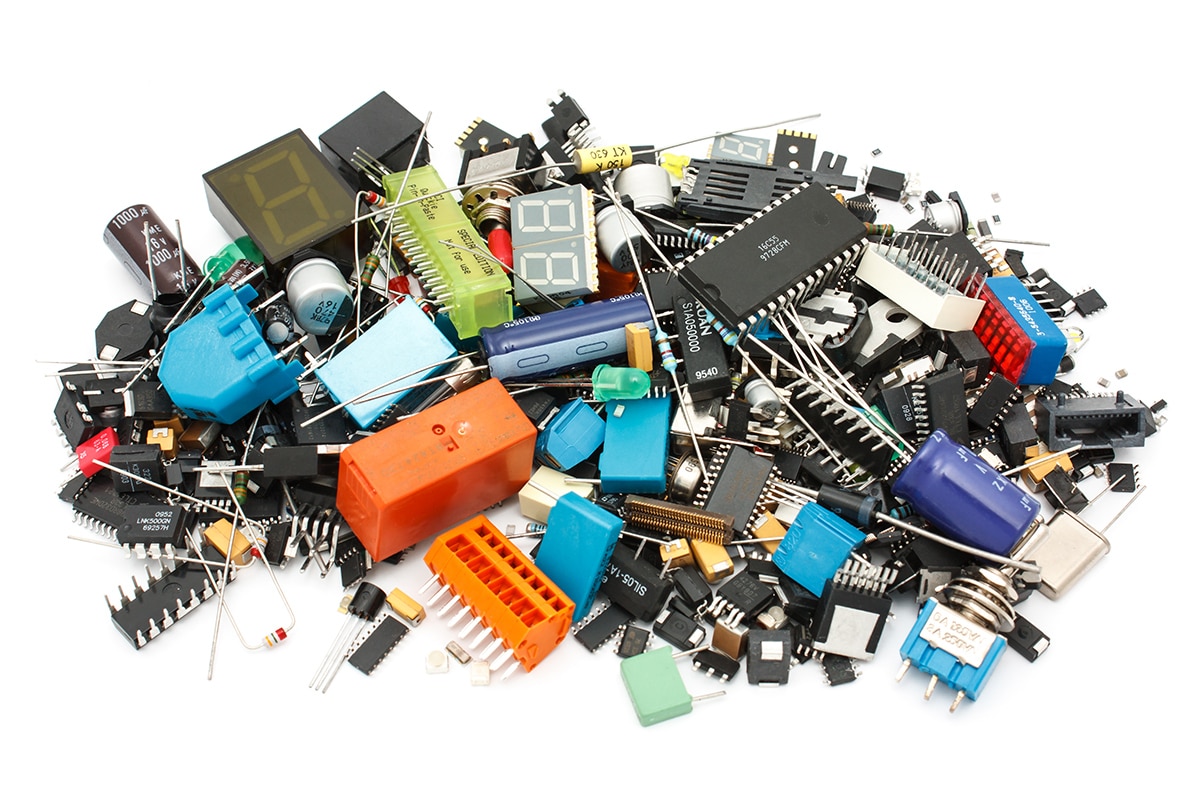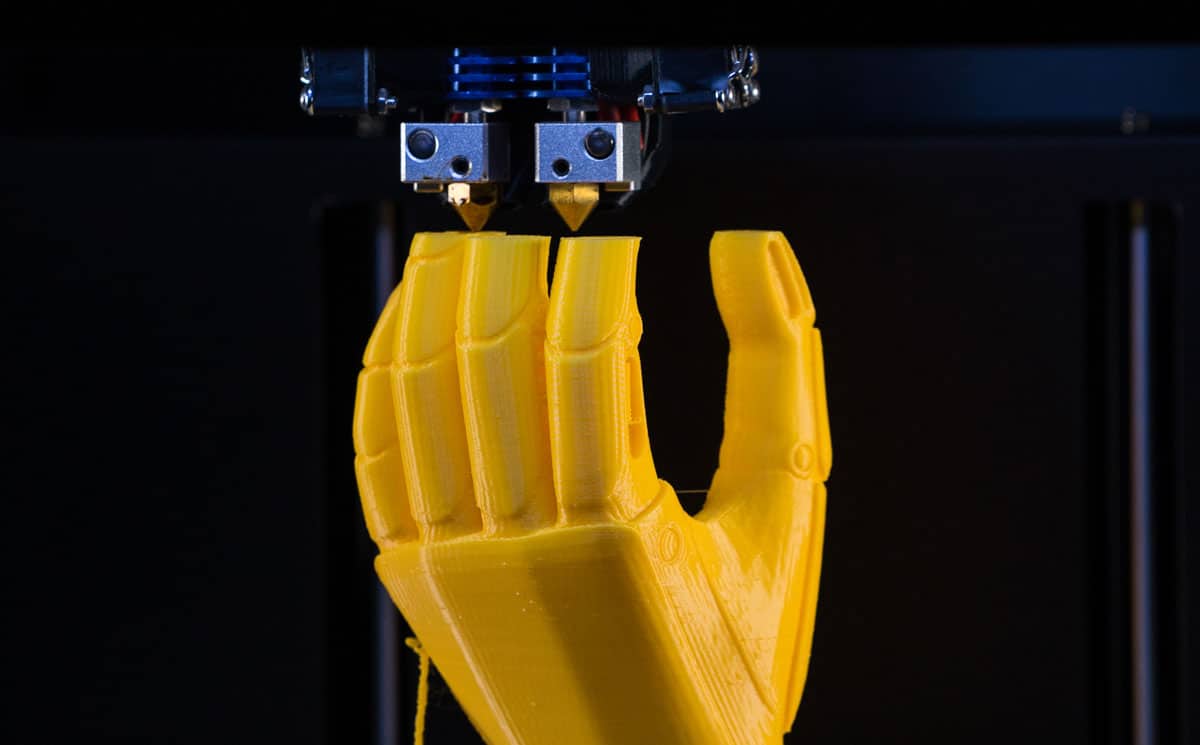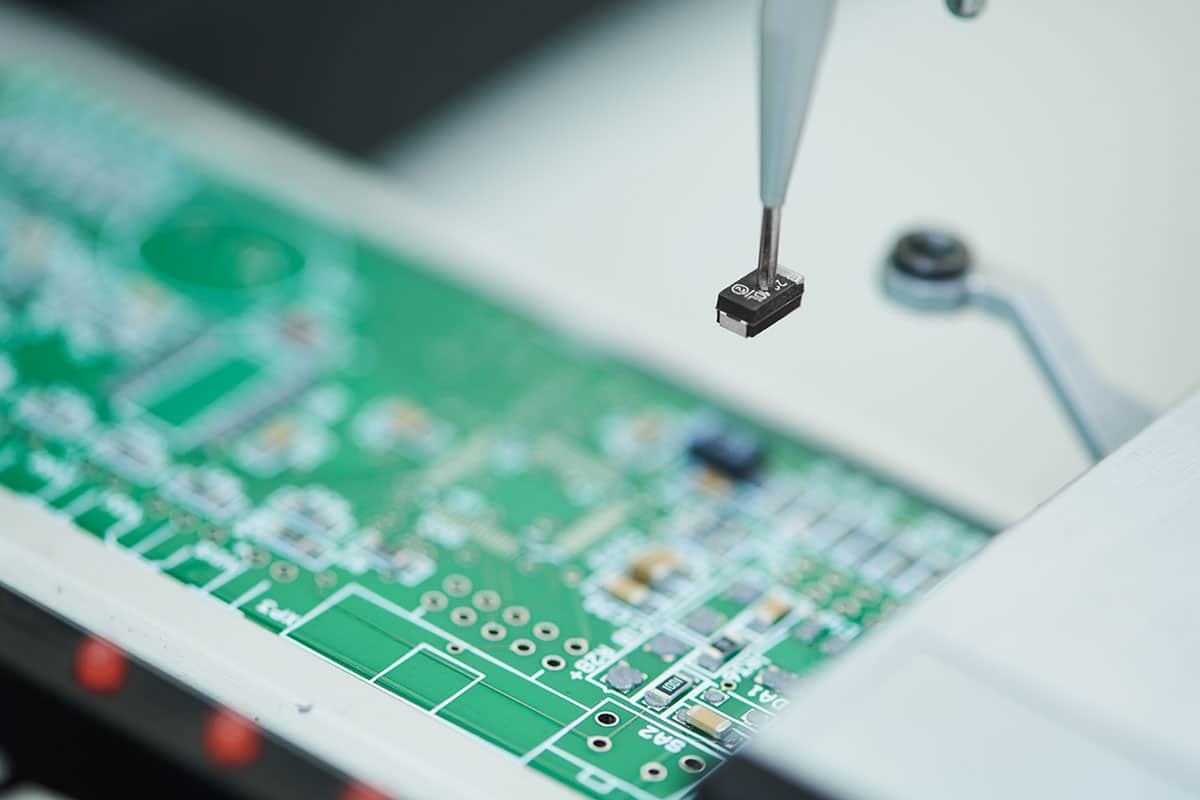
Electronics Manufacturing

From Segway scooters to Google Glass, the electronics market is littered with products that didn’t live up to their hype. It’s because of missteps like these that failure is often touted as a necessary stop on the path to success. But it’s never the preferred outcome, and while a new product introduction always carries some risk, there are steps that companies can take to reduce that risk—including finding the right electronics manufacturing services (EMS) partner.

According to Fortune Business Insights, the consumer electronics sector was worth $738.75 billion globally in 2022, and this number is expected to rise to over $1.2 trillion by 2030. Other sectors—like aerospace technologies and medical devices—are also seeing healthy growth. This means there are plenty of opportunities for innovative companies, but to make the most of them, you must do more than just design and build a great product—you have to plan for success. The fact is, a well-conceived new product introduction (NPI) plan can make the difference between releasing the latest must-have device or a soon-to-be-obsolete flop.

Building a New Product Introduction Plan

Ideas may abound for creative new electronics, but can these ideas be manufactured cost effectively and at volume? A New Product Introduction (NPI) plan can help you answer this question. The NPI process for a new product starts at the concept stage, and includes the working prototype, mass production, and commercialization stages. In other words, NPI looks at the product from the viewpoint of manufacturing. While incorporating NPI processes in the development of a new electronic device won’t eliminate every risk, employing a multi-step NPI plan, one that takes a product from ideation to viable manufacturing, can help companies gain a competitive edge. 

While incorporating NPI processes in the development of a new electronic device won’t eliminate every risk, employing a multi-step NPI plan, one that takes a product from ideation to viable manufacturing, can help companies gain a competitive edge.

Depending on its scale and complexity, a new electronic product can take anywhere from nine to 36 months to develop. However, scale and complexity are not the only factors that determine the time it takes to bring an electronic product to market. The ability to meet deadlines, the reliability of the supply chain, and the expertise of your design and engineering team are all factors that will influence the time—and therefore the money—that you spend on development. A robust NPI plan takes these elements into account and can be a powerful tool for minimizing roadblocks and keeping product development on track.

While the early stages of new product ideation can be performed in house, once the product’s design is under way, costs and risks can be reduced by partnering with an EMS provider that has deep experience in every stage of the product lifecycle, from concept to end-of-life planning. Having this expertise on hand is vital, especially in the early development phases. A product that works well in the prototype stage is not always a success when it goes into mass production, and partnering with an experienced EMS provider at the design and prototyping stages can save you headaches down the line. This is especially true when it comes to the PCBA—the heart of many electronic products.

Stages of New Product Introduction for Electronics Manufacturing

So, what is involved in NPI planning? Often depicted as a funnel, with many ideas going in the large end and a final product emerging at the other, an NPI plan is a framework for a smooth path that takes your initial concepts and develops them into a market-ready product. Making decisions in the right sequence is at the core of a successful new product introduction. A good NPI plan will be well ordered, with stages and go/no go points that ideas and designs pass through before the product is brought to market. Those stages typically include the following:

Concept/Ideation

An engineer seated at a desk with two computer monitors, looking at a prototype PCBA
DFM best practices should inform the go/no-go decision points of your NPI plan.

A new product starts with an original idea, concept, or design. This is the brainstorming stage, in which ideas are hashed out. This is the time to draw upon comprehensive market research that clearly identifies customer needs, so that your team can achieve the best design and develop a clear vision for the new product. By the end of this stage, the product concept should be clearly defined, a new product development team identified, and a project plan sketched out in detail.

Feasibility or Proof of Concept

Now that the product concept has been established, it’s time to test its feasibility, identify its must-have features, and determine the technical specifications needed to deliver these features. Now is a good time to apply Design for Manufacturing (DFM) principles, in order to ensure that the new device can be produced cost effectively while meeting quality and regulatory requirements. DFM principles should also be applied to the design of the enclosure and even the packaging. Once these designs have been optimized, it’s time to build a model.

Development and Prototyping

Next up is prototyping, which involves creating models of the product to validate its design and functionality. This step helps identify and rectify any issues before moving forward. Rapid prototyping technologies can significantly reduce the time and cost associated with this phase. This is also the stage in which component choices are finalized and supply chain resources are identified, in preparation for full production.

Validation and Pre-Production

By this stage, you’ll likely be working with a small batch of products that display the full range of desired features. Now is the time to thoroughly evaluate manufacturability, cost, and production timelines, and make any necessary changes. The validation process should be rigorous, and include functional, reliability, and regulatory compliance testing. You may find that some components need to be changed and the bill of materials (BOM) adjusted—an important step before moving on to full production.

Manufacturing Readiness

With a DFM-optimized BOM and thoroughly tested designs in hand, the focus shifts to preparing for mass production. A pilot launch of the product will show you where manufacturing needs to be fine-tuned. Then, once that step is completed, you can begin ramping up production.

Mass Production and Evaluation

As volume production increases, be sure to monitor the production line and adjust as needed in order to optimize production efficiency and quality. And once your product is on the market, seek out customer feedback—sometimes you can respond to a perceived fault or a change in consumer tastes with a small tweak to your processes.

Ensuring NPI Success With an Experienced EMS Provider

While a good NPI plan is organized with stages and decision points, be careful not to make your plan so rigid that it chokes innovation. Allowing for some flexibility, instead of unthinkingly complying with an NPI plan, will land you in the sweet spot where productive creativity can thrive.

Achieving this type of creative flexibility requires clear communication across engineering, design, marketing, and quality control teams. And keep in mind that your team includes your EMS provider’s engineers, who should be both reliable in meeting deadlines and available when you need to discuss tweaks to design or manufacturing. Along with a strong NPI plan, a cohesive team will offer you the greatest chance of producing a winning product.

With that in mind, let’s look at some of the advantages a strong NPI plan offers, along with some pitfalls you should avoid and what you should expect from your EMS provider.

Reduced Time to Market

One of the primary benefits of a robust NPI plan is its ability to accelerate the time-to-market for new electronic products. With each stage of development planned out, the product can move smoothly and efficiently from concept to production. Getting your idea launched expediently enables you to meet market demand and gives you a competitive edge.

Conversely, rushing through the development phase to meet aggressive deadlines can lead to design flaws, inadequate testing, and ultimately, product failure. It’s crucial to strike a balance between speed and thoroughness.

Cost Efficiency

Having a robust NPI plan in place enables you to rectify design inefficiencies and refine manufacturing processes—leading to substantial cost savings. And here’s where an EMS provider with experienced engineers on staff can make all the difference. Tech-savvy engineers can optimize your design layout using readily available components, lowering materials costs and reducing assembly time.

On the other hand, rushing through an NPI plan—by not sticking to a design freeze, for example—can lead to budget overruns and eroding profit margins. The fact is, every go/no go decision point in your plan functions as a cost-control mechanism, so don’t make these decisions lightly.

Enhanced Product Quality

Four manufacturing technicians, wearing blue shirts, at a workstation building electronics devices
Your new product introduction will go more smoothly if you rely on readily available components instead of custom parts.

A strong NPI plan incorporates rigorous testing to ensure that the final product meets quality and performance standards. This translates into higher customer satisfaction and a sterling brand reputation. On the other hand, cutting corners on testing can lead to product defects, recalls, and—eventually—damage to a company’s credibility. So make sure that the EMS provider you work with is well-versed in DFT principles, and can ensure that your NPI plan includes the optimal testing for your product.

Supply Chain Optimization

Your NPI plan should account for the current state of your supply chain, in order to ensure a reliable source of components and minimize disruptions. Whenever possible, opt for readily available components instead of custom parts. And if it’s feasible, try to source domestically, as this will lower your risk of supply chain disruptions. Neglecting supply chain risks, which also include geopolitical issues, can disrupt production and delay your time to market.

For these reasons, it’s important that your EMS provider have a deep understanding of global supply chain dynamics and strong relationships with a wide range of suppliers. This enables them to draw upon alternate sources if needed, ensuring a reliable and timely supply of vital components.

A Plan for Success

Whether your company is large or small, having a carefully conceived NPI plan for each product you produce will improve your bottom line. Whether you’re manufacturing a medical device, an aerospace component, or a consumer gadget, creating and following an NPI plan will help you get to market faster with a product that is both reliable and easy to manufacture.

An Electronics Manufacturing Partner You Can Rely On

Are you looking for a full-service, DFM-savvy contract manufacturing partner? Our customer onboarding process includes the development of a robust NPI plan, and our longstanding partnerships with top-tier distributors give us unparalleled procurement capabilities. In addition, our manufacturing services include electromechanical, cable and harness, and SMT/TH PCB assembly, as well as BOM analyses with component validations, Class I and II medical device capabilities, and a full range of kitting, fulfillment, and logistics services.

October is National Disability Employment Awareness Month and, amid the manufacturing skills gap—there aren’t enough skilled workers in the country—it’s a great opportunity to call attention to one of the most underused talent pools in the country—people with disabilities.

It’s no secret that labor shortages and high turnover rates continue to plague the manufacturing sector, with about 40 percent of employees calling it quits yearly, according to the Bureau of Labor Statistics—44 percent in 2020, 39 percent in 2021, and 40 percent in 2022. Turnover is a drag on productivity and the bottom line, with recruiting, onboarding, and retraining costing from $3,500 to $10,000 per employee.

According to the 2023 Career Advancement in Manufacturing Report, 82 percent of manufacturing companies are experiencing a labor shortage. The numbers don’t lie. Earlier this year, the U.S. Chamber of Commerce reported 693,000 open manufacturing jobs. Even more concerning: A study by Deloitte and the Manufacturing Institute found that the manufacturing “skills gap” could result in 2.1 million unfilled jobs, costing businesses a trillion dollars by 2030.

Diversifying Talent Pipelines to Ease the Manufacturing Skills Gap

Deloitte’s solution? Turn to underrepresented communities.

A landmark Accenture study found that companies that actively include employees with disabilities achieve 28 percent higher revenue, double the net income, and 30 percent greater profit margins than those that don’t.

“It is deeply concerning that at a time when jobs are in such high demand nationwide, the number of vacant entry-level manufacturing positions continues to grow,” said Paul Wellener, Deloitte vice chairman and U.S. industrial products and construction leader. “To attract a new generation of workers, the industry should work together to change the perception of work in manufacturing and expand and diversify its talent pipeline.”

Finding Hidden Labor Pools

When it comes to diversifying its talent pool, InterMotive Vehicle Controls in Auburn, California, is ahead of the game. Co-founders Linda and Greg Schafer were searching for an outsourcing partner to manufacture some of the company’s PCBAs in 2008 when they discovered PRIDE Industries, a contract electronics manufacturer with a mission to create employment for people with disabilities.

“The company’s capabilities blew me away,” Greg said. “The people, the processes, and the technology are state of the art. But what sets the company apart are the people—I’d never seen a manufacturing floor where employees were so happy to be there.”

Fast forward 15 years, and PRIDE Industries now manufactures 46 parts for InterMotive—24 cable assemblies and 18 mid to high-volume PCBAs. Services provided include functional testing of PCBAs, using custom test fixtures designed and built by PRIDE Industries engineers. Testing time has been reduced from about six seconds to 2.5 seconds, and returned boards have all but disappeared.

Retention Benefits

“We have directly hired people with disabilities and outsourced to PRIDE Industries’ teams for going on two decades now,” Linda said. “When you take someone with an intellectual disability or a physical disability, and assess their skills and interests, give them the training and support they need, you’ll be amazed at what they can do and how much they can contribute.”

Hiring people with disabilities helps InterMotive bridge the manufacturing skills gap and increase retention. “I have employees with disabilities who started after high school and are now married and buying homes,” Greg said. “They love their jobs, show up on time every day, and are proud of their work. They really enhance our workforce.”

But the story doesn’t end there. Coincidentally, one of InterMotive’s flagship products is a wheelchair interlock—a mechanism that immobilizes wheelchair-accessible vehicles when the wheelchair ramp deploys. “Some of our employees come to work in vehicles with our products on board,” Linda said, “products they may have helped build.” InterMotive is the largest manufacturer of wheelchair interlocks in North America.

A Vast Labor Pool

More than 10 percent of people aged 16–64 in the United States—22 million people—have a disability. The employment ratio for this population—the percentage who are employed—hovers around 30 percent, while the rate for persons without a disability in the same age group is about 75 percent.

But that’s changing, fast. In recent years, the employment-to-population ratio for people with disabilities has risen to record highs, reaching more than 37 percent, according to the monthly National Trends in Disability Employment (nTIDE) report, published by the Kessler Foundation and the University of New Hampshire.

Still, that leaves about 14 million people available for work.

A Help Wanted sign affixed to a photo of the factory floor of an electronics manufacturing company
Amid an ongoing manufacturing labor shortage, smart companies are diversifying labor pools and discovering the gifts of people with disabilities.

Proven Benefits

The business benefits of a workforce that includes people with disabilities are proven, if not well known. A landmark Accenture study found that companies that actively include employees with disabilities achieve 28 percent higher revenue, double the net income, and 30 percent greater profit margins than those that don’t.

Research published by the National Institutes of Health found that the economic benefits of hiring people with disabilities include: lower employee turnover, greater long-term retention; increased reliability, punctuality, and productivity; and greater customer loyalty and satisfaction.

Low Risk, High Reward

One of the reasons some employers cite for not including people with disabilities is the added cost of reasonable accommodations that the Americans with Disabilities Act (ADA) requires. That myth is long busted. A survey of 3,528 employers by the Job Accommodation Network (JAN) found that 49.4 percent reported that accommodating employees with disabilities “cost absolutely nothing.” The other employers incurred an average one-time cost of just $300 per employee with a disability.

Meanwhile, the Society for Human Resources Management pegs the average cost of replacing an hourly worker at $1,500 each—far more than the cost of accommodating an employee with disabilities.

Keys to Success

Another reason some companies cite for not recruiting people with disabilities is simply a lack of knowledge about how to work with them. Again, this concern is unfounded, as the folks at InterMotive well know.

Keys to InterMotive’s success with employees with disabilities are consistent assessment, training, development, and feedback—processes the company has invested in for employees of all abilities for decades. “In many ways, these employees are just like any others that walk through our doors,” Linda said. “We identify their skills and interests, find the right role for them, and give them the training and support they need to be successful and find a career path here.”

InterMotive began hiring employees with disabilities long before DEI became trendy. “We aren’t doing this because someone told us we had to,” Greg said. “We’re doing it because it makes us a better business.” And he cautions companies against hiring from underrepresented communities simply to “check a box.” He said it requires investment, but once you make it, “you realize you are more alike than different.”

“They want to work. They want to contribute,” Linda said. “Their joy is a gift.”

“I'd never seen a manufacturing floor where employees were so happy to be there."—Greg Schafer, President and cofounder of InterMotive Vehicle Controls

Solve Your Manufacturing Skills Gap with PRIDE Industries

PRIDE Industries offers state-of-the-art facilities and a full suite of electronics manufacturing, packaging and fulfillment processing, and supply chain management services. And our inclusive workforce—about 50 percent of our employees have a disclosed disability—means that working with us allows you to make a positive social impact with your business spend, while meeting consumer demand for products made in the USA.

What is product lifecycle management? A marketing strategy, devised by economists decades ago? A storage solution for engineering data? Or a tool that optimizes product development?

The answer is all three. Product lifecycle management (PLM) can be defined as a strategic approach that encompasses all the processes, tools, and methodologies needed to manage the entire journey of a product—from its conceptualization to the end of its life.

From inception to end of life, for hardware and PCBA design, PLM tools can add value to your electronic product at each stage.

PLM’s strength in product development comes from streamlining and optimizing all data, operations, and activities associated with a product’s lifecycle. It involves cross-functional teams, departments, and even external partners. For manufacturing, product lifecycle methods enable companies to increase process efficiency, enhance innovation, and improve time to market.

Given the breadth of the strategy, does the value outweigh the effort—and what net results can be expected? We’ll help uncover what’s involved and how PLM can be key in creating successful electronic products.

The Evolution of Product Lifecycle Management

Theories behind product lifecycles have been around for decades. In the 1960s, economists posited four fundamental stages for a “product life cycle”: introduction, growth, maturity, and decline. These stages began as a sales and marketing concept, but today the theory is also used as the basis for product development across multiple industries.

As with many tales of industrial innovation from the latter part of the 20th century, the evolution of PLM from a 1960s concept into a framework for streamlining manufacturing tracks with the rise of technology and computers. PLM’s journey started when electronic design came off the page and onto the computer screen with computer-aided design (CAD) and the subsequent need to manage and store engineering data.

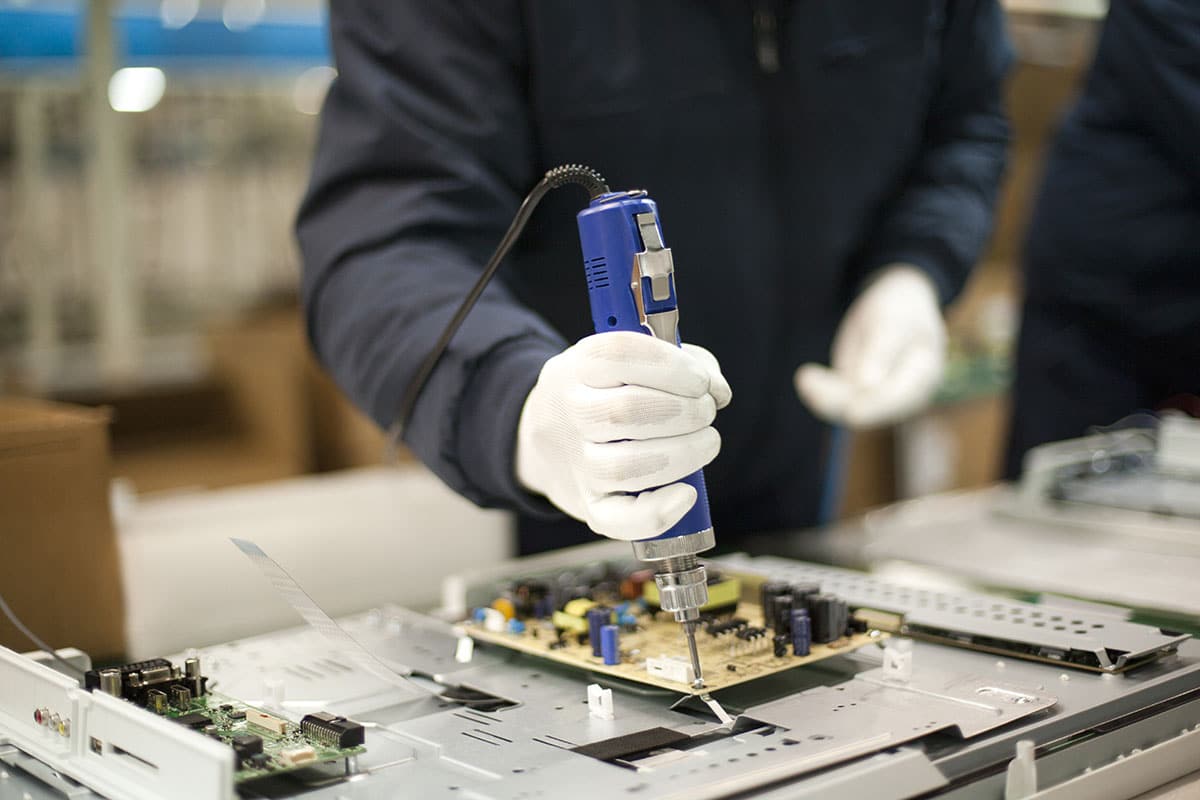
A closeup of a technician in an electronics factory, wearing latex gloves, using an electric screwdriver to attach a PCBA to a product’s shell
An important part of PLM is streamlining your production processes.

Things really took off in 1985, when automaker American Motors Company (AMC) was looking to speed up the product development process of its Jeep Grand Cherokee. To do this, the company started using CAD software and created a centralized database for the project. This centralized system enabled designers and engineers to quickly access data, which led to greater consistency and increased accuracy. This innovation was a huge success and a pioneering move toward modern product lifecycle management.

Fast forward to today, when an increased ability to store digital information and advances in processing technology have ramped up PLM’s ability to offer a holistic framework for product development that results in efficient resource allocation and reduced time to market. It’s these overwhelming benefits that led to the adoption of PLM principles across multiple industries—including electronics manufacturing.

Product Lifecycle Management Success in Electronics Manufacturing

Utilizing PLM methodologies to manage the entire journey of a product clearly benefited the auto industry. But how does this translate to the complicated and ever-changing landscape of electronics? After all, electronics manufacturing is a sector that demands cutting-edge and high-quality products that must be delivered within short timeframes to satisfy customer needs and fickle consumer tastes.

In the complex and data-dense electronics manufacturing arena, the most powerful way to harness PLM has to be through a degree of digital transformation. While product lifecycle management is essentially a strategy, the most effective implementation of that strategy will come from a cloud-based system that integrates Enterprise Resource Planning (ERP) and Supply Chain Management (SCM) systems and leverages the capabilities of emerging technologies such as artificial intelligence (AI), the industrial internet of things (IIoT), and virtual reality (VR).

These technologies have infiltrated nearly all aspects of business. In fact, a recent report by Deloitte confirmed for a second year in a row that across industries, companies with greater digital maturity are three times more likely to report higher-than-average net profits and net revenue growth, when compared to organizations with low digital maturity.

Luckily, greater digital maturity doesn’t have to reside entirely in-house and can come from partnering with experts. A professional electronic manufacturing service (EMS) whose engineers are well-versed in product lifecycle management for manufacturing and production can give you the technical edge you need.

From inception to end of life, for hardware and PCBA design, PLM tools can add value to your electronic product at each stage. Here are some of the ways.

Concept, Design, and Development

The beginning of an electronic product’s life—when designers are tossing around ideas and solutions for every aspect of a product’s function—is an exciting time. Effective product lifecycle management requires designers, engineers, and managers to work together at multiple stages of product development.

Innovative Product Design: Planning for a product’s entire lifecycle is a multidisciplinary effort, one that yields multiple benefits. For example, at the inception stage of an electronic product’s development, product lifecycle management fosters creativity and innovation by bringing cross-functional teams together. In breaking down silos, design development is accelerated, and ideas are transformed into tangible solutions.

Prototyping: PLM relies on digital prototyping, which allows engineers to explore multiple design iterations virtually. This reduces the need for costly physical prototypes, creating an efficient design process, and pushing innovative products to market faster.

Component Optimization and Management: Electronic components are the building blocks of every electronic device, and component selection is an art in itself, especially when planning for a product’s entire lifespan and eventual recycling. For this reason, component choice is a critical challenge of PLM. And here’s where access to detailed records of component specifications and availability, such as Last Time Buy (LTB) or End of Life (EOL), enables informed decisions on component selection. For an industry where components can become obsolete in the blink of an eye, this is an invaluable aid in predicting how design innovations can affect the longevity of a product.

Manufacturing and Production

The components you choose impact the longevity of your product’s lifecycle.

Production timing is vital in electronics manufacturing. Small delays can result in large holdups. Working with cloud-based PLM systems can mitigate potential problems and keep projects nimble by enabling several important functions.

Exception Management: Manufacturing electronic devices involves precision and intricate processes, so it’s inevitable that during operations some problems will arise. Product lifecycle management is an excellent tool for exception management with a unique ability to address deviations quickly and systematically. Time is money in production runs, so minimizing production bottlenecks and streamlining throughput can be a lifesaver.

Impact Assessment: Product lifecycle management tools also provide the means for assessing the impact of component scarcity on production schedules. When datasets are easily accessible and visible, engineers can evaluate the severity of production hiccups, whether it’s a short-term supply issue or long-term unavailability of a crucial input.

Agile Response to Challenges: In traditional manufacturing scenarios, the long-term unavailability of a critical component would lead to production halts and perhaps even a premature end to the product. PLM solutions, however, take a more agile approach. Component changes to the bill of materials (BOM) are quickly relayed to procurement departments, and costs and lead times are rapidly reassessed. This flow of information allows for impact assessment and alternative solutions to be quickly implemented.

Controlled Change Management: PLM tools facilitate controlled change management by providing modifications to circuit designs that are updated in the manufacturing dataset and seamlessly introduced into production. These changes can be swiftly but thoroughly verified and incorporated into the manufacturing process within days, rather than the months that traditional approaches might require.

Maturity and Support

Product lifecycle management doesn’t end when the product reaches customers’ hands. Keeping customers satisfied requires ongoing effort. As an integrated system, PLM can manage how the product is faring in the marketplace.

Compliance and Supplier Collaboration: In the heavily regulated electronics manufacturing industry, compliance with industry regulations and standards is crucial. PLM systems keep a vigilant eye on compliance throughout the product lifecycle, keeping up with changes and reducing the risk of noncompliance and related penalties.

Product Support and Maintenance: In addition to conducting trend analysis to anticipate future support needs, product lifecycle management can manage support and maintenance issues. This proactive approach helps identify potential faults before they become widespread. Making product adjustments during production is a more cost-effective move than recalling and replacing products due to inherent design flaws—it can also result in substantial cost savings over the product’s lifespan.

Improvements and Consumer Feedback: By using product lifecycle management tools to manage and analyze consumer feedback, engineers can resolve any design issues and modify future production runs or product iterations. 

Supply Chain: With their links to supply chain management systems, PLM tools can manage supply chains while the product is on the market and in demand, ensuring consistency and reliability.

Sustainability and End of Life

Making electronics as sustainable as possible is an ongoing and evolving task. PLM systems’ planning abilities can ensure that planet-friendly options for their products are considered.

Component Reuse: Customers want to know that products are as green as possible. PLM systems can identify opportunities for component reuse in electronic devices. This enables manufacturers to explore environmentally friendly options, extending the lifecycle of valuable components and materials and reducing electronic waste.

Responsible Disposal: In situations where reuse is not an option, PLM practices ensure compliance with recycling regulations and environmentally responsible disposal by systematically tracking and documenting product components and materials.

PLM Continues to Evolve

From cradle to grave, when used expertly, product lifecycle management systems can truly optimize a product. These systems can be used for nearly every aspect of product management—from gathering requirements, creating designs, and simulating product functionality, to streamlining manufacturing processes, tracking supply chains, and collecting data on performance.

PLM’s ability to do this comes, in part, from its origins as a strategy to enable companies to stay ahead of the curve. During the past few decades, PLM software has evolved from simple tools for managing product data to complex systems that can automate many aspects of the product development process. And as computing power continues to grow, PLM is sure to become an even more robust design and manufacturing tool for electronics companies.

An Electronics Manufacturing Partner You Can Rely On

Looking to improve your product development and production? Our engineers are SMTA-certified and expert in product lifecycle management. Contact us today to see how we can help you get the biggest return from your product design.

Before the pandemic, conflict in Ukraine, and trade tension with China, supply chain risk management was a topic that mostly interested eager business students and industry scholars. Back then, most businesses didn’t have to contend with much risk in supply chains, and rarely worried about delays or shortages of needed parts.

Then came the pandemic and its aftermath, and along with it, broken supply chains. And those supply chains that didn’t break still strained to deliver raw materials and other inputs. The most visible sector to be hit by these shortages was the automotive industry. S&P Global Mobility estimated that there were 9.5 million fewer light vehicles produced in 2021 because of the lack of semiconductors. But the electronics industry—though it didn’t make the same headlines—also suffered. And those shortages have had a lasting effect.

No Return to the Status Quo for Supply Chain Risk Management

Savvy manufacturers are recognizing that preparation is the key to flexibility, and are creating contingency plans and crisis-response infrastructures that enable them to better manage supply chain risks.

Compared to their predecessors, today’s electronic devices are chip hogs. So while semiconductor manufacturers continue to ramp up capacity, especially here in the U.S., some electronics companies still find themselves redesigning products to make use of more readily available components. It’s this type of scenario that makes supply chain risk management more than just an academic exercise.

It’s highly unlikely that supply chain risk management will ever return to the business-as-usual approach of the pre-pandemic years. Industry leaders surveyed for a recent McKinsey & Company report made it clear they have no intention of returning to the status quo ante. New trends and approaches are now emerging in response to lessons learned during the pandemic years.

Trend #1: The Shift from “Just-in-Time” to “Just-in-Case”

Electronics companies have long pursued efficiency and cost-reduction strategies, and were early adopters of “just-in-time” manufacturing when the concept arrived on America’s shores in the early ‘80s. For many years, companies competed to see how far they could push this lean manufacturing model in their quest to eliminate waste, and some began carrying very low parts inventories. By reducing the number of components sitting in their warehouses, these companies were able to minimize storage costs, maximize efficiency, and reap higher profits. It was a flawless system—provided there were no disruptions.

A young woman in hardhat and safety vest, holding a clipboard and standing in front of shelves holding electronics components
Just-in-time manufacturing is giving way to a just-in-case approach.

However, this lean-and-mean model was vulnerable to hiccups. That wasn’t a problem when supply disruptions were few and far between. But then the pandemic came, and the dominos began to fall. China adopted a zero-covid policy and closed ports when there was an outbreak, disrupting chip supplies the world over. Then came the Ukraine-Russia war, which disrupted global supplies of neon (used in chipmaking lasers) along with palladium, cobalt, and nickel.

As a result of these and other disruptions, electronics manufacturers found themselves scrambling for new suppliers, and sometimes, even redesigning their products to rely on more readily available components. These companies had bumped up against a non-negotiable reality: Lean manufacturing practices, while ideal during times of robust supply chains, sacrifice resilience for efficiency. And supply chains are no longer as reliable as they once were.

After being burned by the “just-in-time” approach in the last few years, many companies are now shifting to a new strategy: the “just-in-case” model. Keeping extra materials on hand costs more and can lead to excess stock or obsolescence. However, many companies today are accepting these risks to offset the chance they will experience severe shortages. Despite the elevated costs of this new approach, experts anticipate that companies will continue to follow this path for at least a few more years, unless and until global supply chains stabilize.

Now the pressing question for electronics companies is: How many component parts should they keep on hand? And how best to manage that inventory? This is one reason why it’s increasingly important to work with a manufacturing partner with expertise in supply chain management and inventory control.

Trend #2: Bringing Manufacturing Back to America

The just-in-time approach was not the only strategy that made companies vulnerable when supply chain disruptions hit. Many American companies sourced from the Far East—an approach that quickly became problematic during global disruptions. Sourcing so far from their primary markets left little leeway for error, and many companies faced huge shipment delays—first in Asia, then in Europe, and then in regions of South America. Country-specific tax and trade regulations added to shipping timeline woes, slowing delivery of much-needed parts. Budget concerns also plagued companies as international shippers dramatically increased prices. For example, during the pandemic, the cost of shipping a forty-foot container rose from about $1,300 to more than $11,000, before returning to its current average of about $4,000.

The cost of shipping a forty-foot container has dropped from its pandemic high, but still averages about $4,000.

As these circumstances unfolded, American companies began seeking ways to reduce exposure to supply chain risk. Many businesses began exploring their options for doing business closer to home. According to the BCI Supply Chain Resilience Report 2020, 66.2% of organizations reported planning to source their goods and inputs more locally.

In addition to timing and budget concerns, companies have faced other challenges: rising labor costs worldwide, growing political instability in certain exporting countries, and trade wars that result in unpredictable tariff increases. These disruptive developments are leading many companies to rethink their global manufacturing strategies and seek reshoring partners.

Another reason many U.S. manufacturers are seeking to source and build closer to home is the threat of intellectual property (IP) theft. Chinese manufacturing partners are generally considered the riskiest in this regard. According to the U.S. Patent and Trademark Office (USPTO), “U.S. companies doing business in China face a range of challenges in protecting and enforcing their intellectual property (IP).” But while China may be the most well-known country in this regard, IP theft is a global phenomenon, making domestic production the safest option for IP protection.

Trend #3: Flexibility and Preparation Become Critical

The overwhelming majority of respondents in the above-referenced McKinsey report said that recent global crises have revealed weaknesses in their supply chains. One of those weaknesses was relying on a sole supplier, an approach that many manufacturers have begun to rethink. According to a survey conducted the Cybersecurity and Infrastructure Security Agency (CISA), 57.2% of respondents planned to diversify their supplier base post-pandemic.

Manufacturers have also recognized that they can reduce supply chain risk if their PCBA designs are more flexible; that is, if they can use the same components for multiple functions, or conversely, use different components to achieve the same result.

Savvy manufacturers are also recognizing that preparation is the key to flexibility, and so are creating contingency plans and crisis-response infrastructures that enable them to better manage supply chain disruptions. These forward-thinking businesses have planned for a wide variety of “what-if” scenarios, with the goal of compensating for material shortages and distribution bottlenecks without missing a beat.  

Trend #4: Optimizing Inventory and Distribution Technology

Taking advantage of current technology is critical for optimizing the end-to-end management of any supply chain. Respondents in the McKinsey report saw an urgent need to gain better control of their supply-chain technology, a goal which will require a skilled workforce trained to use new digital tools. It’s not surprising that 90% of industry leaders surveyed said they planned to increase their organizations’ supply chain talent through in-house reskilling and external hires.

Another way companies are choosing to optimize their supply chain operations is by increasing supply chain visibility and control through the Industrial Internet of Things (IIoT) and other technologies. For example, automating the warehouse, back office, and transportation network allows a company to know precisely when its components and other inputs arrive and in what condition. And it lets these same companies monitor where their finished products are in transit, when the customer receives them, and in what condition. A relatively new IIoT technology, known as Multi-Dimensional Monitoring (MDM) can provide real-time tracking that generates notifications for all stakeholders along the supply chain.

Every new advance has its tradeoffs, however. While increased automation does enable electronics companies to better manage both material inputs and finished products, this same technology also brings an increased risk of malware, ransomware, phishing, hacking, and data breaches. Cyberthreats have grown steadily over the past few years, and these threats escalated as businesses connected their systems directly to their growing base of suppliers.

According to CyberGRX, a cybersecurity management company, 82% of organizations have experienced one or more data breaches caused by a third party—at an average cost of $7.5 million per incident. Any vendor that interacts with your systems is a risk. The answer, however, is not a return to clipboards and hand counting. Rather, companies should carefully vet their suppliers—not just to make sure those suppliers are trustworthy, but also to ensure that these vendors’ systems are as hack-proof as possible. It’s prudent to remember that vendor systems that connect to your company network are in a sense part of your network—and your cybersecurity is only as robust as the weakest link.

Trend #5: Looking Beyond Supply Chain Risk Management

Managing a company’s supply chain isn’t simply about risk mitigation. As more and more companies are discovering, it’s possible to use the supply chain to achieve secondary, yet highly valuable, goals. Companies seeking to up their ESG score, for example, can use their supply chain to promote both diversity and sustainability, simply by considering these factors in choosing their vendors. If your vendor has a high ESG score, it can help increase your own.

Quality, efficiency, reliability, and cost-effectiveness will always be a company’s primary considerations. Fortunately, however, these days there are many suppliers that can deliver on these requirements along with the diversity and sustainability you need to help you meet your own ESG goals. So be sure to ask about these issues when vetting your suppliers. With just a little extra effort, your company will be able to meet its ESG goals while effectively addressing supply chain risk management.

An Electronics Manufacturing Partner You Can Rely On

At PRIDE Industries, we help companies increase profits by stabilizing their supply chain. Our state-of-the-art facilities minimize your risk of disruption, optimize manufacturing and fulfillment processing, and provide flexible, on-demand inventory schedules. And our inclusive workforce—about 50% of our employees have a disclosed disability—means that working with us also allows you to make a positive social impact with your business spend, while meeting consumer demand for products made in the U.S.A.

The holy grail of contract electronics manufacturing is Design for Manufacturability (DFM). To better understand this constantly evolving discipline, Reliability Matters host Mike Konrad invited Director of Product Engagement Andrew Williams—a sought-after lecturer on DFM, DFT, and DFS topics—to talk circuit assembly best practices on his podcast.

Are you ready to partner with a contract electronics manufacturer that can help you design for excellence?

It happens instantaneously. And if it doesn’t, the consequences range from vaguely annoying to downright alarming. When we touch a screen, drive a car, or use a critical medical device, we expect and rely on instant responses, generated in fractions of a second, for our entertainment and—more and more—our health and safety. And because of the vital role that electronic devices have in our lives, electronics testing and inspection can literally be a matter of life or death. As melodramatic as that sounds, the reality is when it comes to our reliance on electronic devices, rigorous testing of their PCB brains is critical to prevent failures and increase quality.

While it’s easy to see the importance of electronics testing, the question is: When bringing an electronic product to market, what are the tests and inspections you should discuss with your contract manufacturer? Having some insight into what the key tests are can be helpful. So, let’s take a more detailed look at the tests and inspections that electronic devices need to go through.

Devising the best testing strategy will mean working with a manufacturing partner experienced in both DFM and DFT.

What Electronics Testing Will My Product Need?

Although there is value to every test, not every test will be suitable for your product. The when-and-what of testing will depend on several factors, such as the product’s function, user environment, and production volume. The key to success is implementing strategic, device-specific testing that provides thorough quality control, while allowing for streamlined and efficient assembly and production.

The primary uses of the device you want to bring to market will naturally influence electronics testing. A consumer product that sits on a shelf will not encounter the same conditions as a device for the medical or aerospace industry. Electronics subject to harsher environments require stringent test protocols that will challenge stress limits and therefore ensure reliability.

Another consideration is the product’s stage of development. In the prototyping stages, functional and design verification tests are essential for identifying technical flaws and refining the product’s features. The small-batch nature of prototyping, especially rapid prototyping, will inevitably mean different test considerations. While cost-effective at mass production, the expense of some test setups is just not viable for small runs.

Devising the best testing strategy will mean working with a manufacturing partner experienced in design for manufacturability (DFM) and design for test (DFT). An electronics manufacturing services (EMS) provider who understands your priorities can ensure pertinent tests and inspections are conducted to refine the board for optimum safety, quality, and production.

What kind of electronics testing will ensure optimal performance and reliability for your particular product? Here are five of the most robust testing technologies to consider.

Solder Paste Inspection

Solder paste printing is the first stop for circuit board assembly, and inspecting the solder paste print before the assembly is soldered in the reflow oven is an excellent time for easy preventative fixes. Given that studies show that as much as 70% of all defects on PCBAs come from improper solder paste printing, solder paste inspection (SPI) is an essential step in PCBA production.

Inspection and evaluation of solder paste printed boards can be done using 2D or 3D X-ray imaging. Both will evaluate solder paste coverage, but with the use of a laser, 3D testing will also provide coverage and paste volume data. Since solder paste volume has been linked to long-term joint reliability, 3D imaging is often the preferred quality control method.

Properly implemented, and with the aid of experienced SMT engineers monitoring the process, SPI will improve yields and save money by identifying and correcting solder paste errors early.

SPI is useful in both the development (prototyping) and in-process stages of production. In addition to spotting solder print defects (insufficient paste, bridging, etc.), solder paste inspection will gather information on printing consistency and volume, providing valuable statistical analysis that can guide design improvements.

A solder paste printing machine deposits solder on a printed circuit board
Given that studies show that as much as 70% of all defects on PCBAs come from improper solder paste printing, SPI is an essential step in PCBA production.

Automated Optical Inspection

Optical inspections are a critical form of testing. Even traditional optical inspections, whether done by the naked eye or with the aid of magnifying glasses and microscopes, yield valuable information—especially when performed by experienced engineers and technicians. But today’s PCBAs, with their highly complex grid arrays and micro-sized components, also benefit greatly from the accurate and efficient capabilities offered by automated optical inspection (AOI).

With a camera system capable of capturing 2D or 3D images, AOI machines scan a PCBA and compare the images to parameters and reference images in the design database. This allows the system to detect missing components, incorrect components, skew or misalignment, and other visually identifiable defects. Any defects that are discovered can then be flagged and pulled for further inspection or rework.

Although 2D camera and sensor quality are equal to that of 3D imaging on AOI machines, 2D imaging is limited to evaluating visible components. With 3D X-ray, defects in hidden areas of integrated circuits can be identified. 3D X-ray can take longer and may come with an added cost, but with component interconnects becoming smaller and boards more compact, it’s often the best choice for especially complex PCBAs and devices.

AOI systems are highly versatile, and so are typically used at more than one stage of the manufacturing production line. Their use pre- and post-reflow is common, depending on the board and the types of defects that must be avoided. Your EMS provider will help you decide where AOI fits into your device manufacturing process by considering your production volume and rate, as well as the defects that are essential to avoid.

Flying Probe Test

While vital inspections such as SPI and AOI check defects on a board’s surface, component placement, and stability, a flying probe test (FPT) assesses and verifies the functionality of individual components on the PCBA. Discovering flawed components means they can be pulled and replaced before creating device failures.

To do this, probes “fly” over the soldered board on high-speed gantry mechanisms, and conduct a programmed test sequence set up by SMT engineers in accordance with the specific requirements of the device under test (DUT). Without powering up the board, the FPT conducts its test with as many as 20 moving probes that check individual components. The probes test parameters such as voltage measurements, shorts, opens, bad contacts, and diode issues.

Because the FPT is considered “fixtureless,” it does not come with high tooling expenses—a cost-saving benefit that can make it an ideal choice for prototypes and small to medium production volumes. 

In-Circuit Test

While FPT is useful for small volumes, the in-circuit test (ICT) fixture—which uses the same methodology (testing individual components) as the FPT—can be a good choice when it comes to products that are fully developed and in production at high volume, due to its very short test time compared to FPT.

As test fixtures, ICTs require DFT-savvy engineers to incorporate the test points in the board and use custom tooling to build the fixture. Creating the fixture naturally comes with upfront tooling costs, which can make it prohibitively expensive for prototyping, but for higher volume runs this cost is offset by the lowered expense of streamlined production. An ICT fixture can lower the per-unit cost significantly—by as much as ten or more units for every one unit that the FPT processes.

Functional Circuit Test

As the final step of electronics testing, the functional circuit test (FCT) fixture does just what it says on the box: test the device’s functionality. This test provides a pass/fail determination of the DUT’s functionality, validating the device’s design and implementation. The test is conducted by simulating the operating environment that the product will be used in, ensuring the board functions as intended, and is free of errors.

In addition to design flaws, FCT can spot both manufacturing defects and software bugs that might affect the device’s performance. It can also show whether the device adheres to all relevant standards and specifications. For critical devices, such as medical equipment or automotive systems, functional testing is crucial for ensuring safety and reliability, and so a series of FCTs may be necessary. This is where thorough testing helps verify that the device operates correctly, reducing the risk of malfunctions or complete failure.

Three trays of assembled printed circuit boards
Functional circuit testing lets you check how a PCBA will perform under real-world conditions.

Driving Innovation and Building Trust

Whether they’re in consumer devices designed to entertain, or medical devices created to save lives, complex PCB assemblies with small components demand rigorous testing and inspection. Comprehensive testing ensures that electronic devices meet design specifications, adhere to industry standards, and deliver optimal performance. 

It’s also true that the process of electronics testing not only ensures quality, it also drives innovation. By providing comprehensive, detailed feedback, testing enables iterative improvements that lead to cutting-edge advancements and enhanced user experiences.

That’s why it’s more important than ever for manufacturers to embrace robust testing practices. Ensuring high performance and reliability enables electronics companies to establish trust with customers, maintain a competitive edge in the market, and build a reputation for excellence.

A Contract Electronics Manufacturer You Can Rely On

Want to ensure that your product offers a superior customer experience? We use a broad range of testing technologies and protocols—including AOI, FPT, and both 2D and 3D X-ray imaging—to ensure that your products make it out the door without defects. Contact us today to learn more.