Our Stories

Can a person who is deaf and blind excel as a cleaning professional? 

Yes.

“We need 10 Beths!”

That’s what Trent Thomas, a custodial supervisor for the Little Rock Arkansas Federal Building, said when asked about the work of his top employee, Elizabeth “Beth” Cole-Pope.

Cole-Pope is both deaf and blind.  

“I was born deaf and was diagnosed with Usher Syndrome when I was 15 and started losing my vision at age 25,” she said. Throughout her life, Cole-Pope has been determined to be independent. She earned a college degree and set out to join the workforce.

But Beth quickly discovered a hard employment reality faced by many individuals who are both deaf and blind. According to the National Deaf Center, only 38% of deafblind people are employed. Stigmas, biases, and other barriers often stand in the way of qualified job candidates who happen to have a disability.

“I searched and searched for a job for a very long time,” Cole-Pope said. “After I got a college degree, I still searched for the right job, but I couldn’t find it,” she said. 

Ashley Beatty, Cole-Pope’s employment specialist and interpreter, witnessed these obstacles firsthand.

“I watched the barriers that we would face,” she said. “As the employment specialist, I would go everywhere and ask if they would even just interview her. It was so hard to convince people to let us even come in, because when you start using the words ‘deaf’ and ‘blind,’ people get super scared.

Navigating the Path to Meaningful Employment While Deaf and Blind

Fortunately, change was on the horizon for Cole-Pope. After relocating to Arkansas, a vocational rehabilitation counselor connected her with PRIDE Industries. PRIDE Industries was awarded a contract to clean the Little Rock Federal Building through SourceAmerica and the AbilityOne® Program, organizations dedicated to delivering high-quality products and services to federal agencies while supporting quality employment for people with disabilities.

PRIDE Industries hired Cole-Pope as a janitor on the contract.

To ease her transition into the new role, Cole-Pope worked with an employment coach who specialized in American Sign Language (ASL). The coach helped her navigate the workspace, meet employer expectations, and communicate with colleagues, most of whom did not know ASL.

As Cole-Pope pointed out, resources like coaches give people with disabilities the tools they need to find and thrive in employment.

“The job coach also knows sign language and so that’s very helpful and they can help me do my job better and I can be more familiar with the area and work with my team better,” she said.

Beth Cole-Pope tells her employment story

Inclusive Hiring Leads to Innovation

Since Cole-Pope is both deaf and blind, many conventional cleaning methods do not work for her. Cole-Pope has learned to adapt her own method of cleaning that relies entirely on touch, feeling her way around the rooms and surfaces she needs to clean.

“I watch her work, and her method is amazing,” Trent Thomas said. “We’ve actually started using her methods to train other people on the way she cleans everything she touches.”

Diverse hiring practices have long proven to lead to innovations in the workplace. It’s something that Beatty has seen play out in her role as an interpreter. “The only thing that I’ve ever heard from people who have hired blind individuals, deaf individuals, or deafblind individuals is that they wish there were more employees just like them.”

Breaking Down Barriers

Despite facing challenges in her job search, Cole-Pope was able to find a career that brings her pride and a sense of purpose. Her story demonstrates the potential of employees with disabilities.

“I know that there are many deafblind people out in the world, and I don’t know if they’re happy with their lives or happy at their jobs,” Cole-Pope said. “But I know that I’m deaf and blind, and I’m so happy working here.” 

Through PRIDE Industries, she has found the independence she was looking for. And by modeling new cleaning techniques, she has made a positive impact in her workplace. That impact was recognized by the state when Arkansas Rehabilitation Services (ARS) honored her during their National Disability Employment Awareness Month 2024 kick-off celebration in October.

 “I want people to know that people who are deaf and blind can do things,” she said. “Just break those barriers down and just let us in. Let us work.”


If you are finding it more difficult to find qualified plumbers and electricians lately, you’re not alone. The labor shortage in skilled trades is impacting facilities managers in companies both large and small as they struggle to fill vacant roles. According to Facilities Management Advisor, 70% of facilities professionals reported employee retention/recruiting challenges.

And the labor shortage isn’t isolated to any one trade, as these concerning trends show:

  • There is currently a shortage of 110,000 HVAC technicians.
  • The U.S. is projected to be short 550,000 plumbers by 2027.
  • Every year, nearly 10,000 electricians either retire or change careers, but only about 7,000 new ones enter the field. 

How Did We Get Here?

Savvy companies are learning that there’s another potential labor pool that boasts high retention and low absenteeism—people with disabilities.

The skilled labor shortage did not develop overnight. Changing attitudes and the economic conditions of the 21st century have led workers away from the skilled trades.

  • Lack of Shop Class: In the past, shop class was a popular option among middle and high school students, and these classes served as a pipeline to fill positions in the skilled trades. However, when the No Child Left Behind Act passed in 2002, many schools adopted a college-or-bust mentality and let shop classes fall by the wayside.
  • Retiring Baby Boomers: While many baby boomers choose to continue working, the boomer workforce is nevertheless declining by 2.2 million workers annually, or 5,900 daily, according to Pew Research. This mass exodus has created more than a labor shortage; it has led to a gap in expertise, as these workers take their extensive knowledge and experience with them when they leave the workforce.
  • The Great Recession and the Pandemic: After the economic downturn of 2008, many skilled workers who had been laid off never returned to their previous industry. For example, according to Associated General Contractors, the Great Recession led to almost half of construction workers either retiring or finding alternative work. A similar mass exodus of skilled workers happened a little over a decade later when COVID-19 rocked the world.
  • Decline of Family Businesses: Traditionally, family businesses have been multi-generational. However, the millennial generation for many years showed less interest in continuing legacy businesses, as documented multiple times by PricewaterhouseCoopers (PwC) in their annual US Family Business Survey.
  • Views on Skilled Labor: Those in a position to inherit a family business aren’t the only ones who turned their backs on skilled trades. Many saw these jobs as overly physical and sometimes dangerous. Younger workers especially have for several years opted for work that is more technology-focused and less physically demanding. And some educators and parents encouraged this point of view, which in turn discouraged young people from pursuing traditionally blue-collar careers.

All of these factors have worked together to create a perfect storm that has led to the current labor shortage. But hope is on the horizon. Other, countervailing trends are starting to shift labor dynamics in a more positive direction.

Shifting Calculations for Trade School vs. College

For years, it was widely assumed that earning a college degree was the best way to optimize lifetime earnings. But with the unrelenting rise in college costs, that calculus is changing.  

Educationdata.org reports that the typical student at a private university, living on campus, spends nearly $60,000 a year. Factor in student loan interest and the loss of income from forgoing four years of paid work, and the cost of a bachelor’s degree can balloon to a price tag of more than half a million dollars. Students pursuing a trade education, on the other hand, often live free at home, and their tuition typically starts at just a few thousand dollars annually. Additionally, most trade school programs can be completed in two years—and some can be completed in mere months.

At the same time that the financial investment delta between trade schools and colleges is growing larger, the differences in income are growing smaller.  While long-term earnings for college graduates have traditionally been higher than for trade school graduates, pay for skilled trades is rapidly increasing. For example, in 2024 the U.S. Bureau of Labor Statistics reported that record-high demand in manufacturing and construction operations had raised those sectors’ average wages by more than 20% since 2020.    

Students in a trade school setting
With the unrelenting rise in college costs, trade schools are becoming a more attractive option for those seeking to optimize lifetime earnings.

Reskilling and Upskilling

Rather than wait for trade schools to increase the outflow of skilled talent, some companies are taking matters into their own hands and investing in their current workforce. Working with their human resources departments, companies can identify skills gaps within their current workforce and provide relevant training and development opportunities. This approach addresses the current skills shortage while also creating a pipeline of workers for future company needs. An added benefit to this approach is employee retention, as employees are less likely to jump ship if opportunities for growth are available with their current employer.

Skills-Based vs. Credential-Focused Hiring

Skills-based hiring is another solution to the labor shortage. This hiring approach, which emphasizes a candidate’s competency versus a college degree or years of experience, is especially important in a tight labor market as it opens opportunities to a wider pool of candidates. Focusing on objective skills instead of educational pedigrees can also lead to a more diverse workforce. Candidates who have traditionally been overlooked through a more conventional hiring process are often identified through skills-based hiring.

More companies are embracing skills-based hiring to find qualified candidates. In a joint study, American Student Assistance and Jobs for the Future found that 81% of employers now prioritize skills over degrees when hiring, and that 72% of employers feel that a degree is not a reliable indicator when assessing the quality of an applicant.

Recruiting from New Talent Pools

One way to address the skilled trades labor shortage is to look beyond traditional talent pools. For example, skilled trade jobs have traditionally been dominated by men, but many companies are now starting to realize that the best “man” for the job isn’t always a man. In fact, the U.S. Department of Labor reports that between 2016 and 2021, the number of women in skilled trades increased by 32%. Despite this increase, women represented only 3.9% of construction workers in 2021, according to the Institute for Women’s Policy Research.

Women are one demographic that has sometimes been overlooked by companies seeking to hire workers in skilled trades. But they are not the only one. Savvy companies are learning that there’s another potential labor pool that boasts high retention and low absenteeism—people with disabilities.

Advantages of Hiring People with Disabilities

According to The U.S. Department of Labor, a little over a tenth of the working-age population in the United States has a disability, yet only 35% of these people are employed. By comparison, the employment-to-population ratio for people without disabilities is 75%. This difference may be fueled by the many myths about employing people with disabilities. For example, many companies wrongly assume that the reasonable accommodations required by the Americans with Disabilities Act (ADA) will be prohibitively expensive. However, a survey of employers by the Job Accommodation Network (JAN) showed just the opposite. Almost half of surveyed businesses reported that accommodations “cost absolutely nothing,” with the median expenditure being a one-time cost of $300.

Candidates traditionally overlooked through conventional hiring processes are often identified through skills-based hiring.

Furthermore, expenditures to accommodate a person with a disability can often be more than offset through government incentives. The Work Opportunity Tax Credit is a federal program that provides incentives for hiring individuals from certain target groups, such as those with disabilities. Under this program, an employer can generally claim up to $6,000 of an employee’s wages in the first year—provided qualifications are met and appropriate paperwork is completed.

Employers that hire people with disabilities gain a stellar workforce. Employees with disabilities consistently demonstrate low absenteeism and have a high retention rate, improving productivity and profitability for their employers. In fact, according to an Accenture study, businesses that proactively hire people with disabilities generate 30% higher profit margins and 28% more revenue than those who do not.

Companies that have not hired people with disabilities in the past may feel they lack the expertise to manage a diverse workforce. But there is a simple solution—contracting with a third party who employs a reliable, inclusive workforce. In addition to helping your bottom line, such a move can help you score points with customers and investors who are increasingly looking at a company’s environmental, social, and governance (ESG) practices.

Five Criteria to Consider When Outsourcing Skilled Trades Labor

Finding qualified workers in the skilled trades will be an ongoing problem for at least a few more years. And while facilities management partners can be a solution, not all providers are equally qualified. When searching for a facilities maintenance contractor, keep in mind these important factors:

  • Ability to Self-Perform: Does the contractor have its own in-house workforce for MEP (mechanical, electrical, plumbing) tasks?
  • Established Relationships with Specialty Vendors: Does the contractor have relationships in place for those specialty tasks that fall outside the more traditional disciplines of day-to-day maintenance?
  • Certified Workers: Are the vendor’s workers certified in the relevant skills? It’s essential to ensure that your contractor’s workers are fully trained in the skills you need.
  • Same-Day Response: What are the vendor’s lead and response times? Is the contractor available 24/7 for emergencies?
  • Skills and Experience: Does the facilities maintenance provider have the experience to optimize outcomes? For example, in addition to keeping your energy systems operating efficiently, an experienced energy services partner should know how to work with your local utility company to provide a custom rebate program for additional savings.

Addressing the skilled trades labor shortage requires a multipronged approach that includes investing in workplace development and leveraging more inclusive hiring practices. Given that qualified tradespeople will likely remain scarce for several more years at least, partnering with a facilities management provider remains a practical solution for companies seeking to fill essential roles.

Your Skilled Labor Partner

Are you looking to fill vacancies, build a more inclusive workforce, and meet your ESG goals? PRIDE Industries can help you do all three. Our award-winning facilities management services have helped hundreds of companies tap into a reliable talent pipeline. We help recruit, hire, train, and support people with disabilities—free of charge to employers. Learn how we can help you solve your labor shortage.

In 2020, McKinsey & Company surveyed senior executives about their supply chains. They found 85% of respondents struggled with inefficient digital technologies, and 75% reported problems with production and distribution. So it’s no surprise that 93% of respondents said they hoped to increase the level of resilience across their supply chain. Increasing resiliency, however, can be an elusive goal—especially without careful planning. Gone are the days when supply chain planning was as simple as logistics and inventory management. To succeed in today’s business environment, manufacturers must manage every aspect of the supply chain, from raw materials to product returns and recycling.

Why Supply Chain Planning is Essential

Effective supply chain planning is more than a logistical necessity; it’s a strategic imperative.

While an enthusiastic manufacturer may be tempted to skip the planning and “get to work,” inadequate supply chain planning can lead to higher costs, lower profits, and dissatisfied customers. So, when mapping out the flow of your goods from component sourcing to the end user, it’s crucial to carefully consider every step of your product’s journey. Doing so can help:

  • Improve delivery reliability and timeliness
  • Predict variability in demand
  • Identify and anticipate “what-if” scenarios
  • Standardize procedures
  • Reduce unnecessary waste
  • Lower manufacturing costs
  • Increase product quality
  • Enhance customer satisfaction

The 6 Stages of Supply Chain Planning

Gartner regularly recognizes companies like Apple and Cisco as masters of supply chain strategy, but you don’t have to be an industry behemoth to practice good supply chain planning. While it can be a complex process, keeping in mind the important stages below will help companies of all sizes improve their supply chain planning.

1. Product Planning

Before sourcing your materials, you need to start with product planning. What products should you bring to market? How many units will you need? How can you be as efficient as possible to avoid wasting time and raw materials, while still producing a high-quality product? One way to be efficient is to keep the manufacturing process in mind when you first design your product. Following design for manufacturability (DFM) principles will help you produce a higher quality product at a lower cost, and avoid supply chain disruptions. For example, by using DFM principles, an electronics manufacturer can avoid designing a device with nonstandard components, thus bypassing the need for hand soldering and eliminating material sourcing uncertainties.

Photo of a worker in an electronics factory using a mobile data device.
Supply chain planning can take into account hundreds of variables, thanks to access to real-time data.

2. Demand Planning

Accurately forecasting demand for your product is essential for maximizing profit. Your goal should be to have sufficient inventory on hand to meet your customers’ needs, while avoiding both shortages and excess inventory. To do this, you should take into account a number of factors. How will new technological developments and trends impact demand for your product? How are consumer preferences evolving? Effective demand planning allows you to quickly adapt to changing situations.

Inefficient demand planning can have serious consequences, as the automobile industry discovered a few years ago. When the COVID-19 pandemic first hit in 2020, many automakers saw a decline in cars on the road and quickly canceled or reduced orders for chips. Then, when consumer demand rebounded more quickly than expected, carmakers found themselves competing with other industries for a limited supply of chips.

While no company possesses a crystal ball to predict demand, good data can provide a close approximation. Good demand planning means keeping track of many things at once, including historical data, lead times, market trends, and even external factors such as weather and oil prices, which can impact the cost of transportation. Pulling all this together requires robust vendor and supply chain connections, real-time tracking of lead times, and strong planning processes that use precise material forecasting even for seasonal and peak-volume demand. 

Demand planning can be especially important to electronics manufacturers, as their products often have short lifecycles. Companies that skip demand planning can become victims of the rapid pace of technological change within the industry. Those that embrace it are able to make informed decisions about production levels, inventory management, and resource allocation.

3. Supply Requirement Planning

Next, manufacturers need to plan for supply. How much inventory do you currently have on hand? What is your production capacity and that of your suppliers? Do you have good relationships with your suppliers? How reliable are your partners?

When planning the sourcing of your raw materials and components, you also need to be prepared for factors out of your control. For example, is your plan resilient and able to weather geopolitical turmoil, material shortages, disease outbreaks, and labor instability?

Success at this stage relies on having a well-established network of reliable, quality suppliers. To establish those relationships, supply chain planning strategies at this stage might include supplier market research, request for proposals (RFPs), contract negotiations, and supplier performance evaluations.

4. Production Planning

It may have a similar name, but production planning is very different from product planning. Whereas product planning is centered on the product itself, production planning is focused on how the product will be manufactured. For example, during this stage, you might create detailed schedules for manufacturing activities, such as the timing of production runs. This stage is also the time to plan your production methods based on your product’s characteristics and demand patterns. Your production plan should also consider the labor, equipment, and facilities that will be needed to manufacture your product.

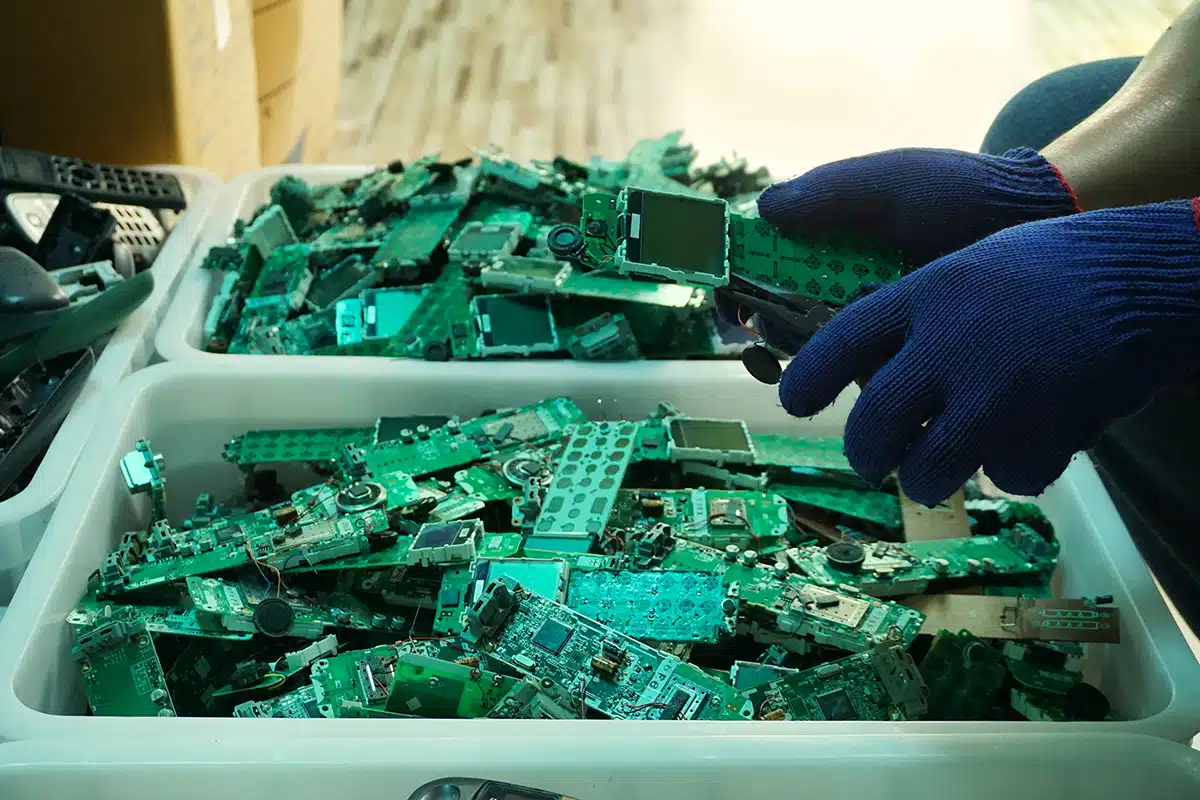
A robust supply chain plan includes protocols for e-waste recycling.

5. Sales and Operations Planning

This executive-level process is an ongoing effort to synthesize demand, supply, and financial planning in order to forecast the profitability of a product over several years. This process incorporates input from post-production teams like marketing and sales so that operational teams can better meet a company’s organizational and financial goals. Traditionally, sales and operations planning (S&OP) was a quarterly process. In today’s world, however, S&OP can be conducted more frequently, thanks to technological advances that provide instant access to real-time data.

6. Reverse Logistics

Savvy manufacturers know that their product isn’t out of their hands just because it’s been sold and delivered, which is why they have a plan for reverse logistics. When it comes time to process a customer exchange or properly dispose of a product, companies with a plan in place can easily handle either scenario. In the case of returns, for example, forward-thinking companies are now using location technologies like RFID chips to aid in real-time tracking of returned items. Unlike traditional barcode systems, RFID tags provide automated data capture, reducing the need for employee intervention. These specialized tags can help companies automatically capture critical information about returned products, such as product condition, reason for return, and product handling requirements.

Digitally Transforming Your Supply Chain Planning

RFID chips aren’t the only tools transforming the supply chain. If you’re not taking advantage of technology, you are missing out. Not only have advanced technologies changed the way business is done, they’re also optimizing the end-to-end management of the supply chain. This is why industry leaders like Lenovo have implemented a wide range of technological innovations, including G5, AI, AR/VR, and IoT, which together have enabled the company to slash lead times, improve product quality, and reap a host of benefits throughout the supply chain.

As companies like Lenovo have discovered, effective supply chain planning is more than a logistical necessity; it’s a strategic imperative. A company that carefully focuses on each stage of supply chain planning—from product planning to reverse logistics—will enhance its resilience against disruptions, while cutting costs and maintaining quality. And as the manufacturing landscape grows more complex, companies that prioritize data-driven supply chain strategies will gain a competitive edge.

Are You Ready to Optimize Your Supply Chain?

Our responsive team has worked with companies of every size, and we know how to customize a plan to meet your supply chain planning needs. Whether you’re seeking to reduce material lead-times, cut inventory costs, streamline your shipping, or effortlessly track your products, we have the services you need. Contact us today to learn more.

The importance of maintaining a clean and healthy environment in your facility cannot be overstated. Surveys have found that workers in cleaner office environments report fewer symptoms of illness, such as coughing, headaches, and fatigue. Meanwhile, a study on workplace hygiene found that office desks harbor more than three times the number of bacteria found on a typical toilet seat. As these two issues make clear, janitorial services play an important role in supporting workplace productivity.

An environment’s level of cleanliness directly impacts the well-being of your occupants, the productivity of your workforce, and even the reputation of your business. This is why—whether you manage an office building, healthcare center, or data facility—it makes sense to hire a reputable janitorial services provider to ensure your facility is thoroughly cleaned and sanitized.

Benefits of Using Professional Janitorial Services

The most compelling reason to outsource your cleaning needs to a professional service is the superior level of cleanliness they can provide. Professional janitorial services providers have the expertise, equipment, and resources to ensure that all aspects of your facility are cleaned properly. And there are other benefits as well.

Studies show that clean workspaces reduce absenteeism due to illness. And surveys indicate that clean, organized workplaces lead to higher employee satisfaction and improved focus and morale.

Fewer Sick Days, Increased Productivity

Studies show that clean workspaces reduce absenteeism due to illness. And surveys indicate that clean and organized workplaces can lead to higher employee satisfaction and improved focus and morale, which can contribute to increased productivity.

The Centers for Disease Control and Prevention states that regularly cleaning surfaces in your facility helps prevent the spread of germs that make people sick, and that using commercial cleaners that contain soap or detergent removes most types of harmful germs from surfaces.

A Focus on Your Business, Not Your Cleaning Regimen

Outsourcing your janitorial services allows you to focus on what you do best: growing your business. Cleaning and maintenance are essential tasks, but they are not the core competencies of most businesses. By entrusting these responsibilities to a professional service, you free up valuable time and resources that can be better spent on strategic initiatives that drive your business forward.

Reputable janitorial services providers also know when and how to go beyond normal cleaning. For example, high-touch items like pens, counters, door handles, stair rails, elevator buttons, restroom fixtures, and desks should be cleaned frequently, while less-used surfaces require less-frequent cleaning.

In addition to health benefits, there are also administrative advantages to using a professional cleaning service. One advantage is foregoing the time and cost of stocking cleaning supplies and equipment. But perhaps the biggest benefit is reducing the need to manage labor.

The cleaning profession suffers from high absenteeism and turnover rates, which can create significant challenges for businesses that attempt to manage cleaning services in house. By using a third-party janitorial services provider, you shift this burden onto your vendor, which has the experience and infrastructure to manage staffing issues effectively. This not only ensures consistent cleaning but also reduces the administrative headache of dealing with staffing problems.

Cost-Effective Solutions

Outsourcing janitorial services can be more cost-effective than managing cleaning operations in house. Professional janitorial companies can achieve economies of scale that are difficult for individual businesses to replicate. Not only do professional cleaners get the job done thoroughly, they also get it done efficiently and quickly. Additionally, because they purchase in bulk, they have access to commercial-grade equipment and supplies at lower costs, and in the competitive world of commercial cleaning, this savings is often passed on to the customer. When you factor in the cost of hiring, training, and managing an in-house cleaning team, outsourcing often proves to be the more economical choice.

Increased Tenant and Occupant Satisfaction

Research has found that 86% of office employees regard cleanliness as the most important aspect of a good work environment, and a survey conducted by Staples found that 94% of employees reported feeling more productive in a clean workspace. In tight labor markets, employee satisfaction is crucial.

Likewise, a clean, well-maintained facility is a significant factor in tenant retention and can make your property more attractive to potential occupants. This is particularly important in the current leasing climate—a report from August 2024 found that commercial vacancy rates averaged 18% nationwide. These days, it’s more important than ever to differentiate your property, and one way to do that is through superior cleanliness and maintenance.

Traits of a Good Janitorial Services Provider

There are many janitorial services providers competing for your business. To find the one that’s right for your needs, it’s essential to consider several key factors.

Proven Track Record

A good janitorial services provider should have a solid track record of success. Consider how long the provider has been in business and who its current clients are. Different facilities have different cleaning requirements, so it’s important to choose a provider with experience in your specific industry. Data centers, for example, have cleaning requirements that differ from office buildings. Make sure your provider has the relevant experience and expertise for your type of facility.

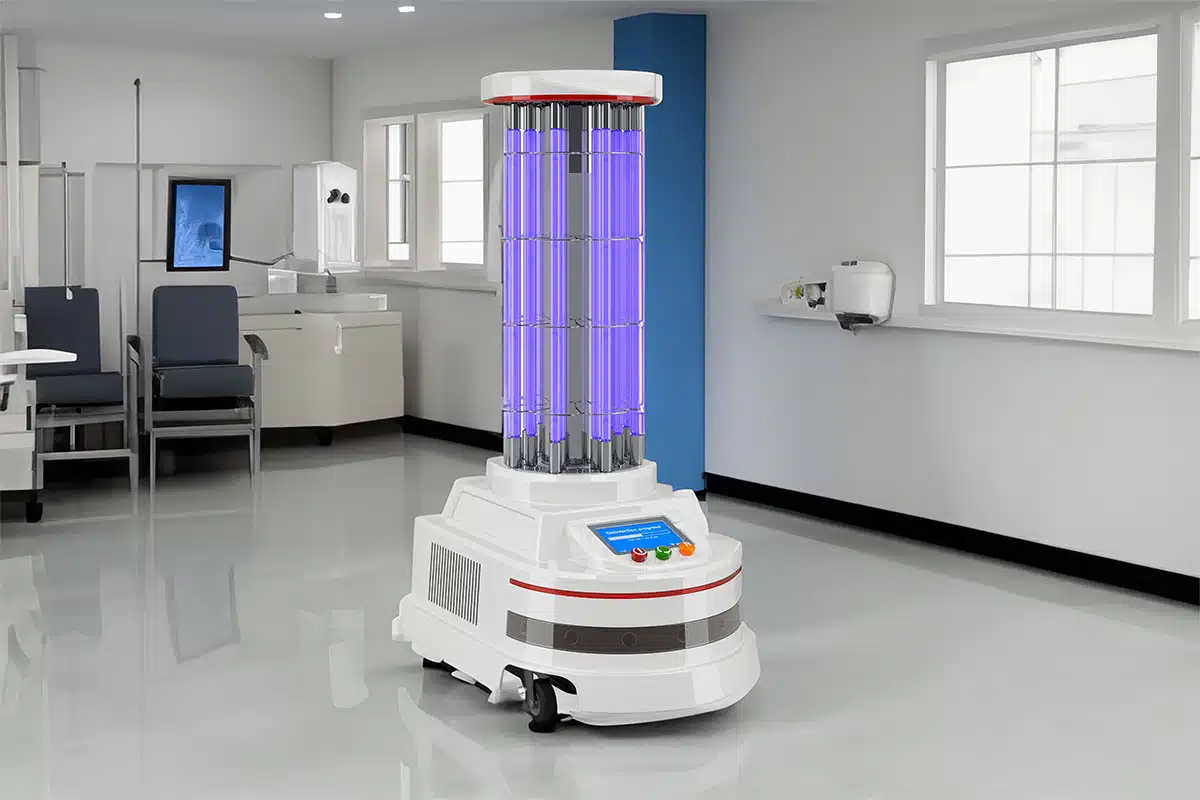
An automated disinfection robot in the middle of a hospital room
Programmable, mobile disinfection machines use sophisticated technology to clean and sterilize hospital labs, procedure rooms, and patient settings.

Licensing and Insurance

Make sure that your janitorial services provider is fully licensed, bonded, and insured. This is not just a legal requirement, but also the hallmark of a professional and reputable company. Proper licensing ensures that the provider complies with local regulations and industry standards, while insurance protects you from potential liability in case of accidents or damage during the cleaning process.

Certifications

Certifications are another critical factor to consider. Reputable janitorial services providers should hold certifications that demonstrate their commitment to quality and industry best practices. For example, the ISSA Cleaning Industry Management Standard (CIMS) certification is a widely recognized standard in the cleaning industry. Additionally, look for certifications related to sustainable cleaning practices, such as the CIMS-Green Building with Honors certification, which indicates that the provider uses environmentally friendly and nontoxic cleaning products.

Facility owners who have earned the Global Biorisk Advisory Council’s GBAC Star Facility Accreditation need to utilize cleaning staff that are specially trained in the safe use of powerful cleaners and disinfecting agents. And if your facility has yet to be granted this accreditation, the right cleaning service can help you earn it.

Experienced and Reliable Crews

The quality of the cleaning crew is just as important as the janitorial services company itself. Cleaning professionals may need access to sensitive areas of your facility, and since they tend to work after hours, they are often in your facility unsupervised. For these reasons, a full background check of all janitorial staff is essential.

Reliability is also important. It’s no secret that America is in the midst of a custodial labor shortage. This has led to high rates of turnover and absenteeism at some janitorial services providers, which can disrupt the delivery of contracted services. To make sure this doesn’t happen to you, look for a provider with high employee retention.

Use of New Technologies

The cleaning industry continues to evolve, and new technologies offer enhanced efficiency and effectiveness. Ask potential providers about the cleaning technologies they use. Electrostatic sprayers, for example, ensure even coverage of disinfectants, which is especially important in high-touch areas. Other technologies, like UV-C light disinfection, HEPA filtration vacuums, and antimicrobial surface coatings can further enhance the cleanliness and safety of your facility.

Sustainability and Employee Health

In today’s world, sustainability and employee health are top concerns for many businesses. Studies have shown that employees are increasingly concerned about the chemicals used in their workplaces, preferring low-toxicity options that nevertheless provide effective disinfection. Fortunately, the EPA has made it easy to ensure that your janitorial services provider uses nontoxic, environmentally friendly cleaning products. The agency manages the Safer Choice program, which certifies products that contain low-toxicity ingredients. And the EPA’s Design for the Environment label on disinfectants and sanitizers indicates that these products are both sustainable and safe. If sustainability and safety are important priorities, then check with your cleaning service provider to make sure that the products they use are EPA-certified.

Janitorial Services for Specialized Cleaning Needs

Certain facilities, such as data centers and healthcare centers, require specialized cleaning due to the sensitive nature of their environments. Choosing a janitorial services provider with expertise in these areas is crucial to maintaining the integrity and safety of these facilities.

Data Centers

Data centers house critical technology infrastructure, making their cleanliness a top priority. Dust and debris can cause equipment to overheat or malfunction, leading to costly downtime. So, it’s essential that the cleaning personnel in these environments have received proper training on the appropriate cleaning techniques, usage of cleaning agents, and handling of sensitive equipment. 

A well-trained, knowledgeable, and experienced vendor is essential for working in these high-tech areas. Look for a provider experienced in subfloor/plenum cleaning, floor cleaning, and surface cleaning. Special care must be taken to ensure that sensitive technology is handled carefully to prevent damage. The cleaning requirements for data centers include the use of anti-static cleaning solutions and equipment, as well as regular maintenance schedules to prevent the buildup of contaminants.

A woman in a blue, button-down shirt, seated at a desk in a pristine office environment
Surveys have found that clean working environments reduce employee absenteeism.

Healthcare Centers

Healthcare facilities have stringent cleaning requirements to prevent the spread of infections and ensure patient safety. Gone are the days when a mop bucket and a rag were all that was needed in a hospital cleaning toolkit. Today, hospital cleaning services use high-tech systems that not only target visible dirt and grime but also the microscopic contaminants that hide beyond the naked eye. Hospital-grade disinfectants are formulated to kill pathogens for up to 24 hours after application. New technologies include ultraviolent light irradiation and disinfection robots that can access hard-to-reach spots.

Because of the high level of disinfection required in healthcare facilities, cleaning crews should be continuously trained in the latest techniques and equipment, including bloodborne pathogen disposal, proper handwashing, two-pass disinfection protocols, and airborne and contact precautions. Make sure to inquire about this type of training when vetting potential janitorial services providers.

How to Work with Your Janitorial Services Provider

Once you’ve chosen a janitorial services provider, effective collaboration is essential to ensure that your facility’s cleaning needs are met.

Communication is Key

Clear and open communication is the foundation of a successful partnership. Regularly check in with your provider to discuss any concerns or changes in your cleaning needs. This ongoing dialogue helps ensure that your facility remains clean and well-maintained at all times.

Request a Designated Contact

Having a designated contact person within the custodial service provider’s organization can streamline communication and ensure that your requests are handled promptly. This person should be someone who understands your facility’s needs and can manage the cleaning crew effectively—and will be available after hours in an emergency.

Emergency Protocols

Establishing protocols for emergency situations in advance is critical. For example, if there is a sudden outbreak of illness, you’ll need to ensure that your provider can respond quickly with enhanced cleaning and disinfection measures. Discuss these protocols with your provider to ensure they are prepared to handle any unexpected situations.

Spell Everything Out in the Contract

To avoid misunderstandings, make sure that all of the provider’s responsibilities are clearly outlined in the contract. This includes the scope of work, frequency of cleaning, and any specific requirements you may have. A detailed contract protects both you and the provider and sets clear expectations for the partnership.

Tips for Productive Custodial Visits

Maximize the effectiveness of custodial visits by preparing in advance. Provide clear instructions on any areas that require special attention and make sure that the cleaning crew has access to all necessary areas. Remove clutter from workspaces and common areas. These few simple steps will help your janitorial services provider do its job more efficiently, ensuring you get the services you’re paying for.

Expert Cleaning for All Types of Facilities

Looking for a cleaning service with a proven track record for safety, reliability, and cost-effectiveness? At PRIDE Industries, we clean more than 26 million square feet of facilities every day, including offices, hospitals, data centers, and more. Call today to see what we can do for you.

High performing employee is a “curve-breaker.”

That’s what Darren Rysedorph, founder and CEO of IT service provider Sage IT, said of his high performing employee, who has autism. Kristin Johnson started working at Sage IT as a paid intern and is now a full-time office assistant.

“We have a scoreboard to track work, and Kristin is always at 100 percent,” Rysedorph said. “I’ve never seen her not be at 100 percent.”

Rysedorph pointed out that none of his other employees, with or without a disability, can match Kristin’s track record.

That’s the curve she broke.

Like many employees with disabilities, Kristin is a high performing employee, upending employers’ expectations.

“People think that people like me who have autism may not be smart or able to do work,” Kristin said. “But I have great long-term memory, and if you show me how to do a task once, I can memorize it.”

Part of Kristin’s job is to keep inventory up to date and make sure the technical team’s backpacks are always ready for a trip to customer sites. That’s no small feat because one of Sage IT’s differentiators is the speed with which it responds to customers.

“We are paid to be the IT department by companies that aren’t big enough to have their own IT department,” Rysedorph said. “One of the things that separates us from our competition is our speed. When one of our clients clicks on chat support, we respond within 10 seconds, which is unheard of.”

That kind of speed requires efficiency.

“For the response times to be that quick, a lot of other things need to be taken care of,” he said. “Inventory needs to be maintained; backpacks need to be checked every night. We have trunk kits in our cars. Cars need to be gassed and ready. We sometimes detect outages before the client does and send a car right away.”

The tech team was spending too much time doing that organizational work, and it was taking time away from service clients with the kind of response times Sage IT promises. “Our technicians need to be spending their time helping our clients, not checking and replenishing inventory,” Rysedorph said. “And they need to know that when they go out in the field, they have everything they need.

That’s where Kristin comes in.

“I check inventory and make sure we have enough cables and adaptors and if we are low on anything I order it,” she says. The backpacks are replenished every night.

In addition to managing inventory, Kristin communicates with the techs via the company’s Slack channel, which allows her to reach the in the field or in the office to make sure they get what they need where and when they need it.”

“Kristin’s been critical in keeping the back end running for us and keeping our techs in the game,” Rysedorph said. “She’s been super consistent throughout her time here and we’re happy to have her.”

Sage IT partnered with PRIDE Industries to find the right person for the position. Judi Adams, Director of Sales and Client Success for Sage, is also a member of The Michael Ziegler PRIDE Industries Foundation Advisory Board and familiar with the benefits that people with disabilities bring to the organizations they work for.

“I’ve been involved with PRIDE Industries since 2004,” she said. “So, I knew that hiring people with disabilities is no different from hiring anyone else. Everyone has abilities. You find out what people excel in, and that’s what they bring to a company—what they do in their roles.”

“I saw we had an amazing opportunity to bring someone in who can do things that the technicians don’t have time to do, so they can spend more time servicing clients in the field,” Adams said. “I knew we could count on PRIDE Industries to help us find a high performing employee.”

They found that high performing employee in Kristin Johnson.

“Every week we go over the scoreboards for the team, and like Darren said Kristin is always at 100 percent,” said Adams. “And she’s so excited to be part of the team. One of the things I love most is seeing her get off the bus and come over here with such enthusiasm.”

And Kristin is confident in the value she brings. “My job makes the whole business run more smoothly,” she said. She would like to see more companies take a chance on hiring people with disabilities. “They should,” she said. “We are capable, and we want to work.”

Make a social impact

PRIDE Industries builds inclusive, diverse work environments where high performing employees with disabilities can thrive. Is your company seeking well-trained, reliable employees? Learn about our paid internship program.

When the car was first invented, models were built slowly, one whole automobile at a time, just like every other manufactured product of that era. Then in 1901, Ransom Eli Olds introduced the first mass-produced vehicle, the Oldsmobile Curved Dash, which was built using a method developed by Olds—the stationary assembly line. Years later, Henry Ford added a conveyor belt to the assembly line, revolutionizing manufacturing and setting the standard for how products would be made for the next century. Now the industry is undergoing another revolution—digital manufacturing.

What is Digital Manufacturing?

The term “digital manufacturing” describes the integration of computer systems and digital technologies into the manufacturing process. It’s an approach that relies less on traditional manufacturing practices and more on emerging technologies such as robotics, artificial intelligence, and the Internet of Things (IoT). This confluence of new technologies has created such a buzz in the manufacturing world that Klaus Schwab of the World Economic Forum coined the phrase “the fourth industrial revolution” to describe this shift.

Digital Manufacturing Technologies

From design to delivery, digital manufacturing technologies are adding efficiency, flexibility, and productivity to the entire product lifecycle—yielding higher quality products while accelerating time to market. Here are six of the most impactful of these new technologies:

Digital Twins

Digital twins are virtual counterparts of physical objects or systems. These real-time digital replicas allow companies to test new products before they are built in the real world, and can cut the time it takes to go from design to finished product. Volvo, for example, uses digital twins of new vehicle designs to virtually test the aerodynamic properties of different materials and proposed design features. Using this technology, Volvo can improve vehicle performance and create more fuel-efficient models—even before the first prototype is built.

And Volvo is hardly alone. McKinsey & Company reports product development leaders are rushing to build their digital-twin capabilities, with the global market for this technology predicted to grow approximately 60% annually, reaching $73.5 billion by 2027.

From design to delivery, digital manufacturing technologies are adding efficiency, flexibility, and productivity to the entire product lifecycle—yielding higher quality products while accelerating time to market.

An early 1900s model of the Oldsmobile Curved Dash, parked outside.
The Oldsmobile Curved Dash was the first car made on an assembly line.

Additive Manufacturing and Rapid Prototyping

Additive manufacturing, also known as 3D printing, is the process of building objects layer-by-layer using a 3D printer that converts digital data into a physical object. With its ability to create complex shapes and customized products directly from design files, additive manufacturing allows device prototypes to be produced rapidly and cost-effectively. In addition to slashing lead times, this rapid prototyping gives manufacturers greater flexibility. For example, while it’s not practical to produce a small batch of PCBs with traditional prototyping, an electronics manufacturer using rapid prototyping can efficiently produce prototype batches of as little as five units.

Artificial Intelligence

Artificial intelligence (AI) is a specific field within digital technology that focuses on developing intelligent machines that can approximate human thinking. Using machine learning and natural language processing, AI systems can learn, reason, and make decisions—mimicking human reasoning while working far more quickly and processing much larger data sets than the human mind is capable of.

With AI, manufacturers can mine and analyze vast amounts of data to optimize product design, material choice, and other facets of production. Leveraging data can also help a manufacturer better navigate its supply chain, especially when managing inventory. And AI has even been used to help manufacturers determine when it’s more cost-effective to simply raise wages vs. hiring new staff.

IoT Technology

The Internet of Things (IoT) is a network of physical devices embedded with sensors, powered by software that allows communication across the internet. At home, this technology might help you control your lights or notify you when it’s time to put your laundry in the dryer. On the factory floor, IoT technology is transforming the way manufacturers make their products. For example, using electronic tags and sensors, manufacturers can track products throughout the supply chain; inventory managers can locate devices within a warehouse; and plant operators can service equipment before malfunctions occur.  

Industrial Robots

Worldwide, there are approximately 3.9 million industrial robots, according to the International Federation of Robotics. Increasingly, these machines are helping manufacturers become more efficient. For example, German automaker Mercedes-Benz has entered into an agreement with robotics company Apptronik to test humanoid robots at select Mercedes-Benz factories. These robots—such as Apollo, a 160-pound, 5’8” bipedal robot—will be used to automate repetitive tasks, according to Mercedes-Benz and Apptronik.

Augmented Reality

Augmented reality (AR) uses computer-generated images, projected onto or near a real object or scene, to enhance our perception of the real world. From flight training to road navigation, this technology is changing our world. For manufacturers, AR has proven to be a productivity-boosting enhancement in production. 

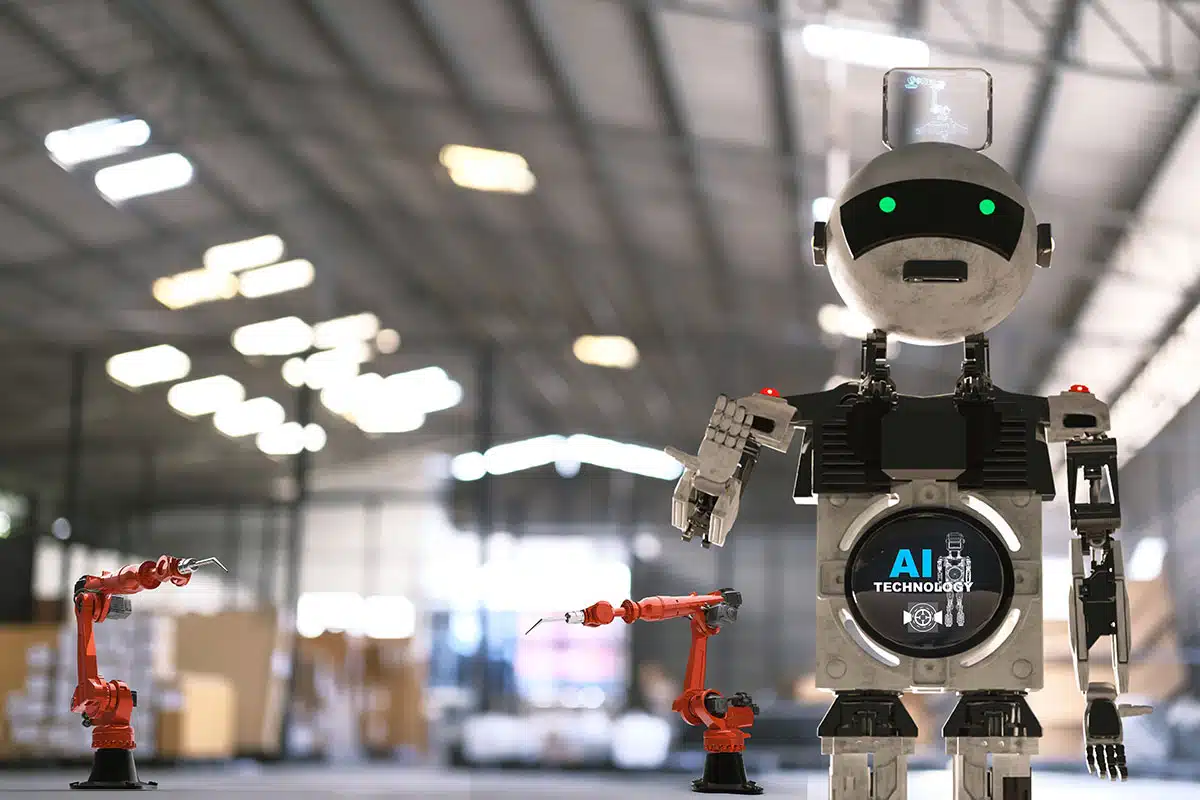
A robot stands next to a couple of pieces of equipment in a large warehouse.
While still a novelty, humanoid robots are expected to make their way into factories and warehouses over the next several years.

Traditionally, manufacturers share work instructions through physical or digital manuals. This requires workers to switch their attention from the product they’re working on to a book or computer screen. But with AR, important information is projected directly onto the work surface, eliminating switching time and decreasing the distraction and fatigue that workers can experience when required to constantly shift focus.

Some Key Benefits of Digital Manufacturing

Digital manufacturing technologies offer many benefits to manufacturers.

  • Increased Efficiency: Digital technologies allow manufacturers to create new efficiencies. In 2019, for example, General Electric discovered that using AR glasses at its jet engine manufacturing facility increased the productivity of the engine mechanics.
  • Faster Innovation Cycles: Advanced design tools and virtual prototyping allow products to go from design to finished product faster than ever before.
  • Improved Customer Satisfaction: Digital manufacturing technologies give manufacturers the flexibility to rapidly adapt to market shifts.
  • Cost reduction: AI systems are enabling manufacturers to streamline manufacturing processes to save time and reduce material waste. Access to detailed data also enables manufacturers to keep manufacturing machinery in peak operating condition through predictive maintenance, avoiding costly shutdowns and delays.
  • Better Quality Control: With real-time monitoring of manufacturing processes, product issues can be identified and corrected immediately. Manufacturing processes can also be more easily standardized, leading to higher quality products.
  • Greater flexibility: With advanced technology, manufacturers can now quickly reconfigure production lines for different products and varied batch sizes.

How to Start Your Digital Transformation

Given the many benefits of digital manufacturing, it may be tempting to dive straight into the process. But before starting your digital transformation, you need a plan. A blueprint, or operating model, will provide a clear vision of what your finished manufacturing system will look like once it is complete, and will help you stay on track during your transformation.

In order to develop a reliable blueprint, you need to first evaluate your operational value stream—the sequence of activities required to deliver your product or service to your customer. Once you’ve clarified your production steps, you can prioritize the business process improvements that will have the most impact. For example, if your goal is to cut production time in half, what process improvements will be required to reach that state? Can you eliminate steps or streamline a process through automation? Can you analyze data better to save time in the long run?

Industrial robots, augmented reality, IoT technology—implementing these digital technologies can be a daunting process. How do you figure out the right balance between new technology and your traditional processes? How fast do you transition? How much can you afford to spend on new technology? Fortunately, you may not need to stress over these difficult questions. A reputable third-party vendor will likely already understand how to deliver the services and products you need in the most efficient and cost-effective way. For many manufacturers, this approach is the right solution as they grapple with the best way to transition into the new world of digital manufacturing.

Reliable Electronics Manufacturing

Are you looking for a contract manufacturer that you can count on? Our in-house design team, certified engineers, and dependable workforce mean that you can receive all the benefits of automation and skilled labor—without unnecessary capital outlays.