Our Stories

Across industries, efficient warehouse management is more critical than ever. Gone are the days of relying on reams of paper to keep records and manage workflows. Technology has transformed warehouse operations, automating every step from receiving and storage to picking, packing, and shipping. This makes processes faster, more accurate, and cost-effective. And at the heart of it all is the warehouse management system.

What is a Warehouse Management System?

SAP defines a warehouse management system (WMS) as a software-driven solution that helps companies control and optimize daily warehouse operations, from the moment goods arrive at a distribution or fulfillment center until they leave. More than just an inventory management system, a WMS enhances picking and packing processes, resource allocation, analytics, and overall operational efficiency, making it an essential tool for effective supply chain management.

More than just an inventory management system, a WMS enhances picking and packing processes, resource allocation, analytics, and overall operational efficiency.

The modern WMS interfaces with multiple software programs, all from within a single platform and with a single sign-on. It quickly and efficiently runs inventory reports, sets up shipping labels, and automates monthly customer billing charges. People no longer need to do these tasks one at a time—a process that is slow, arduous, and prone to error.

The History of the Warehouse Management System

The first warehouse management system was created thousands of years ago, when the rise of agriculture led to a need for storage facilities. The Romans took the concept to another level by building large warehouses near ports to store products brought in from their far-flung empire. Since paper hadn’t been invented yet, merchants likely used papyrus scrolls or wax tablets to keep track of their stores of olive oil, wine, food, clothing, and other commodities.

In the early 1900s, as the second industrial revolution brought exponential increases in production, new technologies like forklifts and motorized carts came along to aid workers. A hint of today’s technologies was launched in the 1950s when the first automated guided vehicle—essentially a tow truck that followed a track of wires embedded in the floor—entered service. But inventory was still controlled on paper.

That began to change when the automated storage and retrieval system, or AS/RS, was developed in the 1950s to manage and optimize warehouse storage efficiently. The first fully automated warehouse using this technology was built in 1962 to manage nearly seven million books in a 65-foot-high facility in Germany. Soon after, in 1975, the first true warehouse management system was developed for department store chain J.C. Penney. The software-driven system was able to update stock inventory in real time, which greatly streamlined operations.

Since then, technology has grown by leaps and bounds. Today’s warehouse management system is an online hub connecting inventory to all areas of the supply chain. It stores warehouse information in a central location, easily accessed by people from terminals spread throughout a company’s operational sites. This eliminates multiple manual paper processes, reducing the time lag for recording interactions with and within a warehouse by ten-fold, and saving companies thousands of labor hours each year.

5 Key Warehouse Management System Benefits

Warehouse management systems are becoming essential for large and mid-sized companies because they deliver five key benefits:

  • Improved operational efficiency: A WMS automates workflows, reducing inefficiencies, minimizing picking and shipping errors, and eliminating redundant tasks. This allows businesses to handle more orders with greater speed and accuracy.
  • Reduced waste and costs: For businesses handling perishable or time-sensitive goods, a WMS ensures that products are picked based on expiration dates or sales priorities, reducing waste. It also optimizes warehouse space by strategically placing inventory and by mapping the most efficient travel paths for workers.
  • Real-time inventory visibility: With barcoding, RFID tagging, sensors, and tracking tools, a WMS provides real-time inventory insights as goods move through the warehouse and beyond. This enables more accurate demand forecasting, supports just-in-time inventory strategies, and improves traceability—critical for recalls and compliance.

: A worker in a hardhat and orange vest, looking bored, leans against a piece of equipment
A WMS eliminates redundant tasks and reduces picking and shipping errors.
  • Optimized labor management: A WMS helps forecast labor needs, streamline scheduling, and assign tasks based on employee skill sets, location, and workload. This creates a more organized and less stressful work environment, improving employee morale and productivity.
  • Stronger customer and supplier relationships: Customers benefit from faster order fulfillment, fewer errors, and more reliable deliveries, leading to higher satisfaction and stronger brand loyalty.

Types of Warehouse Management Systems

There are three main types of warehouse management systems. The kind that suits your operations best will depend on your company’s size and the types of products you offer.

  • An ERP module-based system features a WMS module within a broader ERP software system which integrates and manages core processes such as finance, HR, and procurement. This system integrates easily with other systems and likely will allow support, updates, and maintenance to be performed by a single vendor. If your company already has an ERP system, this could be a cost-effective choice for you. However, ERP-based systems can lack the inventory control and labor management tools that benefit large distribution center operations.
  • A supply chain module-based WMS includes a WMS module within a broader supply chain management (SCM) system that comprehensively manages the flow of goods, information, and finances as they move through the supply chain. It integrates neatly with the broader SCM system but could lack advanced inventory control and labor management tools.
  • A standalone system focuses solely on managing warehouse operations. These systems are typically highly specialized and include advanced features not found on the two more common systems. High-volume operations and those spread across multiple locations can often benefit from this customized solution. The downside is that the system could have difficulties integrating with existing enterprise resource planning (ERP), customer relationship management (CRM), or e-commerce platforms. It will likely cost more as well.

Regardless of the platform, warehouse managers must also decide whether to use an on-premises or cloud-based WMS application. A cloud-based system is usually more accessible offsite and from mobile devices, generally has reduced upfront costs (since it likely operates on a subscription model), and reduces a company’s IT burden. An on-premises system may make it easier to comply with strict regulatory compliance requirements in industries such as healthcare, finance, energy, defense, and others where sensitive data is stored and accessed. Companies doing business in the European Union may also face stringent compliance requirements.

When to Upgrade Your WMS

Cloud-based WMS systems provide real-time accessibility.

Given that the modern warehouse management system has existed since the 1970s, many companies have at least a rudimentary WMS. Or maybe your company acquired a system within the last few years. In either case, because warehousing technology is evolving rapidly, at some point your WMS will need to be upgraded. But when? A 2024 survey of third-party logistics providers (3PLs) found several factors that indicate it’s time for an upgrade:

  1. Too much reliance on manual processes. If too many functions still rely on manual processes, it may be time to consider an upgrade.
  2. Need for more real-time inventory visibility. Real-time tracking provides clear insights into incoming orders and current inventory levels and includes predictive analytics tools to forecast customer demand and avoid stockouts or oversupply issues.
  3. Few integrations with e-commerce platforms. Online sellers and retailers rely on third-party logistics providers. A WMS that doesn’t integrate with popular platforms makes it nearly impossible to keep up with a retailer’s demands.
  4. Poor scalability and flexibility. Predicting market changes and customer demand is tricky. In the worst cases, managers may rely on manual processes and spreadsheets to make predictions. The latest WMS systems include AI fulfillment management tools to help spot early trends.
  5. Too many order fulfillment and shipment mistakes. Too many errors can damage relationships with customers and supply chain partners. Newer WMS systems utilize operational data to manage packing procedures and reduce manual mistakes.
  6. Inadequate reporting and analytics. Older WMS systems have outdated dashboards with limited functions. Newer systems with powerful data management features can streamline processes and make accessing data easier.
  7. High operational costs. Over time, older WMS systems can become costly to maintain, and with an in-house system, managers may struggle to find software technicians with the skill set to maintain it. While investing in a new system may require a sizable up-front cost, the return on investment can be significant.

The Future of Warehouse Management Systems

As warehousing technology continues to evolve and expand, what will tomorrow’s WMS systems look like? While it’s impossible to predict the future, the same changes that are sweeping through other areas of manufacturing and logistics will affect the warehouse management system as well.

Expect greater integration with physical tools like drones and collaborative robots (cobots). Cloud-based systems will continue to gain popularity due to their scalability, flexibility, and cost-effectiveness. Artificial intelligence will be applied to more and more aspects of the WMS, improving predictive analytics, demand forecasting, and process optimization. And all of these developments will require greater attention to cybersecurity.

These and other changes will continue to drive efficiencies in warehouse operations, lowering costs for companies of all sizes. The days of hand picking and taking notes on paper are coming to an end, and the warehouse management system is making that possible.
Inventory Management You Can Rely On

Looking to optimize your inventory management? PRIDE Industries provides full-service solutions, from kitting and assembly to order fulfillment and back-end warehousing. Let’s streamline your supply chain together.

Higher employee retention and lower absenteeism are two well-established benefits of hiring people with disabilities. But they’re not the only ones. Businesses that invest in an inclusive workforce are also eligible for tax credits. And while these incentives can vary from state to state, one tax credit is available no matter where in the U.S. a business is located—the Work Opportunity Tax Credit (WOTC). 

What is the Work Opportunity Tax Credit?

The Work Opportunity Tax Credit is a federal program that provides employers with tax credits for hiring individuals from certain target groups that have faced barriers to employment, including people with disabilities. 

Created as a part of the 1996 Small Business Job Act, the WOTC began as a temporary tax credit designed to promote employment, empowering individuals to become members of the workforce and attain self-sufficiency while earning a steady income. Since its initial enactment, the WOTC has been extended several times—most recently through 2025—with legislation on the table to enhance it. 

How Does the Work Opportunity Tax Credit Work?

In a nutshell, the WOTC is equal to 40 percent of an individual employee’s incurred wages, up to $6,000 for an individual who: 

  • Is in their first year of employment. 
  • Is certified as being a member of a target group.
  • Performs at least 400 hours of services for that employer. 

Individuals working fewer than 400 hours but at least 120 hours for an employer are subject to a reduced credit (25 percent). Rehired employees are not eligible for the WOTC. Eligible employers can apply any unused WOTC from the current year to the previous year and carry it forward. The maximum tax credit is generally $2,400. 

How Does an Employer Claim This Credit?

According to the U.S. Department of Labor (DOL) and the Internal Revenue Service (IRS), employers must follow a three-step process to claim the WOTC. 

1. Prescreening and Filing Certification Request

Within 28 days of a new hire, employers must apply for certification that the employee is a member of a target group. To do so, the employer and the newly hired employee must complete and submit the following pre-screening paperwork to the designated state agency: 

  • IRS Form 8850, the Pre-Screening Notice and Certification Request for the Work Opportunity Credit.
  • DOL Form 9061, the Individual Characteristics Form.

2. Certification Approval

After the forms have been submitted to the state agency, the employer will receive a determination from the certifying agency. The determination will detail why an employee does or does not qualify. The WOTC certification will be included if the individual qualifies for it, or the agency may request additional information. 

3. Claiming the Work Opportunity Tax Credit

After certification by the designated local agency, and after the employee has worked a minimum of 120 hours, employers can proceed to file the WOTC with the IRS. Taxable organizations will file IRS Form 5884, while tax-exempt organizations will file IRS Form 5884-C. 

It’s crucial to complete and submit the required forms accurately. Refer to the IRS and U.S. Department of Labor websites for these forms and for detailed instructions.  

Additional Tax Credits for Employers Who Hire People with Disabilities

In addition to the Work Opportunity Tax Credit, employers who hire people with disabilities may be eligible for additional tax incentives that relate to physical accessibility. 

Disabled Access Credit

To encourage businesses to improve accessibility for both employees and customers with disabilities, the Disabled Access Credit provides tax incentives for making establishments more accessible. Small businesses that incur expenses for architectural adaptations, equipment purchases, or services aimed at facilitating accessibility may qualify for a tax credit of up to $5,000 per year. A business can claim a tax credit once annually for qualifying access expenditures. 

Architectural Barrier Removal Tax Deduction

The Architectural Barrier Removal Tax Deduction is another incentive aimed at encouraging businesses to make their facilities more accessible. Specifically, it allows a deduction of up to $15,000 per year for qualified expenses related to removing physical barriers in the workplace. 

State Tax Credits

Several states offer their own tax credits related to hiring people with disabilities and creating accessible workplaces. More information about these credits is available on state tax board websites. 

The Benefits of Hiring People with Disabilities

In addition to the direct financial benefit of tax breaks like the WOTC, hiring people with disabilities offers several other proven benefits for businesses. Here are just a handful: 

  • High Retention Rates reduce turnover and foster continuity, maximizing organizational stability and success. 
  • Low Absenteeism fosters a healthy work environment, enhancing productivity and minimizing disruptions to workflow. 
  • High Productivity translates into increased operational success and competitiveness in the market. 
  • Boosted Workplace Morale encourages a positive workplace culture that enhances motivation and promotes collaboration. 
  • Positive Social Impact appeals to socially conscious investors. 
  • Increased Profits result from improved employee performance, reduced turnover costs, and heightened customer satisfaction. 

How to Connect with a Stellar Workforce

State agencies, such as the California Department of Rehabilitation, and partnering organizations like PRIDE Industries, can put employers in touch with this stellar workforce so they can make use of the Work Opportunity Tax Credit in the coming year.

Partner with Us to Solve Your Labor Shortage

The U.S. Chamber of Commerce recommends that businesses turn to experienced partners to tap the many benefits—including tax incentives—of employing people with disabilities. PRIDE Industries has enabled hundreds of companies to do just that, helping recruit, hire, train, and support this reliable talent pool—free of charge to employers.

In the 1950s, it was a best practice to replace machine parts based on a strict schedule, regardless of a part’s condition. While this approach avoided equipment failure, the downside was that parts which could have continued to function flawlessly were discarded, creating inefficiency and unneeded expense. Fast forward to today, and facilities management best practices look a lot different. Predictive maintenance, automation, artificial intelligence, and other developments have reshaped facilities and the facilities management profession. Here are seven best practices that will help today’s facilities managers optimize their operations.

1. Integrate AI for Predictive Maintenance

Facilities management best practices are changing, and optimizing building operations may require new protocols.

Predictive maintenance in facility management means using data and analytics to predict equipment failure, so that repairs can be made proactively—before faulty equipment causes problems or facility shutdowns. Although they sound similar, preventative maintenance and predictive maintenance are not the same. Preventative maintenance relies on evaluating machinery at regular intervals, no matter how frequently or heavily a piece of equipment is used. Predictive maintenance, on the other hand, is more nuanced; it relies on continuous monitoring and analysis of equipment. Relying on large data sets, predictive maintenance is more precise than preventative maintenance, enabling facilities professionals to more efficiently maintain facility assets.

A broad spectrum of industries, from oil and gas to commercial real estate, are using predictive maintenance. By monitoring equipment through data-gathering sensors that feed AI algorithms, companies can detect potential problems and prioritize maintenance. Additionally, these AI tools help companies gain a deeper understanding of the root causes of equipment failure. One example of using artificial intelligence for predictive maintenance is GE Digital’s SmartSignal. This predictive maintenance software allows companies across multiple industries to find and act on potential equipment problems, preventing downtime for essential equipment.

2. Take a Systematic Approach to Sustainability

According to the U.S. Department of Energy (DOE), more than a third of total U.S. greenhouse emissions are due to buildings. To address this challenge, the federal government, as well as some states, are calling for net zero buildings—buildings that reduce energy use through numerous energy-saving features and technologies. But how do you achieve a building that is more efficient, especially if you aren’t building from scratch? A report from Lawrence Berkeley National Laboratory recommends taking a systematic, comprehensive approach to retrofitting.  For example, rather than just swapping out old light bulbs, a systematic approach will go further and also integrate automated shading and electrochromic glazing on windows to reduce energy use.

3. Creatively Conserve Water

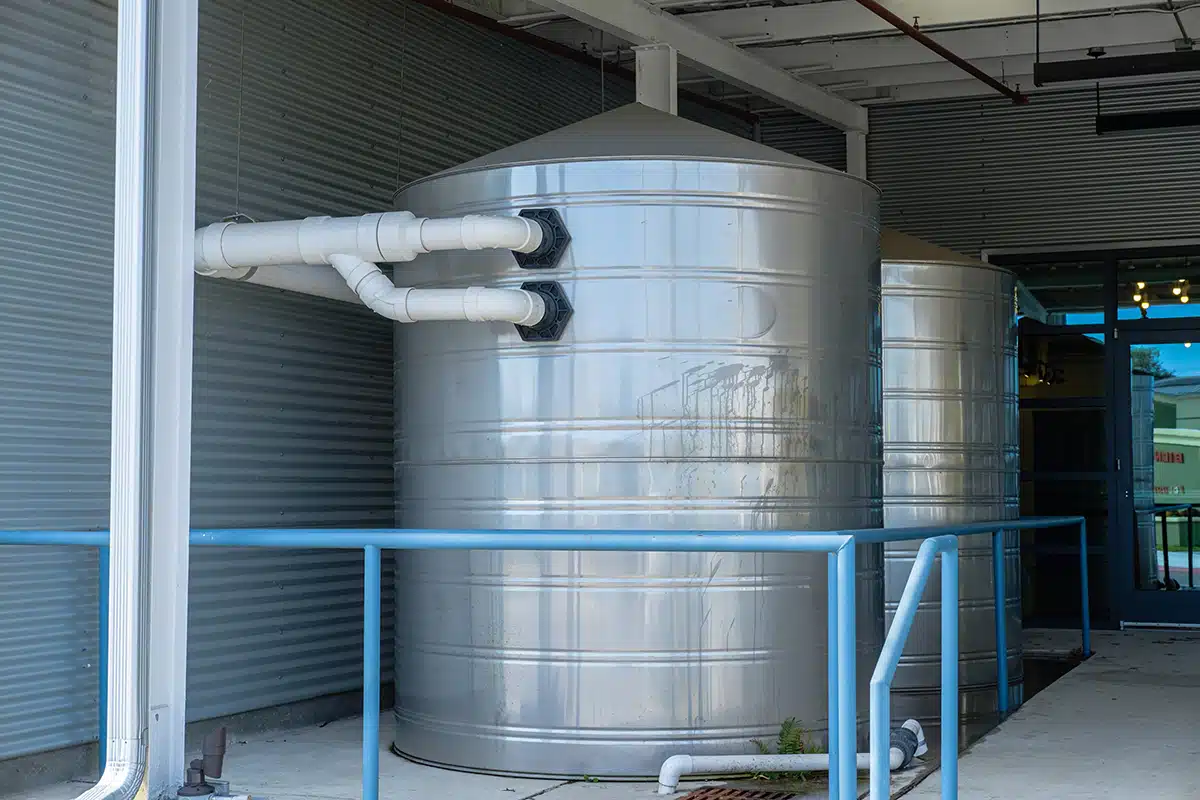
The American Water Works Association (AWWA) estimates that commercial, industrial, and institutional landscapes utilize 2.4 billion gallons of water daily. With water scarce and demand for it high, companies benefit by seeking out water-saving solutions for landscaping and irrigation. One easy solution is rainwater—it’s free! By capturing rainfall in barrels or cisterns, companies can save money, and perhaps more importantly, decrease their dependence on local water infrastructure. Capturing and utilizing rainwater onsite also makes water management more effective, and avoids the unintended pollution and erosion caused by untreated, unmanaged water surges.

Graywater—lightly used water from sinks, bathtubs, and showers—can also be reused. To save money, some companies have invested in closed-loop water recycling systems that collect, treat, and reuse graywater, minimizing the need for freshwater intake and lowering wastewater discharge. If your company isn’t able to recycle its graywater, rainwater capture can still be easily handled with a small investment in water capture receptacles.

Two large, commercial-grade rainwater cisterns
Capturing rainfall for irrigation and other uses can save money and decrease your dependence on local water infrastructure.

4. Facilities Management Best Practices for Compliance and Regulations

Today more than ever, it’s essential to be well versed in industry-specific mandates, regulations, and safety standards. Mandated regulations from OSHA, EPA, ICC, and other agencies carry stiff penalties for violations. So, how can you stay in compliance? One way is to regularly schedule training for your technicians. Another best practice is to keep meticulous records to show that you have complied with all protocols and requirements. But don’t stop there. It’s not enough to keep your own team in compliance. Many facilities managers delegate to third-party contractors, and it’s important that these contractors are also in compliance. This is why it’s crucial to communicate clearly with your contractors and keep accurate records. And if there are serious noncompliance issues, be ready to switch vendors. Remember, it’s your reputation on the line.

5. Adopt Robotics and Automation

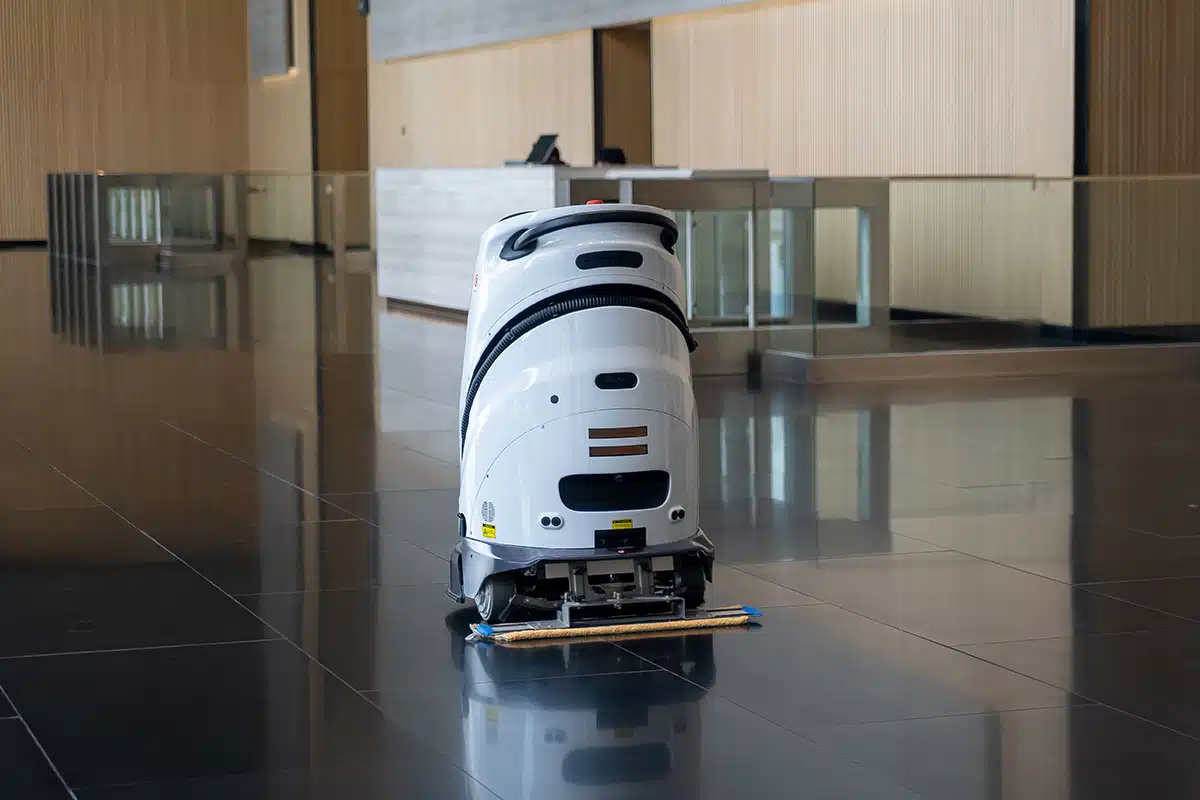
As in many industries, robots can help solve labor shortage and other issues in facilities maintenance. Sophisticated floor-cleaning robots, for example, use laser scanners and ultrasonic detectors to maneuver around people and clean a wide variety of surfaces. Some models can clean more than 200,000 square feet in a single day. And when these robots are finished, there is no need for a human to put them away. Not only do these robots automatically return to their docking station, but they also refill themselves with cleaning fluid. And for environments where more stringent cleaning is necessary, such as hospitals, robots equipped with disinfection technologies like pulsed xenon UV light can kill bacteria within minutes. In these situations, where a sterile environment is critical, robots can be especially useful, since they never take vacations or call in sick.

Many floor cleaning robots can automatically return to their docking station and refill themselves with cleaning fluid.

In the same way that robots are changing how facilities are cleaned, automation is modifying how they’re managed. CMMS software, for example, enables managers to track maintenance activities and scheduling costs. It automates the management of workflows, optimizes routing, and enables organized recordkeeping for reporting and auditing, maximizing a facility’s MRO (maintenance, repair, and operations).

6. Prioritize Occupant Safety and Wellness

Since the pandemic, businesses, governments, and the public have taken an increased interest in indoor air quality. According to Joe Allen, associate professor at Harvard and founder of the Healthy Buildings Program, buildings are at the center of a public health crisis: “They represent one of the greatest public health opportunities of this century. Therefore, the future of healthy buildings must be one where they are the norm for everyone, not just a privilege for a select few.” Allen emphasizes that improvements don’t have to be expensive. They can be as simple as updating air filtration systems. A good air handling system can help lower the incidence of infectious illnesses such as flu, RSV, and COVID-19. These systems can also protect against allergies and reduce the health impacts of wildfire smoke and other air pollutants.

If you are looking for ways to adopt facilities management best practices in terms of health and well-being, consider pursuing WELL certification. Indoor air quality is only one of ten categories of WELL certification, a global certification developed by the International WELL Building Institute that recognizes buildings constructed and designed to support the wellbeing and health of their occupants. Some of the issues that WELL certification addresses include:

  • Designing a building to encourage physical activity
  • Creating spaces that minimize noise disruptions
  • Providing relaxation and stress reduction spaces
  • Reducing occupant exposure to hazardous materials

Every type of facility, from the office to the school building, is eligible for WELL certification.

7. Monitor the Condition of Your Facility

No list of facilities management best practices would be complete without mentioning the need for monitoring. While sensors and other technologies have made it easier than ever to monitor conditions within a facility, it’s not always clear how the information gathered should be interpreted and applied. That’s where the facility condition index (FCI) comes in. Launched in the U.S. in 1991 by the National Association of College and University Business Officers, the FCI allows companies to assess the overall condition of a building, as compared to typical buildings of the same size and configuration.

To determine a facility’s FCI, the data gathered by automated technologies is put into the FCI formula. The resulting index number allows facilities managers to determine the relative condition of a facility by comparing the cost of needed repairs to the total replacement value of the facility. A high FCI indicates that significant repairs are needed, while a lower score means that the facility is in good shape. With a current FCI, facility managers can:

  • Effectively allocate resources by identifying the areas of greatest need
  • Predict the expected useful life of components and plan strategically for upgrades
  • Track the facility’s condition over time
  • Provide quantitative measures of facility health to stakeholders to help justify funding requests
  • Identify facilities that may pose safety risks due to deteriorating conditions

Monitoring the condition of facilities, like all the facilities management best practices listed here, is not a magical solution to facilities management. But companies that are able to adopt at least a few of these practices will ensure that their facilities are efficient, safe, and ready for whatever the future may bring.

Delivering Facilities Management Best Practices

Do you need to level up your facilities management? With over 35 years of experience in energy systems maintenance, engineering services, and predictive maintenance, we know how to optimize your facilities systems. Contact us to discover how we can help you lower energy and maintenance costs while simultaneously optimizing occupant comfort.

The first manufacturing robot was installed in a General Motors plant in 1961. Called Unimate, it was able to stack hot die-cast metal pieces accurately, but that was all it could do. Since then, robots have come a long way, taking on jobs previously done by humans: precisely building small electronic components, washing windows on high-rise buildings, or assisting surgeons in the operating room. Purina even fittingly employs a quadruped “dog” robot, dubbed Spot, that can literally climb stairs as it makes routine inspections. Now collaborative robots (cobots), which are designed to work alongside humans, are taking robotics in yet another direction. Cobots in manufacturing are boosting flexibility, productivity, and safety—often at a fraction of the cost of traditional manufacturing robots.

With their flexibility, affordability, and ease of use, cobots can be a powerful manufacturing solution for companies of all sizes.

Because of their ability to work alongside humans and enhance human output, cobots in manufacturing are a fast-growing segment of the robotics industry. Fueled by shortages of qualified workers as well as increasing labor costs, the cobot market is expected to explode from $1.5 billion in 2023 to $23.5 billion by 2033, according to Tech Target. Automation—especially in the industries of healthcare, manufacturing, and logistics—is one of the primary drivers for the growth of these collaborative machines.

When is a Robot a Cobot?

While they are a segment of the robotics industry, cobots are different from traditional industrial robots. Cobots, by definition, are collaborative, intentionally designed to physically interact with humans in a common workspace. While a traditional robot may be designed to replace a human, a cobot is made to augment human capabilities with extra precision, strength, and data capability. Simply put, cobots allow humans to do more.

Cobots have many of the capabilities of traditional robots, with the addition of enhanced safety features that make them suitable for collaborative applications. These features include one or more of the following:

  • Safety Monitored Stop—enables the cobot to halt motion when safety parameters are triggered
  • Hand-Guided Programming—allows an operator to program the cobot by manually guiding it
  • Speed and Separation Monitoring—enables the cobot to adjust its speed based on its proximity to humans
  • Power and Force Limiting—triggers a drop in the cobot’s power or force to prevent harm to humans or objects

5 Advantages of Cobots in Manufacturing

Cobots in manufacturing usually have an arm with joints that allow the arm to bend, rotate, and extend. These cobots are ideal for assembly, machine tending, and product quality inspection and control, and they offer many advantages over traditional robots.

  • Safety: Traditional robots routinely work at high speeds and quickly perform repetitive tasks. Unfortunately, these speeds can pose immense danger to humans, necessitating safety measures like fences to keep humans separate—and safe—in their presence. In contrast, cobots are specifically designed to collaborate with humans and comply with enhanced safety standards. For example, fenceless cobots, also known as speed-and-separation cobots, have laser scanners that create safety zones around their workspaces. These scanners detect when a person is nearby so that the cobot can stop or slow down to avoid an accident. Likewise, speed limits, power limits, and ergonomic designs all contribute to the safety of cobots.
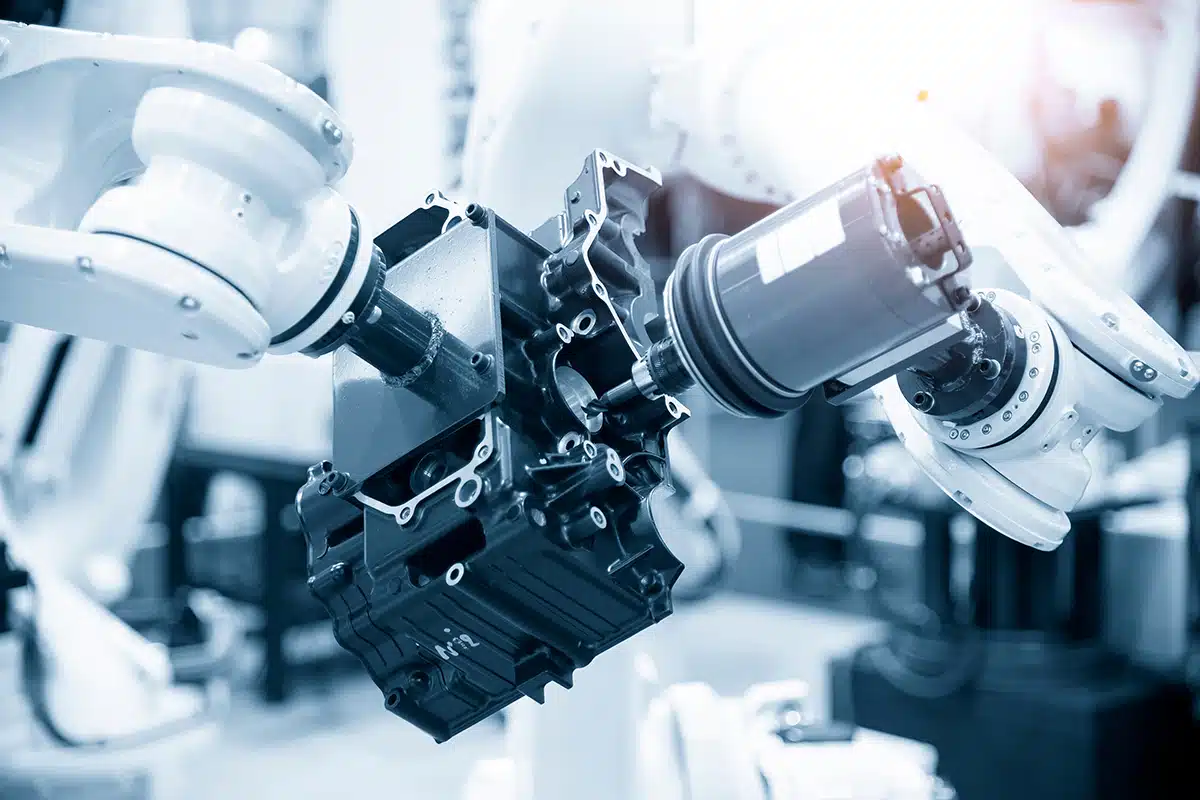
A closeup of a cobot working on a device assembly.
Cobots cost less than traditional robots, with payback periods measured in months not years.
  • Flexibility: Cobots are much more flexible than traditional industrial robots. For example, they can more easily be re-programmed to perform different tasks. Likewise, their smaller size makes them adaptable to multiple workspaces. This flexibility can be especially useful for mid-sized businesses that might not have a level of production that justifies large, dedicated automation systems. For these businesses especially, flexibility helps justify an investment in robotics.
  • User-Friendly: Gone are the days when you needed to be a technical expert to take advantage of digital technology. Today, an iPhone can act as a human-machine interface for your glucose monitor, your washing machine can send you a text for required maintenance—and an average factory worker can reprogram a cobot. To do this, a worker simply guides the cobot through the required paths and positions to complete the new task. The cobot literally learns by doing. Hand-guided programming is one of the breakthroughs that has made cobots practical. And it’s especially useful in situations where a cobot needs to move between stations to accomplish different tasks, as it eliminates the extensive downtime traditionally required for reprogramming.
  • Lightweight and Compact: Cobots are lighter than traditional robots, allowing them to be easily moved and positioned. Likewise, they are more compact, enabling them to fit into tight workspaces and existing workstations. These attributes make it easier for manufacturers to integrate automation into an existing workspace, without the need for major modifications to a facility. 
  • Cost/Return on Investment: Automate.org reports that the positive cash flow from robotic systems can turn a $250,000 investment into approximately $1.5 million of positive cash flow by the seventh or eighth year, primarily through labor savings and productivity gains. Yet, despite the exponential payout from robotics, not all companies desire—or have the means—for the large initial investment required of traditional industrial robots. Cobots, however, cost a fraction of their traditional robotic counterparts, meaning payback periods are measured in months not years. So, while a fully automated smart factory may be the ideal for a large company, cobots are leveling the playing field for medium-sized companies.

Cobots in Manufacturing are Boosting Efficiency

Cobots in manufacturing are bringing increased efficiency to many industries. In the car industry, for example, cobots are the newest automotive technology to be added to the factory floor. Passenger safety is a top priority for car manufacturers, and even a small misalignment on a critical part during assembly can compromise a car’s safety. Cobots, working alongside humans, can add precision and accuracy that are beyond human capabilities.

One example of cobots in action is at BMW Group’s Spartanburg site in Greer, South Carolina. At this manufacturing plant, four cobots equip the insides of the BMW X3 model door with sound and moisture insulation. Previously, workers used a manual roller to adhere the insulation. This highly labor-intensive task is now performed by systems with roller heads on robot arms. The cobots can handle the job with much more precision—better protecting the electronics in the door and the entire vehicle against moisture.

“Robots that assist production workers by assuming labor-intensive tasks will characterize the factory of the future,” explains Harald Krüger, member of the Management Board of BMW AG. “Their benefits are strength and mechanical accuracy—and they perfectly complement humans’ flexibility, intelligence, and sensitivity.”

5 Tips for Integrating Cobots in Manufacturing

Before investing in cobots, it’s important to make a detailed plan for implementation, and to develop well-defined protocols for equipment maintenance. Here are five issues to keep in mind when developing your plan.

  • Set Goals and Key Performance Indicators: Before jumping in with a cobot purchase, you need to define clear goals and key performance indicators. What will success look like? What are you trying to accomplish? In setting your goals, remember to include qualitative as well as quantitative goals. For example, in addition to setting a goal for an increase in units produced, set goals like improved employee safety or increased employee satisfaction.
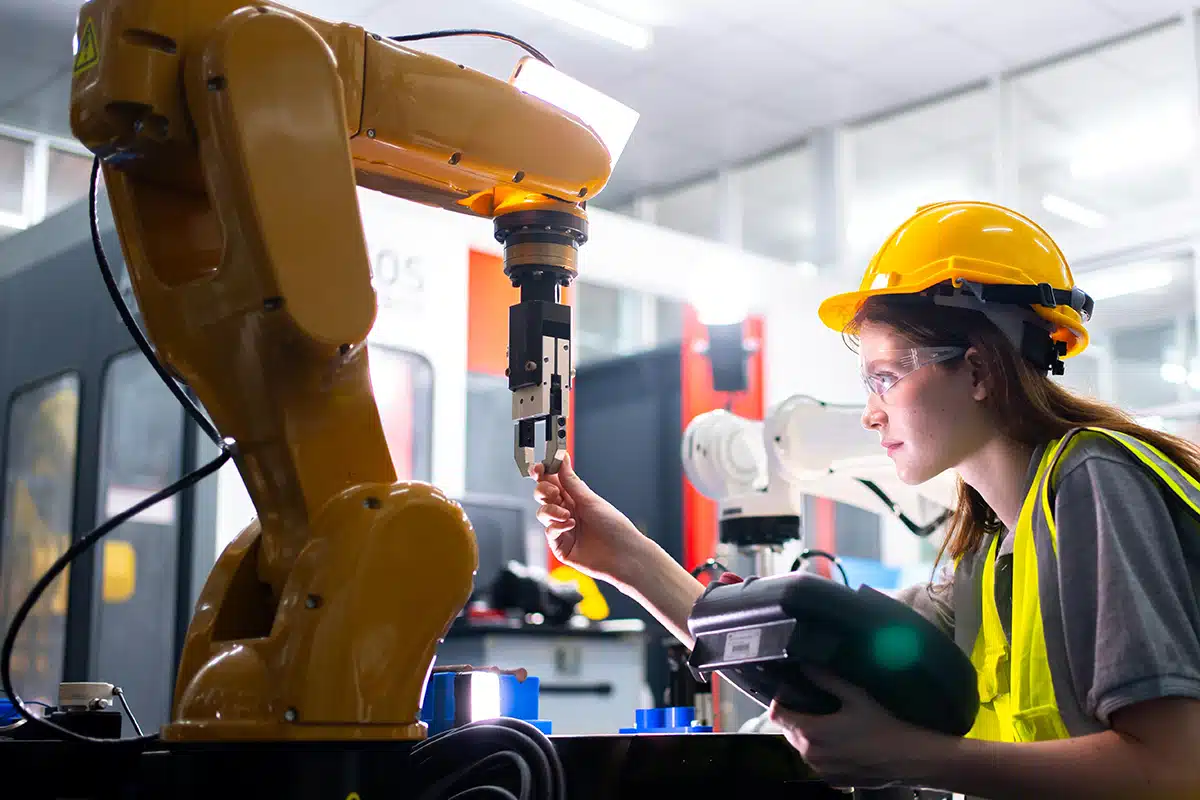
Hand-guided programming means factory workers need only minimal training to reprogram cobots.
  • Understand the Limitations: According to Ron Potter, Director of Robotics Technology for Factory Automation Systems, Inc., “many people don’t understand that collaborative robots are not a direct replacement for conventional robots.” While cobots have many unique advantages, keep in mind that cobots can’t compete with traditional robotic systems in some areas. For instance, your company needs to set realistic expectations for payload and speed when working with cobots in manufacturing.
  • Choose the Right Cobot: Cobots in manufacturing vary in size, power, price, precision, and functionality. The right cobot for you will likely depend on your budget and the problems you are trying to solve. If the world of automation is new to you, you may want to consult with a robotics specialist or an experienced integrator.

    Keep in mind when choosing a cobot that you aren’t just planning for the present. You need to account for compatibility with future expansions as well as existing systems. Fortunately, the versatility of cobots in digital manufacturing—the integration of digital technologies into the manufacturing process—can make the transition process less painful. Since cobots can easily be reprogrammed, they make it simple to meet changing production needs without significant additional costs or downtime.
  • Involve your current employees: In your automation journey, it’s important to involve your current employees. Your transition will go more smoothly if you emphasize that automation is not about employee replacement. Instead, it’s a way to allow employees to focus on higher value-added activities rather than the manual, repetitive, mundane tasks that can be given to robots. Another way to gain employee buy-in is through employee feedback. For example, most companies will need to analyze current manufacturing processes before choosing a cobot. Therefore, if you are doing a time-and-motion study to identify bottlenecks, don’t forget to solicit employee input. Employees can be one of the best resources for identifying tasks that are repetitive, dangerous, or labor-intensive—and therefore possibly a good fit for a cobot.
  • Develop a Detailed Road Map/Plan: You will need a detailed plan to keep all parties coordinated throughout the implementation process. This plan should include a timeline, a clear definition of roles and responsibilities, and steps to address potential risks. Your plan should also outline the parameters for a simulation test. Fortunately, specialized software is available that will allow you to create realistic simulations of your production process without risking production delays or defective products as you prepare for full cobot integration.

    Your road map should also include instructions for the actual integration, including proper employee training. And your plan shouldn’t end at cobot integration. Be proactive in monitoring and maintaining your new robotics system—establish a schedule for preventive maintenance and address problems promptly.

Because of their ability to leverage the best of humans and robots, cobots are here to stay. Through seamless integration with human workers, cobots are enhancing safety, productivity, and efficiency. With their flexibility, affordability, and ease of use, they are providing powerful solutions for companies of all sizes that are seeking to take advantage of the world of automation. Manufacturers that develop a detailed cobot integration plan—and prepare their human workers in advance—will be poised to take advantage of the cobot evolution that is underway.

A Manufacturing Partner You Can Rely On

PRIDE Industries offers an in-house design team, certified engineers, and a dependable workforce. Learn how you can receive all the benefits of automation and skilled labor—without unnecessary capital outlays.

Artificial intelligence (AI) may be a young technology, but its use has grown faster than just about every technology that preceded it. ChatGPT, for example, is now used by more than 92% of Fortune 500 companies. Clearly, AI is here to stay, with more and more companies adopting AI-enabled tools. But what about AI in facilities management? When does it make sense? And how do you get the most from this technology?

How Does AI in Facilities Management Work?

Simply put, AI has enabled the latest iteration of smart buildings. When combined with existing smart building technologies like the Internet of Things (IoT) and sophisticated building management systems, AI can make buildings far more energy-efficient than previously possible.

Software company Service Channel believes that by enabling machines and networks to learn from experience, process large amounts of data, and recognize patterns in the data, AI can automate time-consuming tasks and streamline workflows.

With its large quantity of repetitive, time-consuming tasks, facilities management is one of the industries that’s expected to benefit most from AI over the next few years.

“It’s been said that FM may be the industry that benefits most from AI in the coming years, especially given its large quantity of repetitive, time-consuming tasks. With AI-enabled technology in place, FM professionals will benefit from increased efficiency, reduced costs, improved contractor relationships, and a boost in asset reliability,” the company says.

There are many benefits to using AI in facilities management. Four areas, in particular, benefit from AI-enabled technologies.

Predictive Maintenance

Preventive maintenance—regular checkups to identify issues before they cause major problems—has long been an industry standard. The practice has been compared to dental hygiene, because both teeth and facilities require regular checkups to ensure everything is in working order.

Now, AI can revolutionize that process. Predictive maintenance goes beyond preventive maintenance by collecting data about individual and aggregate assets to determine the best schedule for both maintenance and inspection. Through the analysis of historical data and real-time sensor information, AI-driven systems can forecast equipment failures and arrange maintenance during scheduled downtime. This proactive strategy minimizes costly interruptions and unexpected repairs, extending the lifespan of equipment and lowering maintenance expenses.

By engaging in predictive maintenance instead of waiting for equipment to fail, facility managers can anticipate issues and address them before they cause significant problems. This is particularly valuable for critical systems where sudden failures can lead to substantial operational disruptions and financial losses.

Predictive maintenance is still a fairly new discipline, made possible by advances in data analytics and sensor technology. Technologies such as EAM (enterprise asset management) software and CMMS (computerized maintenance management systems) enable technicians to move away from reactive maintenance to a more predictive strategy of maintenance and repair. And now with AI, these systems are becoming even more useful.

Energy Management

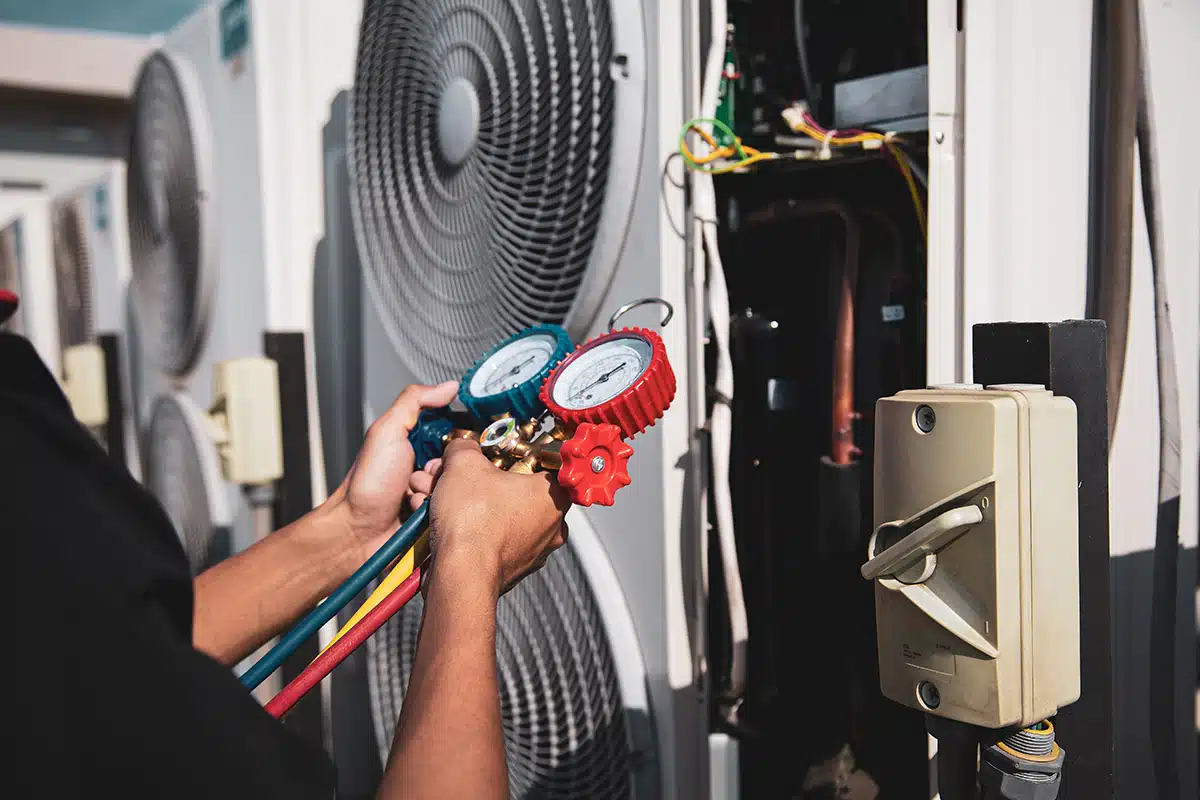
A close-up view of someone outdoors, holding a meter next to an HVAC system
Predictive maintenance can extend equipment lifespans and reduce maintenance costs.

Since the first “smart buildings” came on the scene in the early 1980s, the focus for designers and facility managers alike has been energy efficiency, and AI can take that efficiency to another level. Upgrading to AI-driven, smart equipment can increase energy efficiency by 30%, resulting in a payback period of fewer than 15 years.

Through an infrastructure of connected equipment, devices, and systems, IoT enhances communication and enables information to be shared in real time. But this data is useless unless it can be analyzed and acted upon in a timely fashion. That’s where AI comes in. Because AI systems can analyze vast amounts of data, facilities managers now have a tool that enables them to tailor energy use to the behavior patterns, activity levels, and environmental preferences of occupants, delivering a high level of comfort while using less energy.

Space Utilization

AI algorithms can analyze historical data and predict future space requirements based on such factors as workforce size, departmental needs, and seasonal fluctuations. This enables companies to adjust workspace design to meet evolving demands, minimizing underutilized areas and optimizing resource allocation. AI-powered tools can also generate optimized floor plans by analyzing employee preferences, workflow dynamics, and ergonomic considerations.

Enhanced Security

AI can also enhance surveillance and threat detection capabilities. The Security Industry Association notes that AI technology plays a significant role in multiple aspects of building security. For example, with intrusion detection and prevention systems, AI can help identify and respond to threats instantly, preventing incidents and mitigating damage and loss.

In addition, AI-powered analytic systems can be trained to identify specific objects and people, and then closely track their movements. These capabilities, along with facial recognition technologies, enable AI to identify individuals and authorize or deny their entry.

AI-enabled technologies can even thwart cybersecurity threats by monitoring and analyzing data network traffic in real time, strengthening network security, and identifying suspicious activities like unauthorized data access attempts or unusual data transfers—an important capability, given the increasing automation of HVAC and other building systems.

Should You Invest in AI?

AI offers numerous benefits for facilities management—depending on the facilities. Before going all in, you should consider such factors as your facility size, your current challenges, and your goals.

Integrating AI in facilities management can be an expensive proposition, which is why facility managers should carefully weigh the potential benefits against the costs. AI-driven facilities management tools require a substantial upfront investment, as new tools must be acquired and integrated into current systems. This entails spending on hardware, software, and training.

Among the costs are:

  • Hardware. This includes sensors to detect occupancy, temperature, and light levels. Once the data is collected and analyzed, hardware will also be needed to control HVAC, water, lighting, and other systems.
  • Software. Once data is collected, it has to be analyzed. Since most software today is licensed, these expenses will be ongoing. The data also must be stored and updated constantly, likely by a cloud-based provider, which is yet another expense.
  • Training. Your staff will need to be thoroughly educated to oversee and manage the AI systems.
  • Cybersecurity. AI systems require vast amounts of data, some of it personal, such as the tracking of who enters a building and when. For this reason, it’s important not only to build firewalls and other safeguards into your software systems, but also to hire people who know how to keep your data private and secure.
AI systems use factors such as workforce size, departmental needs, and seasonal fluctuations to predict future space requirements.

While the costs of adopting AI-enabled systems can be high, the expense is usually worth it, especially over time and for large facilities. If your company is one of the growing number of businesses opting to integrate AI in facilities management, be sure to plan carefully and take a systematic approach.

A Three-Step Approach to Using AI in Facilities Management

Planning is essential for getting the most out of AI-assisted facilities management. IFMA recommends a three-step approach for any organization undertaking a large-scale digital transformation:

1. Prepare a comprehensive request for proposal. IFMA calls it the cornerstone of a successful partnership and suggests following this path:

  • Create clear objectives with tangible outcomes and measurable KPIs. This will allow managers and vendors to chart a coherent and aligned path forward.
  • Flesh out technical specifications. Be sure to specify required software integrations and data migration protocols.
  • Develop a realistic budget and timelines. This will allow vendors to prepare more accurate and tailored proposals, reducing the risk of future financial disagreements or timeline disputes.
  • Determine vendor qualifications. Review their past projects, their certifications, and feedback from previous customers.
  • Set clear response and evaluation criteria. This not only sets expectations up front, but also paves the way for an objective assessment once the project is completed.

2. Conduct a digital facility audit. This entails cataloging every digital asset, conducting a SWOT (strengths, weaknesses, opportunities, and threats) analysis, using feedback and surveys to gain employees’ perspectives, and preparing a cost-benefit analysis to help ensure investments are channeled effectively.

3. Develop best- and worst-case scenarios for such issues as implementation cost overruns, technological incompatibilities, user resistance, and security vulnerabilities. This will allow you to anticipate potential problems and develop solutions ahead of time, which is sure to save you time and money.

AI isn’t a one-size-fits-all solution, but it can be transformative when implemented strategically, enabling companies to streamline operations and even compensate for a loss of skilled labor. By following the steps above, you can ensure that you reap the benefits of this revolutionary technology, at the lowest cost and with the least disruption.

A Facilities Management Partner You Can Rely On

PRIDE Industries has over 35 years of experience in facilities management, energy systems maintenance, engineering services, and preventive and predictive maintenance. Our state-of-the-art CMMS systems can help you optimize your facility’s systems to lower both energy and maintenance costs. Contact us today to see what our award-winning facilities management services can do for you.

When the Wright brothers built their first plane, its construction was straightforward. A simple 12-horsepower engine powered the 40-foot-wide aircraft, which was made mostly of fabric and wood. The plane’s most technologically advanced component was its mechanical control system, which used pulleys and levers. Today, planes are in many ways more like flying computers. And the PCBAs of aerospace electronics have become as integral to aerospace technology as the pulleys and levers of the Wright era.

PCBAs are used in a variety of aerospace vehicles, including planes, satellites, and space shuttles. And because of the demanding conditions of air and space travel, and the serious consequences of a component failure, the manufacture of PCBAs destined for this industry must adhere to the highest standards. Whether enabling a plane’s collision avoidance system or providing satellite communication, PCBAs used in aerospace technology must perform within strict parameters.

Material and Manufacturing Considerations for Aerospace Technology PCBAs

PCBAs destined for aerospace technology are a special breed, required to withstand the harshest of conditions, in situations where failure can be catastrophic.

The requirements for PCBAs used in aerospace technology are similar to those for car electronics—with the important distinction that operating conditions are much harsher. PCBAs used in aerospace applications must hold up to extreme vibration and intense temperature fluctuations. And, unlike car electronics, routine maintenance isn’t as simple as a trip down the road to the local mechanic. For example, once launched, satellites are rarely repaired, because of the prohibitive cost. For this reason, reliability is an essential quality for PCBAs used in aerospace technology.

To meet the high demand for reliability, manufacturers use materials that are specific to aerospace technology. Whereas a traditional PCBA application might incorporate a copper weight of one ounce per square foot, aerospace PCBAs need heavier copper—at least three to four ounces per square foot—to achieve higher current-carrying capacity and greater heat dissipation.

Specific manufacturing methods are also required to produce aerospace PCBAs that can withstand harsh conditions. Conformal coating—a thin protective polymeric film that is applied to PCBAs—is especially important in the aerospace industry. This breathable coating allows moisture to escape while still protecting the board from contamination. It also provides electrical insulation, enhances reliability, and prevents failures such as current leakage and corrosion.

In addition to using conformal coating, aerospace technology manufacturers often press component pins to the circuit board rather than simply soldering them. This press-fit technology helps a PCBA hold up better to extreme vibrations. Additionally, this approach enables the PCBA to withstand thermal cycling—the back and forth between extreme temperatures that planes experience.

PCBAs destined for aerospace technology are a special breed, required to withstand the harshest of conditions, in situations where failure can be catastrophic. This is why adherence to best practices is especially critical for this industry. If a PCBA isn’t able to withstand high levels of radiation, for example, it will damage easily, since there is no atmosphere in space to absorb high-energy particles. And this is just one of many considerations that PCBA manufacturers must contend with.

So how can you be sure your company is meeting these high standards? And how do you show your aerospace customers that they can rely on your PCBAs? In a nutshell: Test and certify.

Perform Proper Testing

To be successful, manufacturers of PCBAs used in aerospace technology must prioritize quality control. One way to do this is to properly test PCBAs under a variety of harsh conditions. For example, testing for temperature variations is important, as aircraft cycle through extreme temperatures multiple times a day, reaching an exposure of -50 degrees when at 10,000 feet. In addition to extreme temperature variations, other variables include pressure changes, radiation exposure, and vibration. Below are tests that should be performed on any PCBA designed for aerospace use.

  • Peel-Off Test: This test evaluates the adhesion strength of coatings, such as conformal coatings, to the circuit board surface.
  • Drop Test: Dropping the PCBA from various heights simulates sudden impacts or vibration during flight and enables manufacturers to assess mechanical robustness.
  • Thermal Aging: Exposing a PCBA to elevated temperatures for extended periods of time simulates long-term aging, testing the board’s durability.
  • Pressure Test: This test evaluates the PCBA’s ability to operate under high-pressure conditions such as high altitudes.

If your company lacks any of these testing capabilities, consider teaming up with a contract manufacturer. A good third-party partner can be a great resource as they will have the design-for-excellence (DFX) capabilities to meet your design and testing requirements. Further, an experienced partner can ensure best-in-class manufacturing by having SMTA-certified engineers in house.

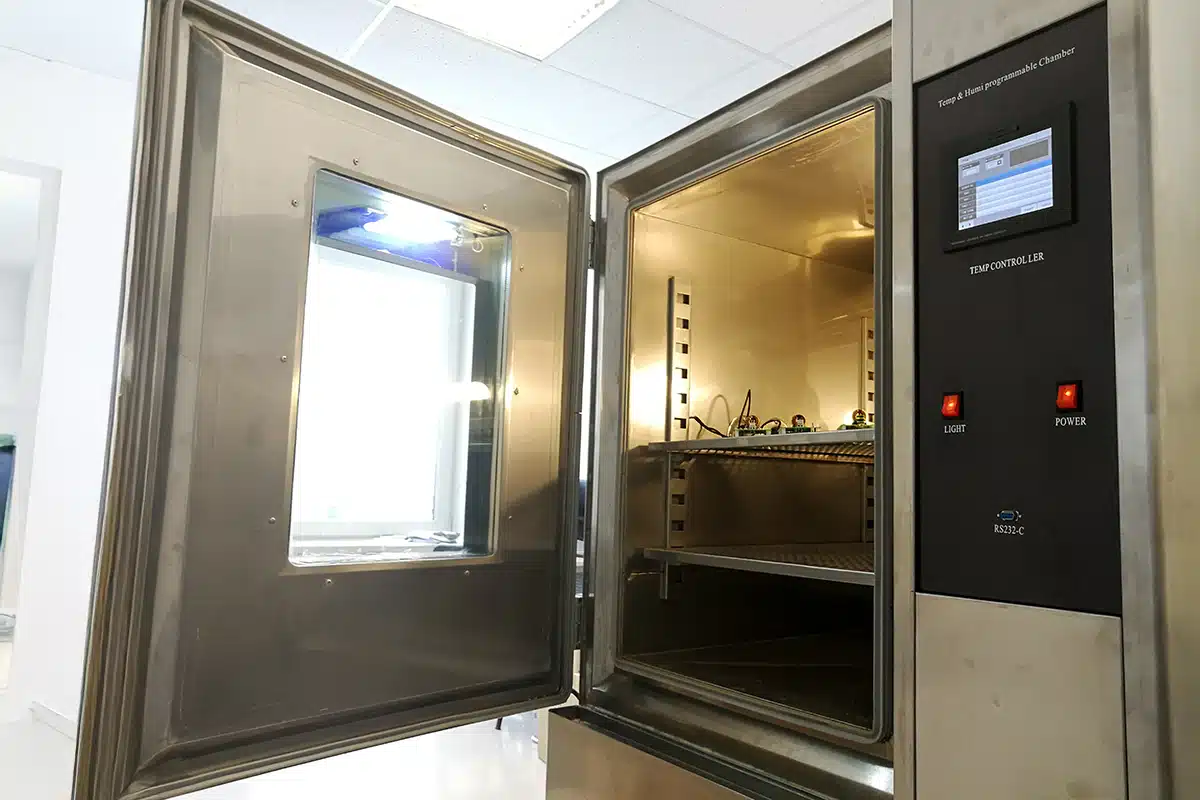
Exposing a PCBA to elevated temperatures for extended periods of time simulates long-term aging, testing the board’s durability.

Follow Aerospace Technology Standards and Obtain Certifications

Because there is little room for error, manufacturers of aerospace electronics must adhere to exacting standards that address safety, testing, and other considerations.

The gold standard for the manufacture of machines and parts for the aerospace industry is AS9100. This standard emphasizes risk identification, assessment, and mitigation, and has requirements specific to the aerospace industry for such factors as airworthiness, safety, risk management, and product configuration.

Many aircraft manufacturers, defense contractors, and suppliers worldwide require AS9100 certification or compliance as a condition of doing business. Adhering to this standard—or using a third-party manufacturer with AS9100 certification—provides consistency, reduces verification audits, improves supplier performance, and cuts oversight costs in the manufacturing process.

IPC Class 3 is another important set of standards, as they ensure the highest level of quality and reliability for PCBAs—essential for boards that are used in high-stress applications such as aerospace technology. These standards ensure continuous, uninterrupted performance and are crucial for creating high-reliability electronics where any amount of downtime is unacceptable. One key standard in this class is IPC-6012. Both IPC-6012, and the related standard IPC-A-610, should be met when producing class 3 boards. An addendum to the IPC-6012 standard, known as IPC-6012 ES, specifically addresses requirements for rigid printed circuit boards used in space and military applications.

Don’t Forget Registrations

A satellite in orbit above Earth
PCBAs used in planes, satellites, and spacecraft must operate reliably under demanding conditions.

Beyond certifications, you must also consider necessary registrations. For example, companies working on defense-related aerospace projects need to have International Traffic in Arms Regulations (ITAR) registration. ITAR registration is not a certification. Rather, it is a legal requirement to register with the U.S. Department of State’s Directorate of Defense Trade Controls (DDTC). Registration helps the U.S. government control sensitive military technology by restricting physical components—and the knowledge of how to produce those components—from access by non-U.S. entities.

ITAR registration is mandatory for all individuals and companies involved in manufacturing, exporting, temporarily importing, or brokering defense services. To comply with ITAR, you must make sure that all your staff are either U.S. citizens or qualify for an exemption by meeting certain criteria for residency and proof of independence from foreign influence. In addition, any third-party partners you work with on sensitive products must also be ITAR-registered.

Violating ITAR regulations can have serious consequences, including:  

  • Revoked contracts – ITAR registration rules are strict, and ignorance of these rules is not accepted as a reason for non-compliance. Companies that do not fully comply with ITAR requirements may lose contracts.
  • Fines/loss of aircraft – Non-compliance can also result in financial penalties. Organizations, as well as individuals, can face fines of up to $500,000—per violation. Additionally, any vessel, aircraft, or vehicle involved in the non-compliance issue may be seized or forfeited.
  • Criminal charges – Depending on the violation, consequences go beyond civil penalties. Certain types of regulatory breach are considered criminal and carry fines of up to $1,000,000 per violation—and up to 10 years in prison for the guilty parties.

Where Do I Start?

Certifications, registrations, standards—it can all seem overwhelming. So how can you start your journey, or ensure you’re on the right path? Turn to the experts! Manufacturers can learn about certifications, required registrations, and best practices from organizations like the ones below:
  • The Federal Aviation Administration (FAA): This U.S. government agency oversees the manufacture of aircraft and their components. It also evaluates new technology. While the FAA is primarily responsible for overseeing civil aviation, it also has a specific branch—the Military Certification Branch—which is dedicated specifically to aerospace and military certification.
  • International Aerospace Quality Group (IAQG): The IAQG is a cooperative global organization focused on improving quality and reducing costs throughout the aerospace supply chain. This nonprofit develops standards, such as AS9100, and creates guidance materials as a resource for companies to use throughout the supply chain.
  • Aerospace Industries Association (AIA): The AIA is a trade organization for the aerospace industry, representing manufacturers and suppliers. While the AIA does not directly certify organizations, it does provide publications and guidance documents to help members navigate the strict certification and regulatory requirements of the industry.
  • IPC: This global association was founded in 1957 by six printed circuit board manufacturers. The association’s mission is to help OEM, EMS, and PCB manufacturers; cable and harness manufacturers; and electronics industry suppliers to build better electronics.

Reducing Your Risks

Aerospace technology companies require reliable, high-performance PCBAs manufactured to exacting standards. Meeting these standards can be a challenge, which is why it sometimes makes sense to partner with a third-party manufacturer who has the necessary registrations and certifications. In addition to ensuring your boards comply with the proper standards and regulations, the right partner can reduce your supply chain risk by sourcing quality parts at competitive prices, and can even help you streamline your manufacturing process—without sacrificing the high reliability and durability required of aerospace technology PCBAs.

PCBA Manufacturing for Aerospace Applications

From designers to engineers, PRIDE Industries has the personnel you need throughout your PCBA manufacturing journey. Our AS9100 certification, ITAR registration, and in-house SMTA-Certified Process Engineers ensure you receive the highest quality results while meeting all relevant aerospace industry standards and regulations.