Electronics Manufacturing

The term “electronics manufacturing” encompasses a broad range of industries, from consumer electronics to aerospace. But not every contract electronics manufacturer has the broad range of capabilities necessary to serve more than one or two industries. In other words, the contract manufacturer that does such a great job building a toy robot may not be the best choice for building an optical transceiver. That’s okay, as long as the electronics manufacturing service (EMS) provider you choose has the capabilities you need for your particular device. To make sure that your product is in good hands, be sure to keep the following in mind.  

Medical Devices

If your product is a medical device, then at a minimum, your EMS provider must be ISO 13785 certified. But this certification is just the beginning. Medical devices must meet exceptionally high production standards, which means your product will likely require a customized manufacturing solution—one that incorporates rigorous testing. In addition, your EMS provider should have engineers on staff who can review your design to catch any potential issues that might compromise the product’s safety or reliability.

Aerospace and Defense Products

If your products are destined for aerospace or defense customers, then security and reliability are key. Your EMS provider should be ITAR registered, not just for manufacturing, but all along the supply chain. Your provider should also be familiar with the demands of building and shipping secure devices and should be able to deliver complex assemblies while meeting strict national security standards. At a minimum, it should adhere to NIST standards and employ up-to-date technology—like ESD flooring to protect sensitive microelectronics, and AOI systems to detect even minute flaws early in production. Ideally, your provider will also be able to securely pack, ship, and track your products.  

Consumer Electronics

If you sell electronic devices to the general public, then you need an EMS provider who can respond quickly to modifications and/or upgrades to your product. Consumer tastes are ever changing, and products need to evolve in response. If your EMS provider has engineers on staff who can help you tweak your product’s design and quickly modify the manufacturing process, you’ll be able to meet consumer demand before it morphs yet again. Ideally, your EMS provider should also offer shipping and logistics services with a strong predictive capability, so that you can respond rapidly to fluctuations in demand. An experienced provider can ensure that you don’t carry too much expensive inventory, or miss out on potential sales because of a product shortage.

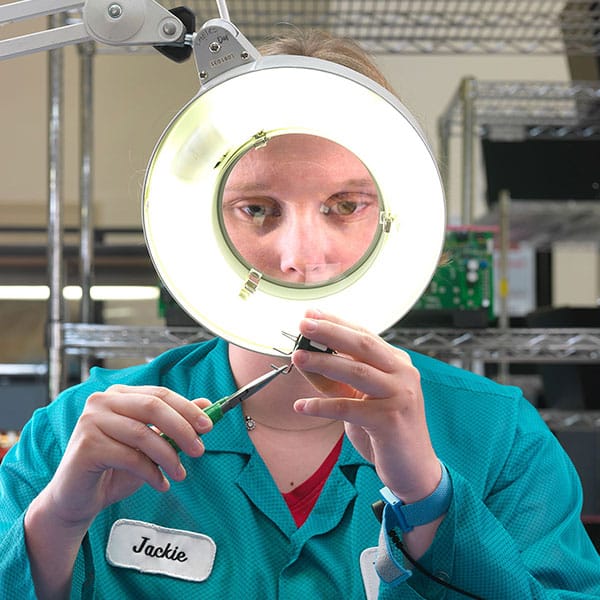
The contract electronics manufacturer that does such a great job building a toy robot may not be the best choice for building an optical transceiver.

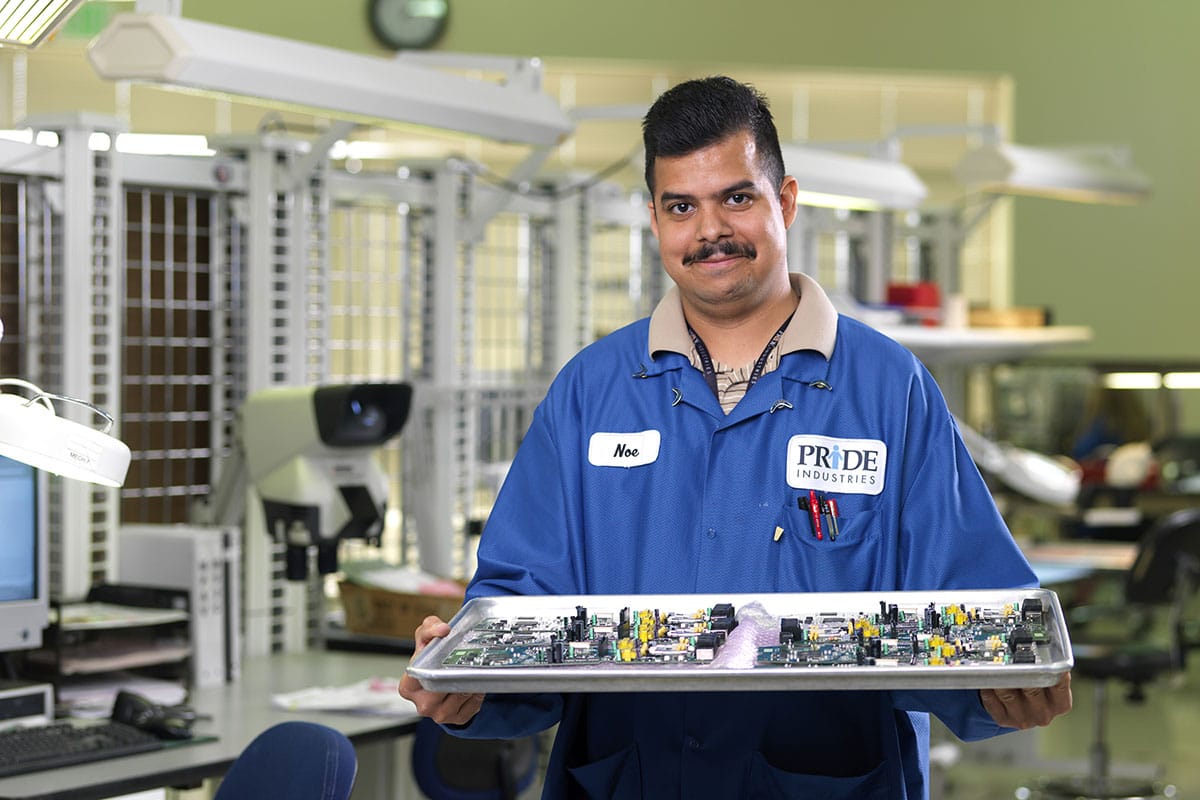
electronics manufacturing worker
An EMS provider should be able to analyze your prototype and suggest ways to optimize material use.
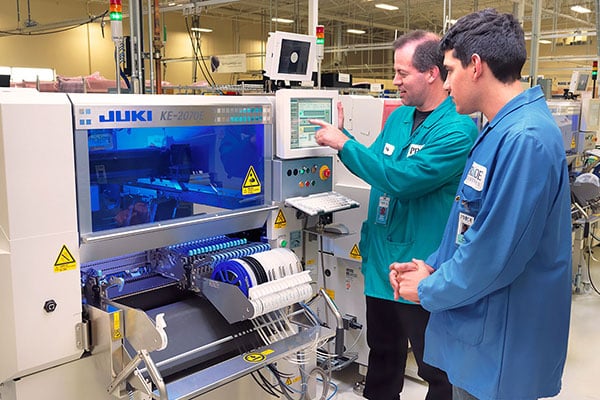
Two employees in blue coats working on manufacturing floor machine
For quicker time to market, make sure the EMS provider you choose employs advanced technologies.

Finding a Contract Electronics Manufacturer – The Fundamentals

While it’s true that many manufacturers specialize in delivering services to a particular industry, there are a few qualities that are shared by all top-notch EMS providers. Here are the capabilities your manufacturing partner should have, no matter your industry.

Industry Experience: Whatever your field of electronics, life will be easier if your EMS provider has experience working with products like yours. In the same way that surgeons gain expertise with every operation they perform, manufacturing engineers are in many ways the sum total of every product they’ve helped bring to market.

Technical Expertise: Speaking of engineers, be sure your EMS provider has the technical expertise your product demands. Simple products don’t need an engineer’s involvement, but if your electronics device has multiple functions, an engineer with deep PCBA experience can help you streamline your board design without losing functionality.

DFM Services: Your engineers may have come up with an elegant product design, but how easy is it to build? A strong EMS provider will have engineers who can analyze your prototype to make sure your product can be built at a reasonable cost and speed. For example, they may recommend off-the-shelf components to replace custom parts, thus lowering the production cost.

Testing Services: Your manufacturer should regularly test the products coming off the line, especially early batches, so they can catch any systemic errors early on. Keeping faulty products from making it to market will save you from making warranty repairs or sending replacements to customers. To make this easy and inexpensive, your device should be designed with testing in mind—something a capable manufacturing partner can help with.

Certifications and Registrations: An easy way to get a sense of an EMS provider’s capabilities is to look at the certifications they hold. At a minimum, the provider should be ISO 9001 certified. For sophisticated devices, make sure your provider has SMTA-certified engineers on staff. Depending on your industry, you’ll also want to check for specialty certifications and registrations, like ISO 13485 certification for medical devices, and ITAR registration for defense products.

Advanced Technologies: What technologies does the EMS provider offer? For example, is it capable of in-house 3D printing of jigs, fixtures, and ESD-safe tools? Does it have a laser available to easily etch and cut metals? An EMS provider that has these technologies on hand can greatly speed your time to market.

Awards: Though not as important as certifications and registrations, awards do tell you something about the quality of the contract manufacturer, especially if those awards come from customers.

Environmentally Responsible: Most companies today are working hard to green their manufacturing processes and ease the environmental footprint of their products. If this is a priority for your company, then look for an EMS provider that incorporates circular-economy principles into its manufacturing processes and can help you design a product with a sustainable lifecycle.

Supply Chain Services: A manufacturing partner that’s skilled in supply chain management can help you source less expensive components and make it easier to navigate global supply disruptions. It can also help you eliminate waste and redundancy and maximize the recovery of useful material at your product’s end of life.

Fulfillment Services: Packaging and shipping is the last mile of the production process, and a full-service EMS provider will offer this. Ideally, your provider should be able to track your products from the factory floor to the point of sale, facilitating returns and allowing you to gather valuable user data.

Your Smart Manufacturing Partner

Are you looking to streamline your supply chain? Design your product for easy manufacturing? Or maybe you’d like to wring more profit at the end of your product’s lifecycle. Whatever your priorities, the engineers at PRIDE Industries can help you reach your manufacturing goals.
Industries that depend on integrated circuits are seeing profits suffer across the board. The best-known example is the automotive industry, which lost $210 billion in 2021, and is on track for a similar result in 2022. But cars aren’t the only products that rely on semiconductors. The consumer electronics, LED/lighting, and medical technology sectors have also seen their profits take a hit. And while the semiconductor shortage is lessening, it’s still impacting profits throughout the electronics industry.

Medical device manufacturing, for example, has yet to return to normal, and that’s reflected in the profit-and-loss statements of many manufacturers. ResMed, Medtronic, GE Healthcare, and NuVasive Inc. all recently downgraded their expected earnings. And while medical technology hasn’t suffered as much as other sectors of the economy, that’s small comfort to the users of these products, whose very lives depend on CPAP and other machines.

The CPAP shortage is especially bad, with wait times of several months in some cases. And these shortages have been made worse by unexpected recalls. Medical device suppliers are still recovering from the 2021 Class I recall of more than 5.5 million sleep apnea and ventilator devices by Royal Phillips.

The Great Supply Chain Miscalculation

It wasn’t just supply chain disruptions that led to the ongoing chip shortage. Some chip buyers also miscalculated—and that mistake has cost them dearly. In the early days of the pandemic, major buyers expected a global recession, and scaled back their chip orders accordingly. But the recession didn’t materialize. In fact, the opposite occurred. Demand for telecommunications technology and consumer electronics surged, catching chip makers and their customers by surprise, and contributing to chip shortages in other industries as well.

Back in January, the U.S. had only five days of chip inventory, at a time when demand for chips was actually increasing. As U.S. Commerce Secretary Gina Raimondo said at the time: “We aren’t even close to being out of the woods. The semiconductor supply chain is very fragile and it’s going to remain that way until we can increase chip manufacturing.”

CHIPS Act Designed to Ease Semiconductor Shortage

In August, the government took direct action to alleviate the semiconductor shortage with the passage of the CHIPS and Science Act. The act is designed to turn the U.S. into a major manufacturer of semiconductors and to counter China’s dominance in this arena. It provides $280 billion for domestic research and manufacturing of semiconductors. More than $50 billion of that funding is being used to entice manufacturers to open domestic production centers. And the carrot is working. Intel, Samsung Electronics, and Texas Instruments are all moving forward with new U.S.-based factories that should come online sometime in 2024.

While that’s good news, it will be a while before chip production reaches comfortable levels. The war in Ukraine has disrupted the global supply of krypton and neon, two critical chip-making ingredients. Similarly, COVID-19 outbreaks in China—and the government response to those outbreaks—have reduced the industry’s lead frames stockpile. So even though chip-making costs have dropped from their highs earlier this year, they are still running nearly 20% above pre-pandemic levels. And lead times for some chips can be nearly 50 weeks.

MedTech Companies Learn to Adapt

While the supply chain is recovering, the process has been a slow one, and there is still a lot of uncertainty. To cope, some companies have redesigned their products, even changing their functionality in some cases. When ResMed Inc. found it nearly impossible to acquire cellular communication chips, for example, it redesigned its CPAP and APAP machines to work without those chips, and rebranded the products as card-to-cloud devices.

Other companies have adapted to the chip shortage by switching from custom to standard parts. PRIDE Industries recently helped one of its long-time customers  redesign a best-selling Class II medical device. The custom chips the product relied on were simply no longer available, so PRIDE Industries reworked the design to use widely available standard components. The new design performed every bit as well as the previous one, with no loss in product functionality. And the entire effort—from initial redesign to finished assembly line—was accomplished in three months, minimizing disruptions for the customer.

Hope on the Horizon

There’s no question the chip shortage is still causing problems. But U.S. companies are responding with inventive solutions. Through redesigns and rebranding, they’re managing to meet customer expectations, and slowly but steadily regaining normalcy in their product delivery.

Long term, the future looks bright. Semiconductor availability is improving, and when it comes to the chip supply, the end of 2022 is definitely better than the beginning. Domestic production is already ramping up, and if trends continue, 2023 could be a happy new year for both electronics manufacturers and their customers.

Secure Your Manufacturing

Are supply chain shortages disrupting the manufacture of your electronic device? The engineers at PRIDE Industries can offer solutions. Contact us today to learn how we can optimize your product’s design to meet all your manufacturing goals.

Andrew Williams is the Engineering Manager for Electronics Manufacturing at PRIDE Industries. He has more than 30 years of experience in manufacturing and design and holds an SMT Process Engineer certification from SMTA. Andrew is a guest lecturer at UC Davis and CSU Sacramento for Supply Chain Management, Operations, and TQM courses, and speaks frequently on DFM, DFS, and other DFX topics. In the interview that follows, he describes how the current global situation is impacting design for manufacturing and manufacturability (DFM) and gives his take on what manufacturers should plan for in the coming year.

Q: Why is design for manufacturing important?

Andrew: Designing your electronics device with the manufacturing process in mind lets you produce a high-quality product at a lower cost. At PRIDE Industries, for example, we try to avoid nonstandard components that have to be soldered by hand. In most cases, it’s less expensive to use parts that can be installed using machine-based processes. This approach is also faster and ensures greater consistency—unlike humans, machines don’t get tired and create imperfect solder joints. And of course, having machines do the job of soldering is safer for workers.

Successful DFM efforts create a win-win for our customers and for us. It allows us to develop a much cleaner manufacturing and assembly process for the product. We look to avoid custom processes as much as possible by creating a highly efficient, streamlined manufacturing and assembly line. This reduces labor time, which reduces cost. And the cleaner the manufacturing process, the lower the risk of a bad outcome. The percentage of wasted units is greatly reduced because products turn out consistently viable. That’s why when we review a product design through a DFM lens, we’re able to make suggestions that will ensure a high-quality product at a lower price.

Q: How are global supply disruptions affecting design for manufacturability?

Andrew: Supply chain shortages are requiring PCBA design engineers to get creative. For example, we’re seeing a situation now where parts that used to be easily sourced in tape-and-reel format are now only available in bulk. This means they can’t be loaded by machine; they have to be hand-soldered or sent out to a third party to be reeled, which adds time and cost. Recently, we had to redesign the manufacturing process for one customer’s product because the surface mount connector it uses is now only available in bulk form. We’re encountering this situation fairly often now.

The problem is that there’s often only one supplier for a custom part, which can put a whole product at risk. Standard parts, on the other hand, can be sourced from multiple suppliers, who at a minimum will carry alternate parts that do not require design changes. So, for now at least, we’re recommending to our customers that they move away from custom parts whenever possible.
For example, one of our customers built their product around a single-board computer module known as a Raspberry Pi. Because Raspberry Pi’s are both inexpensive and reliable, that decision allowed the company to produce a great product at a low cost. But recently, Raspberry Pi’s have become extremely hard to source; they won’t be widely available until late 2023. That’s the sort of situation no manufacturer wants to be in. But it’s happening way more often than it used to—which is keeping us pretty busy helping customers find solutions.

We recently helped another customer get around a similar supply chain shortage. The main processor for their product was backlogged for more than six months, so we helped them design a drop-in replacement. We worked closely with the customer to redesign the motherboard so it could work with a processor that’s readily available now. This product is a Class II medical device, so our customer had the added challenge of ensuring compliance with FDA regulations. But even with that constraint, we managed to do it all—redesign, prototype, quality testing, and manufacturing changeover—in under three months.

Redesigns like this are becoming more common now, as OEMs adapt to supply chain shortages. And again, one of the best ways to streamline the manufacturing process and get around supply chain issues is to switch custom components to easily sourced standard ones. That’s not always possible, of course, and in those cases, I’ve seen some manufacturers change the functionality of the product itself. As I said, engineers are getting creative.

Q: Besides supply chain shortages, what other factors are currently influencing manufacturing design?

Andrew: End-of-life considerations are more important now than they were even just a few years ago, for a couple of reasons. First, the secondary market for components has grown more robust. Some manufacturers are now working with recyclers to harvest components for resale. Depending on the product, it can be a respectable revenue stream, and who wouldn’t want to gain additional revenue from end-of-life products? Obviously, harvesting components is a lot simpler when products are designed with that in mind. The faster you can extract boards and other components, the more profit you make from the original product. For example, a good way to reduce labor costs in that situation is to eliminate non-removeable adhesives or one-time-use screws.

Sustainability is important too. There are websites now that track the environmental footprint of all kinds of products, including electronics. So making products with parts that can be resold, and that use plastic that’s more easily recycled…OEMs are starting to pay attention to those considerations because it’s starting to have an impact on their public image.
Consumer preference is also having an impact, especially regarding a product’s rework-ability. More and more, people want to be able to modify the electronics they buy, and they can get frustrated with black boxes. They figure they own the product, so they should be able to open it up. Some people worry about e-waste, and others just want to tinker. And they’re willing to pay more for a product that lets them do that. DFM can help companies give that experience to their customers at low or no cost. Something as simple as keeping the programming connector on the board can make a world of difference to the end user. Customers appreciate that, because they know the company is thinking of them, and trying to give them a good user experience.
My favorite example of this is the Roomba. There were so many customers using Roombas as a foundation for their own robots that the company started producing a version that’s purposely easy to hack. It’s easy to add additional sensors, for example. This product is meant to be modified by the consumer; they can upgrade it or even change its purpose. The designer made that possible, and customers appreciate it. And that has led to additional sales for the company with a line of educational robots.

Right now, there are companies that are losing repeat business because customers don’t like being locked out of a product they paid good money for. End users aren’t renting these devices, after all. These days, you gain customer loyalty by opening up your product. That means skipping the glue and the proprietary screws. It means not overmolding, not bonding parts to the circuit board. Of course, some products have to be overmolded for durability, and some have to be ultrasonically welded because they require high security. But that’s not the case for a lot of consumer products.

Q: What should electronics manufacturers look for in a DFM partner?

Andrew: An EMS provider should offer a basic DFM review as part of its standard service. A basic review shouldn’t be an add-on cost. This type of analysis is required up front to design the most efficient and cost-effective manufacturing and assembly process. At PRIDE Industries, our initial DFM reviews are free, because that allows us to maximize quality and minimize cost. It’s part of getting an accurate quote for services, part of the business relationship.

In addition, DFT is always a consideration. On my team, one of the things we look at in our basic design reviews is testability. We make sure that our engineers will be able to thoroughly test the product when needed. That’s one way we ensure that only reliable, high-quality products make it out the door.

Some customers require more than a basic DFM review, so a DFM partner should have engineering personnel who have that level of expertise. Engineers with a background in PCBA design are ideal. This is especially true for a product redesign. At PRIDE Industries, we have engineers on staff with backgrounds as PCBA design engineers, and we also use Altium software that allows us to conduct highly detailed, in-depth product analyses. This service isn’t free, but the money saved in manufacturing costs more than pays for it. An in-depth review can also reveal ways to improve a product’s functionality or discover a configuration that will put less stress on components, which definitely impacts quality.

A good DFM partner will understand your priorities and help you configure your product to meet your goals. For example, there are times when customers have to break with DFM best practices in order to reach a certain level of performance. In that case, our job is to let them know what the tradeoffs are. Some products are just hard to build, but you can still streamline the process as much as possible by utilizing solutions like custom fixturing or inventing new process techniques, so that you get the functionality you want at the best possible price. And this is where experience really pays off. A DFM-focused engineer who’s worked on hundreds of different devices will know how to optimize your product. I know engineers who’ve been doing this so long that they’ve gained an intuitive feel for good board design. Degrees are good, but experience is paramount when it comes to DFM.

Streamline Your Manufacturing

Are supply chain shortages disrupting the manufacture of your electronic product? Are you seeking to wring more profit at the end of your product’s lifecycle? Or do you want to build a more sustainable device? Whatever your priorities, the engineers at PRIDE Industries can help you reach your manufacturing goals.
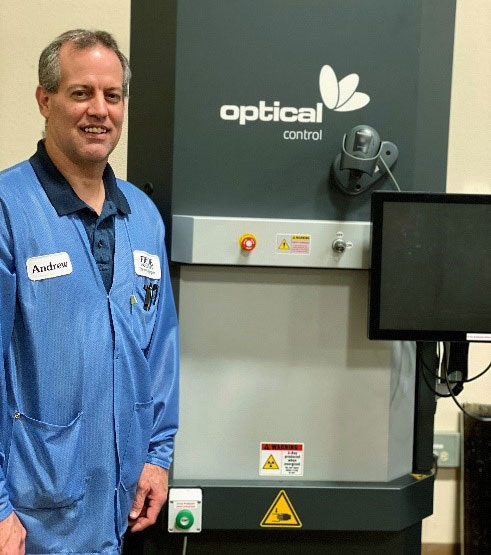
Andrew Williams
Andrew Williams
Benefits of DFM
  • Greater product consistency
  • Lower product loss
  • Higher quality product
  • Lower per-unit cost
  • Can provide greater sustainability
  • Can improve rework-ability
  • Increases end-user satisfaction
PRIDE Industries worker in electronics
A basic DFM review can streamline both machine- and hand-processed operations.

In 2019, the U.S. generated nearly seven million tons of electronic waste, only 15% of which was recycled. The rest ended up in landfills. According to Earth911.com, a recycling database, the value of the raw materials contained in this unrecycled e-waste was approximately $7.49 billion. This waste of costly materials isn’t just bad for the planet, it’s bad for business too, and companies are taking notice. E-waste recycling has long been important to a company’s image, but now there are real financial benefits as well.

Today, electronics manufacturers are taking steps to claw back useful materials from their discarded electronics, helping both the environment and their bottom line. Several major manufacturers now accept expired electronics for recycling, including Apple, Dell, Microsoft, and Samsung. And all these manufacturers have programs in place that allow them to benefit from almost every stage of the recycling process.

Refurbish and Resell: The Easiest Type of E-Waste Recycling

Both Apple and Dell allow customers to trade in their old devices when they buy a new one. Consumers get a modest credit to put towards a new device, and the manufacturers get a product they can refurbish and sell at a profit. Of course, some of these devices are so out of date that they can’t be refurbished. In this case, the consumer doesn’t earn any credit towards a new device, but most customers still feel good about turning in the product for recycling, and this generates a sense of goodwill towards the manufacturer.

Take-back programs benefit both consumers and the environment. They also boost the corporate image of the electronics manufacturers who run these programs, since by refurbishing electronic devices for resale, these companies can rightfully claim that they’re helping to ease the strain on landfills. And now, thanks to improving technology and innovative revenue-sharing programs, e-waste recycling programs are also benefitting the profit margins of these electronics manufacturers.

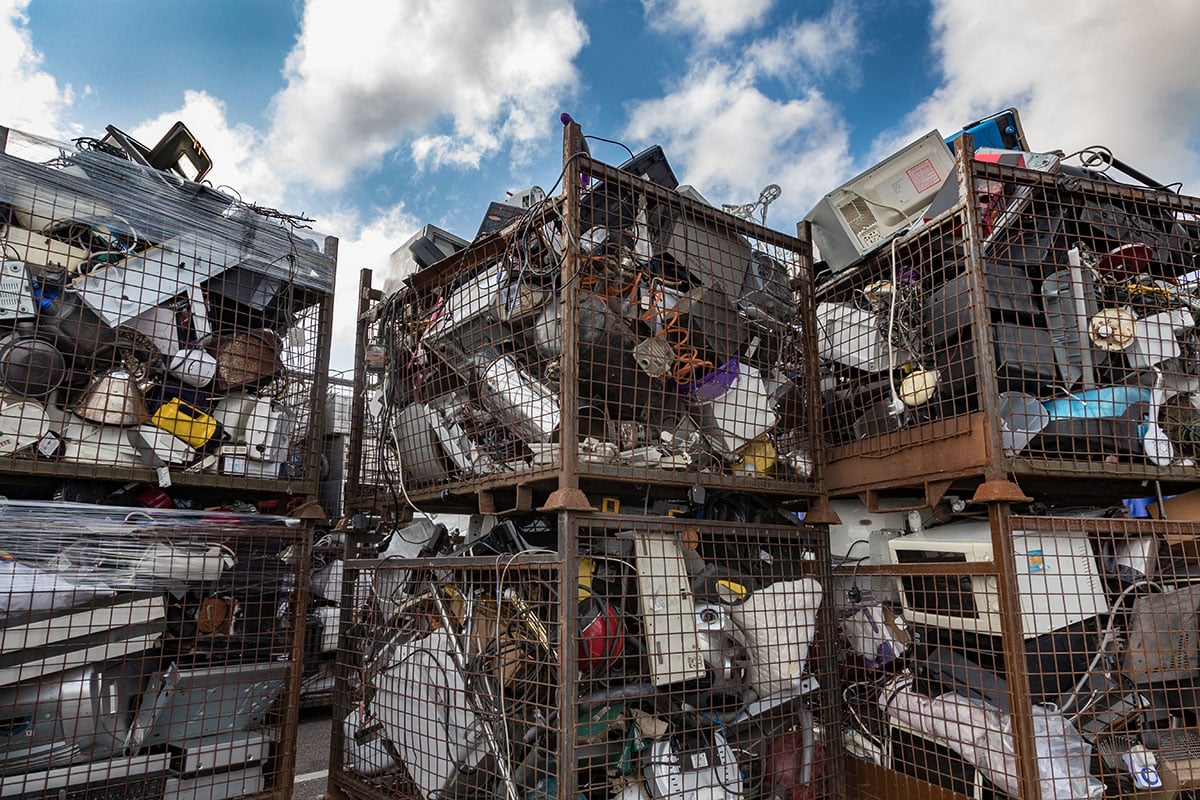
e-waste example
E-waste recycling is good for the planet and good for your company’s image. And now it’s a source of revenue too.

Repurposing Components

Not every device that gets turned in for recycling can be updated and resold. In these instances, manufacturers partner with an e-waste recycler to recapture some of the value of these used electronics.

The first step in recycling an electronic device is to pull out those components that can be repurposed “as is.” All the major recyclers harvest usable components from old electronic equipment before sending the leftovers to be recycled. Keyboards, screens, hard drives (wiped clean, of course), processors, memory units, and motherboards can all be given a second life in a new device.

It takes time and skill to remove an individual component from an electronic device. And then the recaptured part must be cleaned, checked for functionality, and packaged for sale. But the labor-intensive effort is worth it. A server’s hard drive, for example, can fetch $300 on the secondary market.

And where are these hard drives, motherboards, and other parts sold? Most go to wholesalers, but if you shop for electronics components on eBay, you may have bought one of these repurposed parts. 

Large recyclers have revenue-sharing arrangements with their Fortune 500 customers, in which both parties split the proceeds from the sale of these repurposed parts. In this way, electronics manufacturers continue to capture value from their products, even at the end of their lifecycle.

Extracting Raw Materials

Some electronics components, like smaller hard drives, simply can’t be repurposed. These pieces get broken down and shredded, along with the shell of the original electronic device. At this stage, electronics manufacturers don’t typically benefit directly from the recycling process, but the indirect gains are substantial.

In addition to batteries, electronic components contain a lot of hazardous elements, like mercury, cadmium, and lead. And when electronic devices don’t get recycled, these elements end up in landfills, where they leach into soil and ground water. Take-back programs like the ones run by Apple and Dell let these companies credibly claim that they are doing their part to reduce the amount of hazardous materials in the environment.

And there are financial benefits as well. According to the United Nations, more than $10 billion of precious metals is dumped each year in the world’s electronic waste. “Losing” metal in this way drives up the cost of making new electronics. Diverting electronics from landfills and reusing the essential components keeps valuable metals from being wasted, which has a dampening effect on their cost.

And there’s another trend that’s sure to lower the cost of these key raw materials. Scientists have been busy finding ways to extract precious metals from recycled e-waste.

Recovering Precious Metals

According to the Environmental Protection Agency, one metric ton of circuit boards can contain 40 to 800 times the amount of gold and 30 to 40 times the amount of copper mined from one metric ton of ore in the U.S., which means some landfills have higher concentrations of precious metals than typical mining facilities. Traditionally, extracting gold and other metals from electronics has been a laborious process, which is why right now only about $4 billion of precious metals are recaptured from e-waste every year.

But a new process, developed by engineers at Rice University, is changing the extraction landscape. The technique involves grinding up electronics and then flash-heating them with a zap of electricity to vaporize the metals. The metallic gases are then vented away into separate chambers, where they coalesce back to their natural state as they cool.  

According to a 2021 article in ScienceDaily, this new extraction method uses 500 times less energy than traditional methods, and produces a byproduct that’s “clean enough for agricultural land.” This new development reduces the need for hazardous and polluting mining operations while increasing the availability of precious metals, thus lowering their cost. It also encourages the recycling of electronic waste, even if that e-waste is already sitting in a landfill, a development that leads ScienceDirect to predict a rise in “urban mining.” As one of the scientists who developed the technique says, “The treasure is in our dumpsters.”

This is good news for companies that rely on rare earths and precious metals to build their products, especially electronics manufacturers, who gobble these metals at a high rate.

Making Plastic Cheaper through E-Waste Recycling

After an electronics product has been fully “demanufactured” and had all its valuable and/or hazardous components removed, everything that’s left of the original product—mostly plastic and some metal—gets shredded. After this material is shredded, large magnets pull metal from the debris as it passes on a conveyor belt, leaving only plastic, which will be further processed in a plastics compounder, then shipped to an electronics manufacturer and used to make new products.

Modern techniques have brought down the price of recycled plastic, but even so, right now recycling the type of plastic used to make computers and other electronics is an extremely difficult process. That’s because, unlike a soda bottle, which is made of a single polymer, the plastic used for electronic products is made of a complex polymer blend, which makes it difficult to recycle.

But a recent development bodes well for a further drop in the cost of recycled plastic. Researchers at the Illinois Sustainable Technology Center have discovered a nontoxic solvent that can recover polycarbonates, a group of thermoplastic polymers found in the plastic components of many electronic devices. The hope is that once the technology becomes more widespread, recycling a phone case will be as easy as recycling a soda can. It will also be easier to turn phone cases into soda bottles, and vice versa. This is great news for electronics manufacturers, who use more than 10 million tons of plastic every year.

Looking Towards the Future

E-waste recycling benefits electronics manufacturers financially, and generates customer goodwill. Given these benefits, electronics companies can gain further advantages if they make their products easier to recycle. Fortunately, there are several steps that manufacturers can take to achieve this.

According to the European Commission, 80% of a product’s environmental impact is determined by its design. A product’s design determines the raw materials used, the amount of energy the product will consume over its lifecycle, and how easily the product can be recycled at the end of its life. Designing products to reduce the amount of hazardous materials used will make the resulting product easier to recycle.

Another way to support easy recycling is to make individual components easier to reach. Some electronics devices are like black boxes, sealed tight with glue and proprietary screws. This not only frustrates consumers—hence the rise in “right to repair” laws—it also makes recycling unnecessarily arduous. That’s one reason why companies like Dell are changing the design of their products, making them easier to open up.

Building an E-Waste Recycling Program

Electronics companies looking to squeeze more revenue from their existing product lines should take a look at their recycling options. A comprehensive take-back program can create a reliable revenue stream, through both whole product and component resales. And the benefits of recycling are more than just monetary.

Now more than ever, consumers pay attention to a company’s ecological footprint. A 2022 study in ScienceDirect found that consumers not only prefer greener products, they also perceive these products as being of higher quality. Committing to the use of recycled materials, and making it easier to recycle discarded electronics, can cement a company’s reputation as a green leader. A well-planned, well-publicized e-waste recycling program brings far-reaching PR benefits to any company.

Manufacturing Services for the Circular Economy

Are you looking for a manufacturing partner that can help you eliminate waste and pollution in your product’s lifecycle? At PRIDE Industries, our engineers are experts in streamlining product design for more sustainable and cost-effective manufacturing and end-of-life disposal. And our partner network of certified recyclers maximizes the recovery of useful material and ensures proper waste disposal.
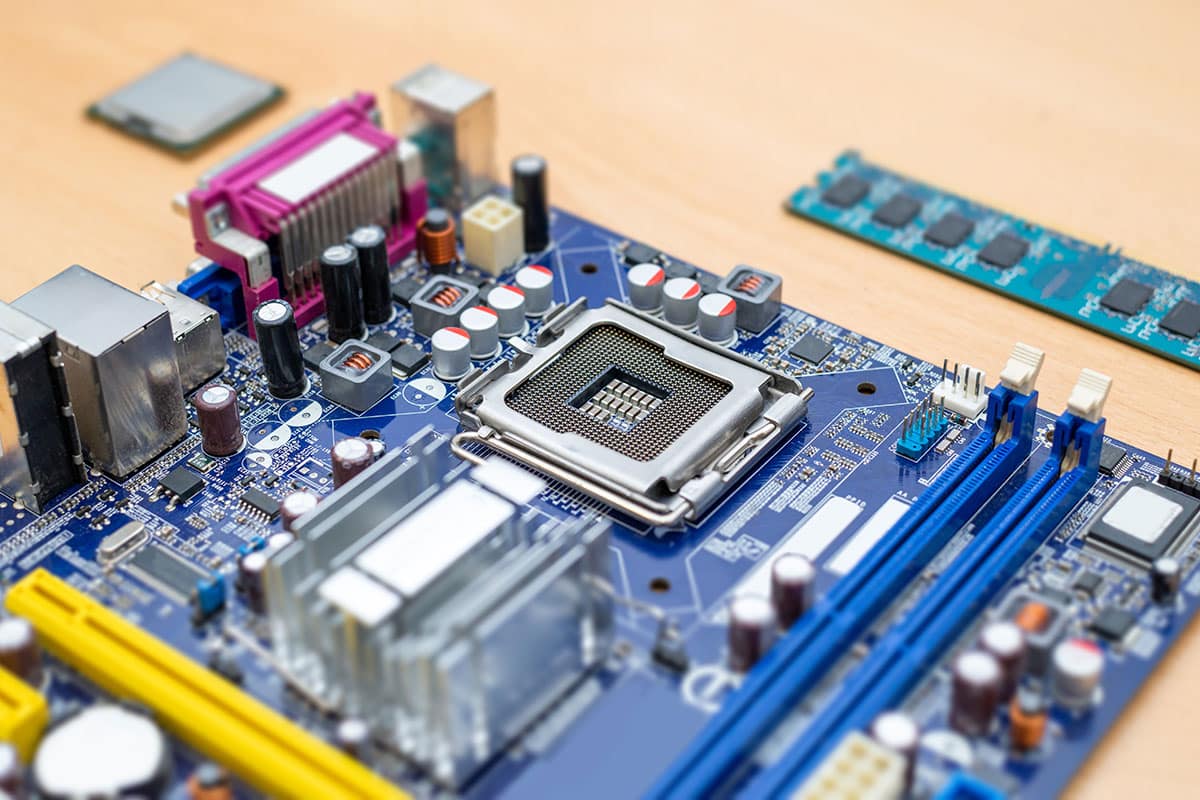
electronic component
Processors, memory units, and motherboards can all be given a second life in a new device.

Electronics manufacturing is on the cusp of a new era with the advent of organic semiconductors. With environmental regulations tightening, and consumers demanding green products, innovative manufacturers are discovering new, eco-friendly ways to make transistors and other semiconductors. These companies seek to tap into Mother Nature’s reserves to replace traditional components with easy-to-recycle materials. In addition, forward-looking manufacturers are developing new processes that are designed to lower energy costs, and use solvents that are far less toxic, making regulatory compliance easier.

The Building Blocks of Organic Semiconductors

Most of today’s semiconductors use a silicon wafer as the substrate (base material). Germanium is also used sometimes, but less commonly. Though silicon is nontoxic, it’s also in short supply, driving manufacturers to seek alternatives.

Glass, it turns out, is an ideal substrate for many types of semiconductors, and it’s become a popular choice for manufacturers. As with silicon, it can be used in chips that don’t require flexibility. With its low surface roughness, glass is a highly efficient choice and an abundant substitute for silicon.


But while glass is an environmentally friendly option, that may soon be a moot point. Both glass and silicon are rigid materials, and today’s new devices require chips that are flexible. And unfortunately, the most popular flexible substrate right now is plastic.

hand holding glass ball
Glass is a popular, widely available substitute for silicon.

Biodegradable Flexible Electronics

Imagine a computer screen that you can unroll, or a solar panel that bends to fit the gables of a roof. These are just some of the coming applications made possible by flexible electronics. Already, this technology is being used to make car dashboard displays that curve and fitness trackers that wrap around the wrist.

These new devices—including wearable electronics, medical sensors, and solar cells—require ultra-light and ultra-small components. This is causing many manufacturers to move away from traditional silicon chips to semiconductors that use a more flexible substrate. Currently, plastic is the most popular choice. But from an environmental standpoint, plastic substrates are a step backward. Plastic materials may have ushered in new electronics applications, but they also contribute to environmental pollution when the devices they make possible are eventually discarded.

Fortunately, organic alternatives have emerged in recent years that can effectively replace plastic. Polymers like paper and cotton have proven to be effective and inexpensive conductors. Best of all, these renewable, natural materials are compatible with the roll-to-roll manufacturing that makes flexible electronics possible. Now, a paper substrate can be combined with other natural materials to make a semiconductor that’s both flexible and easily recycled—or even designed to biodegrade after a certain amount of time.

Eat Your Transistor

Traditional semiconductor manufacturing techniques rely on multiple toxic substances, including cadmium, tellurium, gallium, mercury, and arsenic. These elements are hazardous to both people and the environment. Even more concerning, research shows that the metallic particles used in semiconductor production can remain in finished products such as solar panels, where they can be picked up during handling and deposited on skin, or even inhaled. Replacing these substances—which can be found in the chemical compounds used as solvents—is a priority for those companies determined to produce nontoxic semiconductors.

Fortunately, innovative researchers are making progress in this area, developing organic substitutes for both semiconductor components and solvents. Some of these substitutes are found in common foods. Beta carotene, for example, has been utilized as a p-type semiconductor in organic transistors. Glucose and caffeine are also used in organic semiconductors. All of these materials have the advantage of low cost and high biodegradability.

Green Solvents: A Key Ingredient in Sustainable Manufacturing

Creating a semiconductor involves multiple complex processes: patterning, deposition, planarization, etching, cleaning, and doping. Some of these processes involve the use of hazardous chemicals like toluene, acetone, methylene chloride, xylene, chloroform, isopropyl alcohol, and glycol ethers.  

These chemicals can be caustic and hazardous to humans. Many are known human carcinogens, and some of them—such as glycol ethers—are believed to cause reproductive harm. The use of these chemicals is one reason why semiconductors currently generate significant pollution during their manufacture.

But now a company in Germany called Merck KGaA (not affiliated with the pharmaceutical company) is setting out to change that. They’ve recently developed a green alternative to two highly toxic cleaners used in semiconductor manufacturing: N-methylpyrrolidone (NMP) and tetramethylammonium hydroxide (TMAH). The company is now looking to find eco-friendly alternatives to other harsh chemicals used in chip creation—urged on by semiconductor manufacturers who are trying to “green” the manufacture of their chips.

Soft Electronics: Brought to You by Organic Semiconductors

Replacing current substrates and semiconductor components with green alternatives—and doing the same for the harsh chemicals typically used in chip manufacture—is poised to usher in a new type of semiconductor that’s completely biodegradable.

Biodegradable electronics, also known as soft electronics, are expected to lead to an explosion in electronics devices designed to be worn or inserted into the human body. Soft electronics have predictable lifespans, and so naturally lend themselves to novel applications in the field of medicine. Using soft polymers, biodegradable metals, and other organic materials, researchers have created implantable medical devices that naturally dissolve and disappear over time, eliminating the need for removal surgery.


The field of soft electronics is new, but the number and type of devices being developed is growing—all of it made possible by organic semiconductors.

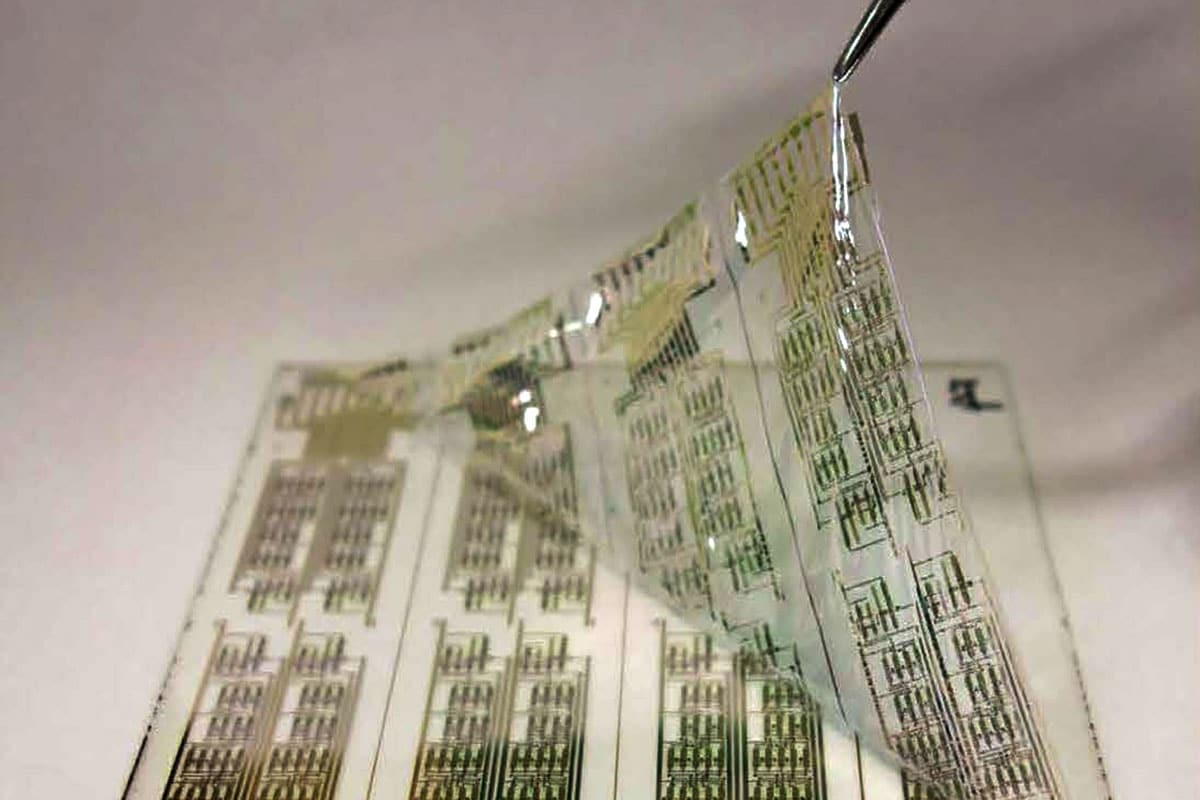
flexible circuit
Organic circuits like this one are making implantable medical devices possible.

The Future of Semiconductors

The technology industry has long been accused of contributing to climate change by making products that gobble large amounts of energy during their lifetime. Now the industry is being called out for its manufacturing processes as well. On that front, at least, the future looks promising. Organic semiconductors are just the innovation that electronics manufacturers need to help them meet their sustainability goals.

Electronics Design and Manufacturing Services

Our flexible, customized electronics manufacturing is supported by highly skilled engineers and driven by a commitment to quality and exceptional customer service. From streamlining product designs for greater efficiency, to high-precision manufacturing, to end-of-life product management, our team can help you get the most from your product’s lifecycle.

A 2020 survey by Boston Consulting Group found that 74 percent of consumers are willing to pay more for products that come in sustainable packaging. And 60 percent of consumers surveyed said they were less likely to buy a product if the packaging was not environmentally friendly. Electronics manufacturers are becoming increasingly aware of this consumer preference, and that awareness is driving the popularity of sustainable packaging materials.

Companies that provide green packaging can credibly claim to be environmental stewards and are viewed favorably by consumers. In addition, recyclable or biodegradable packaging is seen as forward-thinking and innovative—a positive association that can benefit electronics manufacturers, whose products must be perceived as original and inventive.

Consumer preference isn’t the only factor driving the trend in sustainable packaging. Governments, too, are demanding an end to plastic use. In California, a new law requires all packaging to be recyclable or compostable by 2032. And while certain plastics may be considered recyclable, the law was written with the specific goal of greatly reducing single-use plastic, and shifting the burden of plastic waste from consumers to companies—which is exactly what many consumers want.

Given these factors, switching to green packaging sooner rather than later can give electronics companies a competitive advantage. So why do some manufacturers hesitate?

According to Raconteur, 43 percent of brands cite cost as an obstacle to sustainable packaging. Over the past several years, however, the supply and diversity of environmentally friendly materials has increased dramatically, driving down costs and increasing options. Today, companies that choose to use green packaging materials have a wealth of options to choose from. Here are five of the most popular.

Cardboard – The Original Sustainable Packaging Material

Cardboard is one of the oldest of the eco-friendly packaging options. It’s been in use for decades, is easy to repurpose, and easy to recycle. And if the material comes from sustainable forests, then the carbon footprint for this material is low. In addition, used cardboard can be shredded, and gain new life as packing filler. And if the inks on the cardboard are also sustainable, the entire package can be composted.

Mushroom Packaging

Not just for spaghetti sauce anymore, mushrooms are one of the newest sustainable packaging materials to come on the market. To make this type of packaging, agricultural waste products like corn husks are first molded into the desired shape. Then mycelium—the part of a fungus that acts as its roots—is grown around the mold, binding the waste into a solid, break-resistant container. The containers take only seven days to grow, and can be made in bespoke shapes to fit just about any type of product, from small electronic devices to large appliances.

mushroom packaging
Mushroom packaging can be grown quickly into just about any shape

Bamboo – A Fast-Growing, Eco-Friendly Packaging Material

Bamboo is famous for its fast renewal rate—the plant grows up to one inch an hour. In addition, the plant is naturally strong, used for centuries to make everything from eating utensils to furniture. And now some electronics companies are using it for packaging. Dell Computer, for example, touts this “eco-friendly cushioning” to consumers, and claims to be the first in the electronics industry to make packaging from renewably sourced bamboo. While bamboo does not decompose as rapidly as other materials—it can take up to six months in a composting bin—it does not release any toxic materials into the environment as it breaks down, making it a reliable and popular choice among both consumers and manufacturers.   

Cornstarch-Based Foam

Foam packaging made from cornstarch is one of the most eco-friendly packing materials on the market. It’s sometimes referred to as “the new polystyrene” because it so perfectly mimics the traditional packing material. It even looks like polystyrene, and like the product it’s meant to replace, it can be made to order in any shape you need. For consumer products like electronics, cornstarch foam alone is all that’s needed for safe shipment. And once the product has been delivered, the consumer can dispose of the packing foam by composting it or dissolving it in water. Or the foam can simply be tossed in the trash, to safely biodegrade in the local landfill.

Seaweed – A Sustainable Packaging Material You Can Eat

According to the National Oceanic and Atmospheric Administration, eight million tons of plastic enter the world’s oceans every year, so it’s appropriate that one of the solutions to plastic pollution comes from the ocean itself. Growing up to one meter per day, seaweed is highly sustainable. It doesn’t compete with food crops, doesn’t need fresh water or fertilizer, and as an added bonus, it actively contributes to de-acidifying the ocean. Seaweed is now being used to make wraps, bottles, and other types of containers. The material is highly biodegradable, so much so that many of the containers made from it are in fact edible.

seaweed
Seaweed is one of the most eco-friendly packing materials available

Kitting and Fulfillment Services with a Positive Social Impact

PRIDE Industries offers comprehensive packaging and fulfillment services that incorporate sustainability practices tailored to each customer’s needs. Our top-quality work is performed by an inclusive workforce, giving our customers both reliable service and a unique social marketing advantage.