
Over the past several years, a series of new technologies has revamped manufacturing and led to the creation of the smart factory. Now, similar technologies are remaking the logistics side of the manufacturing process, leading to the creation of the smart warehouse. Smart warehousing uses automation, real-time data, and interconnected systems to manage the storage and flow of materials and products—creating another way for companies to wring more efficiency from the manufacturing process.
What Is a Smart Warehouse?
Traditionally, warehouses have relied on manual labor, paper-based records, and reactive workflows. These old-school methods often led to slower processes, more errors, and the inability to pivot quickly when change became necessary.
Not only does a smart warehouse automate your inventory tracking, but it can also help accurately forecast the inventory you need.
Enter the smart warehouse. This technology-driven facility is more than just a modern storage space. It improves on traditional warehousing processes by automating tasks, providing critical data in real time, and streamlining operations. A smart warehouse is particularly efficient at managing inventory and supply chain operations using state-of-the art technology and processes like RFID tags, demand forecasting, AI, and automated workflows.
Smart warehouses are transforming how manufacturers store and move inventory, particularly in electronics and other high-value sectors where speed, precision, and visibility are critical. At the center of these facilities are automated storage and retrieval systems (AS/RS), which streamline material handling by locating and transporting items with accuracy and speed. For manufacturers managing thousands of SKUs, this reduces picking errors while improving throughput.
Supporting these systems are Internet of Things (IoT) sensors, which continuously monitor conditions such as temperature and humidity. This is especially important for sensitive components like semiconductors or PCBs, where even minor environmental fluctuations can cause damage. By maintaining strict oversight of climate conditions in real time, manufacturers can safeguard product integrity and reduce costly scrap or rework.
Another essential layer of smart warehouse operations comes from robots. Whether moving pallets, performing repetitive picks, or handling tasks considered risky to human operators, robots can improve efficiency while enhancing worker safety. Their ability to take on high-volume, routine jobs also allows employees to focus on higher-value activities. And for tasks that still require human judgement, cobots—collaborative robots designed to work with humans—are making it possible for workers to produce more than ever before.
Tying these technologies together is the warehouse management system (WMS). By coordinating inventory flow, worker assignments, and robotic activity, the WMS ensures seamless integration across the warehouse, enabling a more agile, responsive manufacturing supply chain.
Key Benefits of a Smart Warehouse
Perhaps no company is more associated with warehouses than Amazon. So it’s worth noting that the company has invested heavily in robotics, AI, and connected systems. These investments have enabled the retail giant to optimize its fulfillment centers around the world—enabling faster order fulfillment, fewer errors, and enhanced scalability. But you don’t need to be a Fortune 500 company to benefit from a smart warehouse. Here are just some of the aspects of supply chain management that are enhanced by smart warehousing.
Improved Risk Management
According to McKinsey, over the course of a decade the average organization loses 45% of one year’s profits due to supply chain disruptions. A smart warehouse can improve these numbers by providing real-time monitoring and visibility across inbound and outbound flows. By identifying bottlenecks, disruptions, and anomalies early in the supply chain, companies can save time and money, and avoid unnecessary complications. For example, many manufacturers are now using real-time data, combined with AI-enhanced analytics, to mitigate risks from natural disasters and geopolitical disruptions.
Better Demand Planning and Inventory Control
Not only does a smart warehouse automate inventory tracking, it can also help accurately forecast inventory needs. By continuously analyzing past sales and industry trends, manufacturers can align product inventory with variable customer demand. These analytics-based adjustments to procurement and production schedules enable companies to streamline operations and lower costs.
Improved Order Fulfillment
Warehouse robots are no longer just unaware pallet movers. Modern robots, equipped with sensors and processing power, can now optimize their pathways across the warehouse, avoiding obstacles and following the shortest, safest path to their destination. This flexibility greatly improves order fulfillment. For example, according to Mind Studios (an international software engineering company), a smart warehouse can reduce pick-up time—the amount of time it takes to retrieve items from storage after order placement—by up to 50 percent.
Smart warehouses can also improve customer satisfaction by shortening product lead times. According to the Material Handling Institute, facilities that use warehouse robots have up to three times greater operational throughput (the number of finished items delivered over a given timeframe) compared to facilities without robots. Increased production and speed, however, are of little value if accuracy suffers. Fortunately, vision systems—an integral part of most smart warehouses—have been shown to significantly improve accuracy in order fulfillment.
Efficient Reverse Logistics
Using radio waves, RFID tags send item information to a scanner without direct contact. While this smart technology is primarily used to track products throughout production, storage, and distribution, it can also help with reverse logistics. The right software and systems can provide accurate, real-time tracking of your returns, and update the inventory database with any given product’s new location and status. Additionally, a smart warehouse enables the easy inspection of returned goods, streamlining the returns process and improving customer loyalty.
Other Major Benefits
The benefits of smart warehousing extend beyond storage, fulfillment, and shipping, and positively impact other aspects of warehouse operations as well, including:
- Reduced waste, leading to cost savings
- The ability to scale as needed for unexpected or seasonal demand
- Improved energy efficiency
- Improved regulatory compliance with automated reporting
In addition to improving logistics operations, smart warehouse technologies can also improve the operations of the warehouse facility itself. For example, smart technologies can automatically adjust lighting depending on occupancy or time of day, and track people entering or exiting the facility.
The Human Component
Transforming your facility into a smart warehouse does not mean eliminating humans.
The 2024 MHI Annual Industry Report, issued by MHI and Deloitte, concluded that new forms of AI work best when they are used to enhance and extend a human worker’s capabilities, enabling them to be productive and make better decisions. “The focus on technology in supply chains is undeniable. But supply chains are run by people, and human-centricity is the key,” said John Paxton, CEO of MHI.
Here are five ways that AI in a smart warehouse can enhance a worker’s productivity and improve the warehouse environment:
From Reactive to Proactive
Even a smart warehouse will experience disruptions. However, AI can allow warehouse workers to see a problem before it impacts operations. The ability to foresee and prevent issues elevates workers into more strategic roles. For example, a maintenance technician armed with AI-powered tools that predict necessary maintenance could schedule maintenance during downtime, rather than responding to an unexpected crisis during peak production hours. Not only does a proactive approach improve operations, it also creates a less stressful work environment for warehouse staff.
From Manual Entry to Smart Data Analysis
With a smart warehouse, workers are freed from the tedious job of logging inventory transactions. Instead, this information is captured by AI-powered systems automatically, freeing up warehouse staff to analyze and act on the data. For example, instead of transcribing shipment details, staff can use that time to analyze operational patterns and determine the source of any inventory anomalies identified by smart technology.
Reduced Physical Demands/Upskilled Opportunities
Historically, warehouse workers have retired young, due to the physical demands of their job. Today, a smart warehouse can eliminate many of the arduous physical tasks previously performed by workers. By reducing the physical toll workers face, companies with smart warehouses are better able to retain long-term employees with valuable industry knowledge. Instead of losing high-value employees, manufacturers can retrain them to oversee the robotic systems that now handle the physically demanding tasks they once did.
This dramatic shift away from manual labor is creating roles that are more technical, analytical, and supervisory. For example, in an electronics manufacturing smart warehouse, robotics process coordinators oversee robot integration, while AI/machine learning specialists develop algorithms to automate inventory and workflows.
Cross-Functional Collaboration
Traditionally, workers in warehouses have operated in silos with limited collaboration. Now smart warehouse systems are enabling greater collaboration across teams, leading to better problem-solving and improved employee morale.
Improved Safety
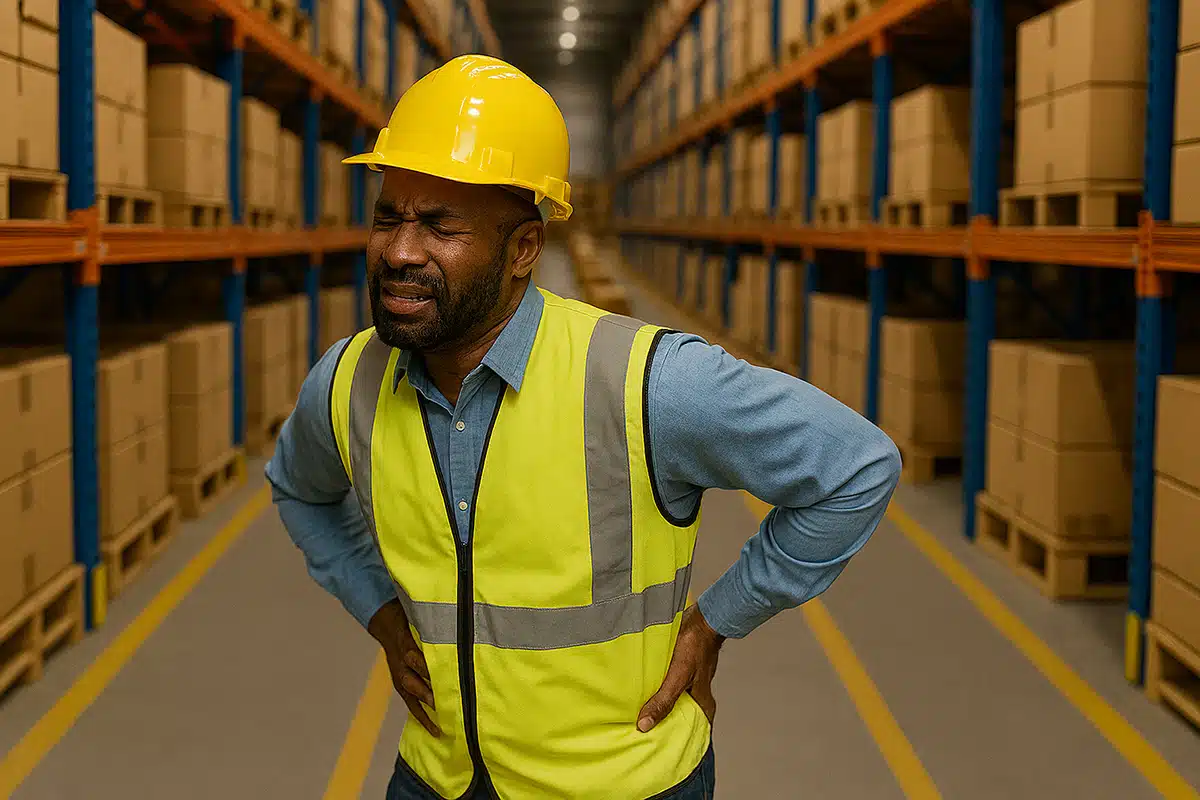
In today’s smart warehouse, specialized robots designed to work alongside humans, cobots, are taking over the hazardous, repetitive, and physically demanding tasks once performed by humans. This transition has significantly reduced the risk of workplace injuries, such as those caused by heavy lifting or other demanding physical tasks. According to SafetyIQ, a workforce safety software provider, using cobots can reduce workplace injuries by up to 72 percent.
Transitioning to a Smart Warehouse
The many tangible benefits of a smart warehouse are causing manufacturers to take notice. According to the MHI report, 55 percent of supply chain leaders are increasing their supply chain technology and innovation investments; 88 percent of these executives plan to spend over $1 million in the near future, and within that group, 42 percent plan to spend over $10 million.
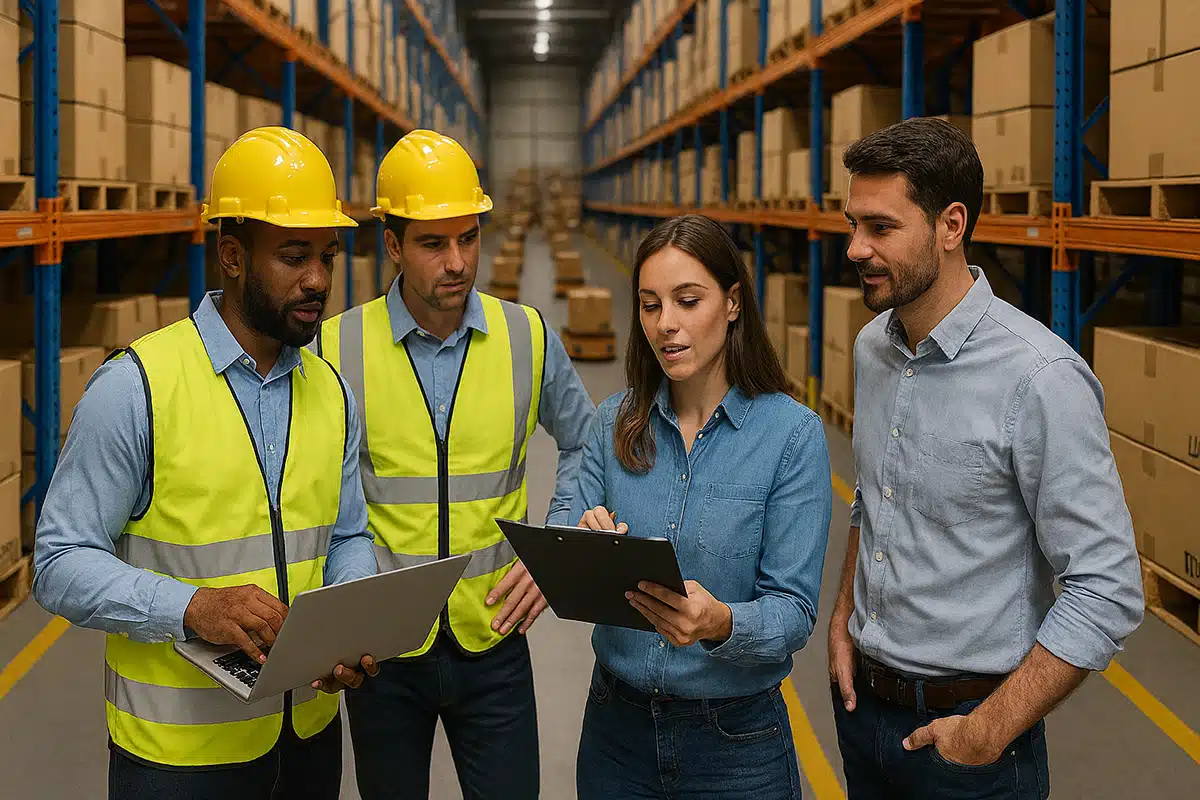
Before spending significantly on smart warehouse technologies, however, it’s imperative to have a plan. Transforming a traditional warehouse into a smart, technology-driven space is a big task that requires careful preparation and execution. Here are a few steps to keep in mind.
Assessment
Your first step should be to evaluate your current warehouse processes to identify inefficiencies, pinpoint bottlenecks, and decide where automation can provide the most value. For example, look for processes where errors are common or insufficient data is leading to poor decisions. Your smart warehouse transformation goals should be specific and realistic. For example, are you trying to improve order accuracy, component quality, or lower costs? You may have multiple goals, but it is critical to prioritize. Clearly defining your goals and your priorities will give you direction for the decisions that follow, including selecting the appropriate technology.
Technology/System Selection
Once you have a plan, you can begin to evaluate technology and systems. Start by understanding the available technology. For example, there are AI tools that enable accurate demand forecasting. Since you likely won’t be replacing 100 percent of the systems you currently have, be careful to determine which new systems and technology are compatible with your existing warehouse management systems and technology. Also, remember that the perfect solution today may be outdated tomorrow, so build adaptability and flexibility into your decisions.
Deployment
A successful transformation requires a deployment plan, including a timeline for rollout. The plan should be built with input from all stakeholders, including operations, IT, and warehouse staff. Taking a collaborative approach at the planning stage means that roles will be more easily understood when it comes time for deployment.
Even with a detailed plan, hiccups will inevitably occur with your deployment. So, before rolling out your new systems and technologies, pilot them in a small area. A measured approach of gradually layering in technology not only makes it easier to pivot, it also maximizes your ROI. And be sure to build a small cushion into your budget for unforeseen developments.
Training
Your transformation will bring new roles, workflows, and system interfaces. For a smooth adoption with minimal disruptions, be sure to support your employees throughout the process with a cohesive training program that includes hands-on workshops, help desks, and real-life simulations. Prioritizing change management—helping people adapt and feel comfortable with change—will pay dividends in the long run.
Continuous Monitoring and Adaptation
Your transformation isn’t a static process. You should continuously gather data and analyze it, using that information for continual improvement. Fortunately, in a smart warehouse, advanced technologies such as RFID tags, IoT-enabled sensors, and centralized warehouse management systems make it easy to continuously monitor inventory, equipment, and environmental conditions in real time.
A Strategic Journey
With a smart warehouse, electronics manufacturers can unlock major benefits: real-time visibility, better risk management, accurate demand planning, faster fulfillment, and a safer, more productive workplace. However, your smart warehouse transformation must go beyond just installing new machines or software—it’s a strategic journey requiring clear goals, careful planning, strong change management, and a culture of continuous improvement. The work is significant, but so is the payoff—a warehouse solution that’s highly efficient, resilient, and scalable.