A hundred years ago, indoor air quality solutions were easy to come by. Occupants of commercial buildings could access fresh air by simply opening a window. But as commercial buildings have changed, so has the concern about the air circulating inside these buildings.
When Honeywell surveyed 3,000 office workers in 2022, it found that 72% worried about air quality in their buildings, 90% wanted to be kept informed about indoor air quality (IAQ), and 62% would consider leaving a job if their employer failed to create a healthier indoor environment. The widespread concern regarding indoor air quality is shared by regulatory bodies as well. Standards and frameworks such as ASHRAE 62.1 and WELL are tightening expectations around ventilation, filtration, and continuous IAQ monitoring, raising the bar for compliance and documentation.
New indoor air quality solutions make it possible to not only meet, but exceed, even the most stringent regulatory requirements.
In today’s business environment, indoor air quality solutions are a top concern at many companies. Fortunately, by following best practices, it’s possible for facilities managers to meet these heightened expectations. By proactively managing IAQ, facilities teams can reduce risk, support regulatory readiness, and unlock advantages like higher occupant satisfaction and a more resilient building portfolio.
Common Indoor Pollutants
When the ventilation, filtration, or humidity control is not working well in a commercial space, indoor air quality can be compromised by a handful of common pollutants:
- Particulate Matter (PM): Particulates may include dust, smoke, pollen, and other small solid or liquid particles that can be inhaled and cause health problems, such as worsening asthma or cardiovascular issues.
- Volatile Organic Compounds (VOCs): These are airborne chemicals emitted from building materials (for example, paint), furnishings, and cleaning products. In addition to eye, nose, and throat irritation, long-term exposure to VOCs may increase the risk of cancer.
- Biological Contaminants: Mold, bacteria, viruses, and dust mites can trigger allergies, asthma attacks, and other health issues. Biological contaminants often thrive when humidity control systems are not functioning properly.
- Carbon Dioxide (CO2): At typical indoor levels, CO2 is not toxic. However, with inadequate ventilation, it can become elevated and cause drowsiness and impaired thinking.
In the U.S., the primary organization setting IAQ standards is the American Society of Heating, Refrigerating and Air-Conditioning Engineers (ASHRAE). The most significant ASHRAE standard related to commercial buildings is ASHRAE Standard 62.1.
Another important regulatory body is the Occupational Safety and Health Administration (OSHA), which is charged with ensuring safe and healthful working conditions. While OSHA does not have specific IAQ standards, it does set ventilation standards as well as standards surrounding some of the air contaminants that are often involved in IAQ problems.
IAQ guidance can also vary by state. For example, California has introduced assembly bills in recent years targeting indoor air quality at schools and workplaces. Additionally, California has a Green Building Standards Code, which establishes enhanced ventilation and pollutant control measures.
Other associations weighing in may include the Environmental Protection Agency (EPA), the Centers for Disease Control (CDC), the International WELL Building Institute (IWBI), and Leadership in Energy and Environmental Design (LEED).
Indoor Air Quality Solutions Through Technology
With so many organizations making recommendations and setting standards for IAQ, it can be a challenge to ensure that facilities meet all applicable requirements. Fortunately, new indoor air quality solutions are making it possible to not only meet, but exceed, even the most stringent regulatory requirements. These technologies make it easier than ever before to detect, block, and eliminate pollutants.
Detection and monitoring
The days of “set-and-forget” technology are over. Modern HVAC systems are evolving into active, data-driven platforms. Integrated into building management systems (BMS) and IoT platforms, these systems can sense, interpret, and respond to conditions in real-time. They are capable of monitoring CO2, total VOCs, and PM—often in one housing unit that also monitors temperature and humidity.
Filtration and Purification
Filtration is key to blocking pollutants from entering rooms and hallways. The use of high-efficiency filters (ideally, MERV 13 or higher) ensures that small particles like pollen, dust, and germs are captured before they can cause problems. And disinfection technologies like ultraviolet-C light (UV-C) can be used to inactivate airborne pathogens and reduce microbial growth on coils and other surfaces.
By combining mechanical, passive filtration (like activated carbon and HEPA) with active technology (such as ionization and oxidation), facility managers can take a more balanced, proactive approach to indoor air quality. And integrating AI into building management systems enhances these indoor air quality solutions even further by optimizing the balance of filtration and active purification based on real-time sensor data.
Pollutant Neutralization
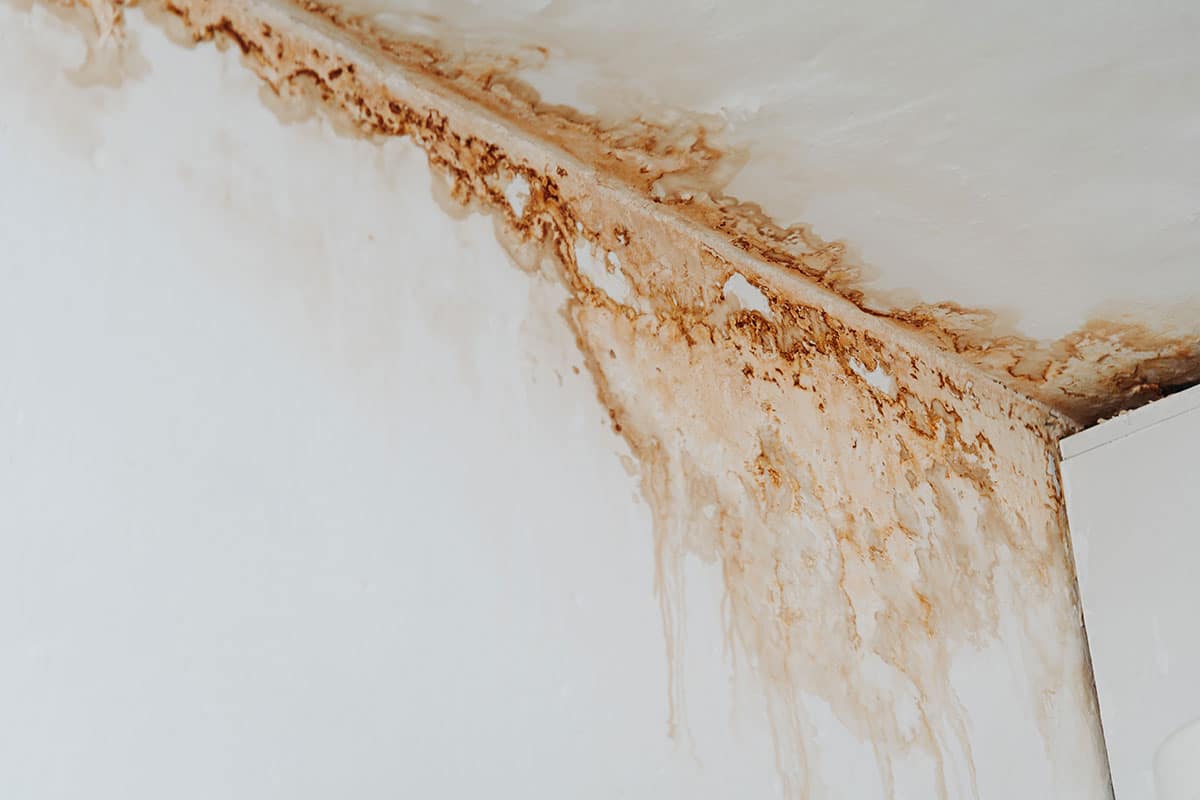
Newer technology goes beyond capturing pollutants to actively destroy these harmful substances. For example, photocatalytic oxidation (PCO) systems use UV light with a catalyst, such as titanium dioxide, to break down microbes and VOCs into a harmless mixture of carbon dioxide and water. Another approach, bipolar ionization, works by attaching to airborne particles to neutralize harmful viruses, bacteria, and some chemicals—all without producing harmful ozone.
As powerful as the above technologies are, ultimately they’re most effective when used as part of a comprehensive program. It’s also important to note that technology is only part of the solution. With that in mind, here are six best practices to help you get the most from the indoor air quality solutions you choose to use.
Control Pollution Sources
Less pollution created in and around a building means less pollution to filter, remove, and control. Prohibiting indoor smoking and addressing water leaks that can cause mold are obvious ways to cut down on pollutants. Likewise, low-VOC cleaning agents and paints are widely available to help address indoor air quality.
While some sources of pollutants are obvious, others are not. Frequently overlooked VOC sources include the adhesives, stains, varnishes, and composite wood often found in office furniture. Furniture made with pressed wood or treated with oil-based coatings is especially concerning, as it tends to off-gas higher levels of VOCs, including formaldehyde, benzene, toluene, and xylene. While these emissions gradually decrease over time, they can pose health risks in poorly ventilated indoor environments.
For these reasons, the American Lung Association recommends choosing solid wood furniture over pressed-wood furniture. If a company does choose pressed-wood furniture, carpet with flame-retardant materials, or other items containing VOCs, experts recommend unwrapping these items and letting them air out for a week or more before introducing them indoors.
Certain sources of pollution are unique to specific industries. For example, an electronics manufacturing facility may have indoor pollutants from soldering fumes, and a medical laboratory may have VOC pollution from formaldehyde and other chemicals.
Upgrade HVAC Systems
It’s crucial to regularly maintain and update a building’s heating, air conditioning, and ventilation systems. This includes routine duct cleaning and inspection, professional cleaning of components (coils, pans, blowers, etc.), and regular filter replacement. Keep in mind that if you choose to use higher-efficiency filters, you will likely need to change them more often compared to MERV filters with lower ratings. The finer filtration of high-efficiency filters traps more particles, but this quality also leads to faster clogging.
Ensure Adequate Ventilation
According to ASHRAE, enclosed spaces increase the spread of infection. Fortunately, fresh air can greatly mitigate this risk. Improved ventilation can often be achieved through simple steps, such as opening windows when the weather allows (if windows can be opened), adjusting mechanical systems for higher fresh air intake, or using an energy recovery ventilator. These ventilators improve air by exchanging stale indoor air with fresh outdoor air while also transferring heat and moisture. A system using these ventilators can prove highly efficient in winter by recovering heat from the outgoing warm indoor air and using it to preheat incoming cold air. In summer, the process is reversed—the coolness of the outgoing air is captured to pre-cool hot incoming air.
Monitor Humidity and Dangerous Gases
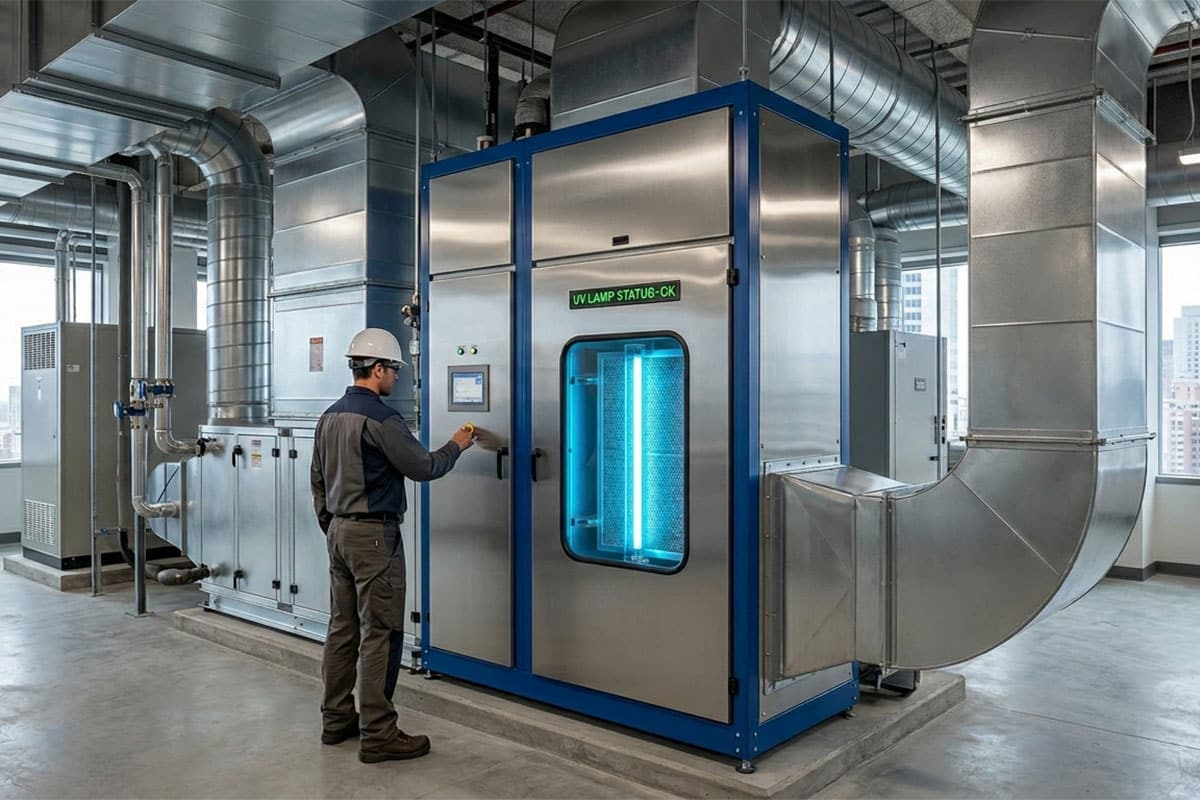
Just as temperature must be continuously monitored, so should humidity. The EPA recommends maintaining indoor humidity levels between 30% and 50%. A humidity level above 50% promotes the growth of mold, which can damage building materials and lead to serious health issues for building occupants. Below are just a few of the risks associated with excess moisture:
- Absenteeism due to illnesses such as asthma
- Reduced employee productivity due to uncomfortable environments
- Damaged furniture or supplies
- Loss of building space during damage repair
- Increased insurance and litigation costs related to moisture damage claims
In addition to controlling humidity, it’s important to monitor for gases that are known to cause health issues. These include carbon dioxide, particulate matter (PM 2.5 and PM10), and volatile organic compounds. Out-of-bound readings should be addressed immediately, even if that requires occupants to exit the building. Fortunately, modern systems provide real-time alerts that usually enable facility managers to detect problems long before occupants are impacted.
Partner with Building Occupants
Regular communication with building occupants is essential for maximizing indoor air quality solutions. Informing occupants about IAQ initiatives, maintenance schedules, and air quality test results is an excellent way to build trust. So is documenting and addressing any building concerns raised by occupants. Including building occupants in this way gives them a sense of ownership that makes them less likely to behave carelessly, for example by blocking vents or damaging a shared space. They’ll also be more likely to respect nonsmoking areas, and to report leaks, odors, or other issues that affect air quality.
Conduct Regular Audits and IAQ Assessments
Although an indoor air quality audit is not always part of a standard facility condition assessment (FCA), many organizations add this audit to the FCA process—especially to address recent regulatory compliance updates, occupant complaints, or as part of sustainability and health initiatives. The typical steps of an indoor air quality audit include:
Background Evaluation: Review occupant complaints and health concerns, maintenance records, and the building’s history.
Inspection: Walk through the facility and seek to identify possible sources of indoor air pollution, such as chemicals, mold, moisture, or emissions.
Ventilation Systems Evaluation: Evaluate the operation and conditions of the facility’s HVAC systems, including filters, ductwork, outside air intakes, and exhaust vents.
Testing: Test air samples for temperature, humidity, and the presence of pollutants—such as carbon dioxide, VOCs, and particulates—to identify areas of concern.
Data Analysis: Compare collected data with ASHRAE, OSHA, and EPA guidelines to diagnose problems.
Mitigation: Develop appropriate indoor air quality solutions such as system upgrades or other corrective actions.
Indoor Air Quality Solutions Require a Proactive Approach
Achieving superior air quality in commercial facilities requires a multi-pronged approach, one that includes proactive strategies and maintenance. It’s important to tackle obvious pollutant sources, such as smoking and chemicals, as well as not-so-obvious sources, like VOCs from furnishings and biological contaminants from poor humidity control. Common pitfalls—such as “set-and-forget” HVAC systems, irregular filter changes, and a lack of occupant involvement—can inhibit your attempts to improve the environment. Following the best practices outlined here, on the other hand, makes it easy to avoid these pitfalls and maximize the indoor air quality solutions you choose to implement. Facility managers who keep up with the latest regulations and technology can breathe a (clean) sigh of relief, knowing they are improving the health of building occupants—and their company’s bottom line.