
The earliest recorded use of a “pesticide” or chemical compound to deal with insects was in 2500 BC; archeological research has shown that the ancient Sumerians were using sulfur compounds to repel and kill insects during this time. And while the types of pesticides commonly used have changed in the past 3000 years, the desire to get rid of pests hasn’t. Even today, a bug sighting can inspire an instinctive urge to eliminate the invader at all costs, leading, in some cases, to the overuse of hazardous pesticides. Fortunately, now there’s another option available for commercial pest control: integrated pest management.
Unlike traditional grab‑and‑spray protocols, integrated pest management (IPM) takes a different approach. By leveraging data about insects—their lifecycles, and how they interact with plants and other insects—IPM can stop problems before they start. And while IPM does include the judicious use of pesticides, this methodology relies more on other means, making it an increasingly popular choice for companies seeking sustainable pest control solutions for commercial landscaping.
Healthier landscapes require less intervention overall, and targeted treatments reduce labor and material expenses. Over time, this leads to more predictable budgeting and fewer costly surprises.
The Benefits of IPM for Commercial Pest Control
Integrated pest management has become the preferred approach for sustainable commercial pest control because it balances effectiveness, environmental responsibility, and long‑term cost savings. Rather than relying on routine chemical applications, IPM emphasizes prevention, monitoring, and targeted intervention. This shift reflects a broader national movement toward greener facility operations and more resilient landscapes.
IPM for commercial pest management has several important benefits:
- Reduced chemical use – IPM prioritizes non‑chemical methods and uses pesticides only when necessary, improving safety and reducing environmental impact.
- Lower long‑term costs – Preventative strategies and targeted treatments minimize expensive remediation and reduce material waste.
- Improved regulatory compliance – IPM aligns with evolving environmental standards and supports documentation for audits and inspections.
- Enhanced sustainability – Healthier landscapes, reduced runoff, and lower toxicity contribute to ESG and corporate sustainability goals.
- Greater effectiveness – By addressing root causes rather than symptoms, IPM provides more durable, long‑lasting pest control.
One of the primary advantages of IPM is its ability to limit the development of pesticide‑resistant pest populations. In decades past, heavy reliance on chemical pesticides allowed certain insects and weeds to adapt, rendering once‑reliable treatments far less effective. IPM counters this problem by incorporating a wider range of control methods—biological, mechanical, and chemical—making it harder for pests to develop resistance. This diversified strategy not only protects the environment but also preserves the long‑term viability of pest‑control tools.
IPM also supports healthier indoor and outdoor environments. By reducing the frequency and volume of chemical applications, facilities minimize the risk of contaminating soil, waterways, and air. This is especially important in public spaces such as parks, campuses, and recreational areas, where visitors may be sensitive to chemical exposure. For organizations with ESG goals, IPM provides a measurable way to reduce environmental impact while maintaining high standards of effectiveness and safety.
IPM has financial benefits too. Because it focuses on prevention and early detection, IPM reduces the need for large‑scale remediation and repeated chemical treatments. Healthier landscapes require less intervention overall, and targeted treatments reduce labor and material expenses. Over time, this leads to more predictable budgeting and fewer costly surprises.
Together, these benefits make IPM a powerful tool for facilities managers seeking to protect their buildings, landscapes, and occupants while meeting sustainability expectations.
Eco-Friendly Commercial Pest Control Methods
Today’s sustainable commercial pest control programs include a wide range of low‑toxicity and non‑chemical solutions that weren’t widely available even a few years ago. These methods help organizations reduce chemical exposure, improve indoor air quality, and support sustainability goals.
Botanical and Essential‑Oil‑Based Treatments
Plant‑derived compounds such as rosemary, peppermint, thyme, and geraniol provide effective control of ants, roaches, and flying insects with minimal environmental impact. These products break down quickly, reducing the risk of residue in sensitive environments.
Microbial and Biological Controls
Beneficial organisms—such as Bacillus thuringiensis (Bt), parasitic wasps, predatory mites, and nematodes—can be used to target specific pests without harming people, pets, or beneficial insect species like bees and ladybugs. These biological agents are especially useful in landscaped areas, green roofs, and outdoor common spaces.
Heat Treatments
High‑temperature remediation is now a leading method for eliminating bed bugs and other heat‑sensitive pests without chemicals. Heat treatments are particularly valuable in hospitality, healthcare, and multi‑unit residential settings where chemical exposure must be minimized.
Pheromone and CO₂‑Based Traps
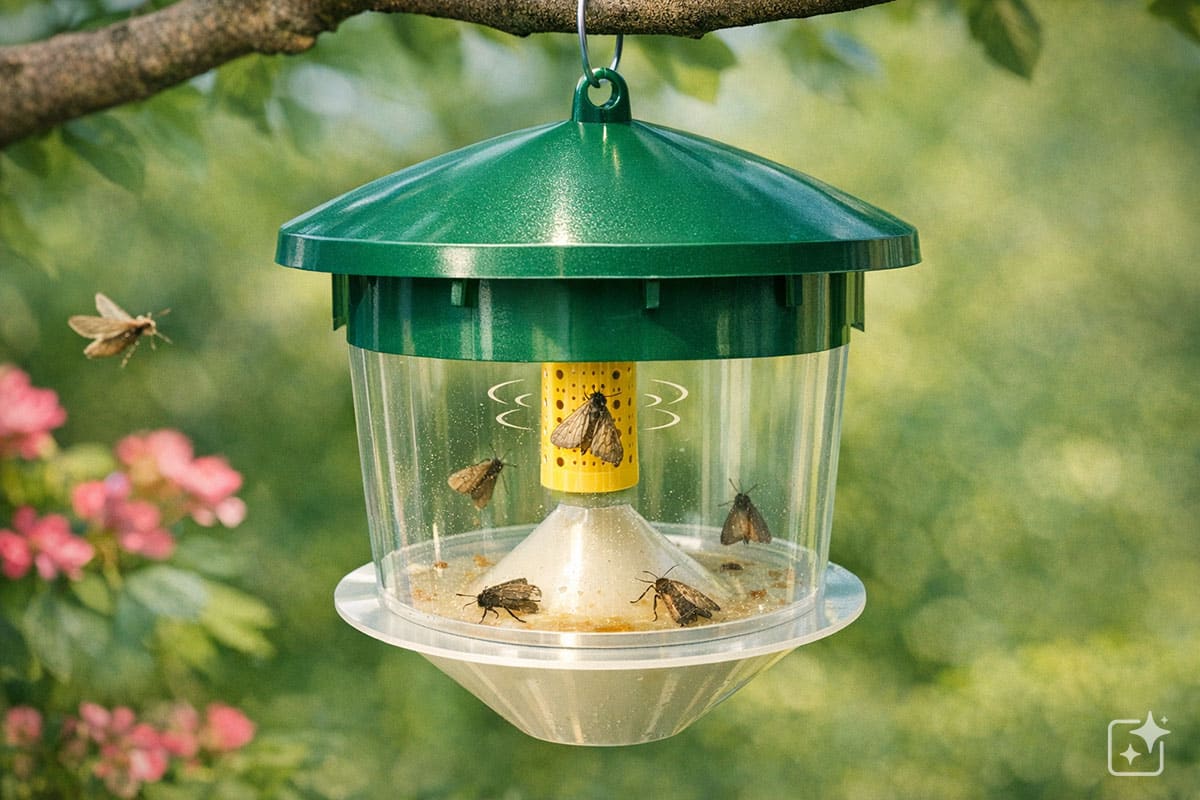
These traps attract and capture pests by mimicking the chemical signals that drive insect behavior, and so reduce the need for broad‑spectrum pesticides. Pheromone traps are especially effective in warehouses and food‑service environments.
Mechanical Controls
These include adjusting irrigation schedules, improving soil health, installing physical barriers, using mulches that deter pests, and pruning vegetation. These methods support long‑term pest suppression by making the environment less hospitable to unwanted species.
Smart Technology: The New Frontier of Commercial Pest Control
In addition to the traditional tools listed above, advances in digital technology have created new IPM solutions that are reshaping commercial pest control. Facilities can now leverage advanced monitoring tools that improve accuracy, reduce chemical use, and support data‑driven decision-making. Here are four smart tools worth considering.
IoT‑Enabled Pest Monitoring Traps
Monitoring traps use sensors to detect pest activity and send real‑time alerts to technicians. This enables faster response times, reduced labor costs, more precise interventions, and better documentation for audits. These smart traps are especially useful in large facilities such as warehouses, distribution centers, and manufacturing plants.
AI‑Driven Monitoring and Analytics
Artificial intelligence can identify patterns, predict infestations, and optimize technician routes. AI systems analyze temperature and humidity trends, historical pest activity, structural vulnerabilities, and seasonal patterns. This predictive capability helps facilities managers address issues before they escalate.
Drone‑Assisted Inspections
Drones can inspect roofs, loading docks, and hard‑to‑reach exterior areas, providing a safe way to detect the presence of insects before they become a serious problem. Drones are particularly valuable for large campuses, industrial sites, and buildings with complex architecture.
Digital Reporting and Compliance Tools
Modern pest‑control platforms provide automated service logs, photo documentation, trend analysis, and compliance reports. These tools streamline communication between pest‑control providers and facilities teams.
Whether or not you choose to invest in advanced digital technologies, or prefer to rely solely on traditional methods, it’s important to ground your operations in practices and techniques that have proven to keep buildings and landscapes healthy. Here are six best practices that will help ensure your pest control program’s long‑term success.

1. Strengthen Sanitation Protocols
Sanitation is the foundation of any effective commercial pest control program. Pests are opportunistic; they gravitate toward food, moisture, and shelter. When these resources are available to insects—whether in a break room, warehouse, loading dock, or landscaped area—pest pressure increases dramatically. Facilities managers can reduce this pressure by ensuring that food waste is promptly removed, spills are cleaned quickly, and storage areas remain organized and free of clutter. Even small lapses, such as leaving trash bags beside a dumpster or allowing organic debris to accumulate in drains, can create ideal breeding conditions for bugs.
In commercial environments, sanitation must be consistent and systematic. This means establishing clear cleaning schedules, ensuring that custodial teams understand their role in pest prevention, and conducting regular inspections of high‑risk areas such as kitchens, waste‑handling zones, and mechanical rooms. When sanitation is treated as a shared responsibility across departments, pest problems become far less likely to escalate.
2. Improve Structural Integrity
Exclusion—physically preventing pests from entering a building—is one of the most effective and sustainable pest‑control strategies available. Many infestations begin with small structural vulnerabilities: a gap under a door, a torn window screen, or a crack in a foundation wall. Rodents, insects, and other pests can exploit openings far smaller than most people realize. For example, mice can squeeze through holes the size of a dime, and cockroaches can flatten their bodies to slip through narrow crevices.
Facilities managers should incorporate routine structural inspections into their maintenance programs. This includes checking for damaged weather stripping, ensuring door sweeps are intact, sealing utility penetrations, and repairing worn or broken screens. Loading docks, in particular, require close attention due to their frequent traffic and open spaces. By addressing these vulnerabilities proactively, facilities can significantly reduce the need for chemical treatments and improve long‑term pest control.
3. Manage Landscaping Thoughtfully
Outdoor environments play a major role in indoor pest pressure. Overgrown vegetation, standing water, and poorly selected plant species can attract insects and rodents, creating a pipeline of pests that eventually make their way indoors. Sustainable landscaping practices—such as choosing native or pest‑resistant plants, maintaining proper irrigation schedules, and ensuring adequate drainage—help create an exterior environment that discourages pest activity.
Facilities managers should work closely with landscaping teams to ensure that shrubs and trees are trimmed away from building exteriors, mulch is applied sparingly near foundations, and irrigation systems are calibrated to avoid over‑watering. Excess moisture is one of the most common contributors to pest problems, particularly in warm climates. By designing and maintaining landscapes with pest prevention in mind, organizations can reduce both outdoor and indoor insect activity while supporting healthier, more sustainable grounds.
4. Monitor Continuously
Regular monitoring is essential for early detection and targeted intervention. Traditionally, commercial pest control relied on reactive measures—responding only after a problem became visible. Modern IPM emphasizes proactive monitoring through frequent inspections, strategically placed traps, and digital tools that track pest activity over time. This approach allows facilities managers to identify trends, pinpoint hotspots, and address insect incursions before they escalate into full infestations. Over time, this data also helps refine pest‑control strategies, which can reduce chemical use and improve overall facility performance.
Monitoring also supports better documentation, which is increasingly important for regulatory compliance, third‑party audits, and internal reporting. Keep in mind that while smart traps and other technologies do provide useful information on insect activity, visual inspections are still needed to confirm the data in order to make truly informed decisions.
5. Train Staff
Even the most sophisticated pest‑control program can falter if employees are not trained to support it. Staff members are often the first to notice early signs of pest activity, such as droppings, gnaw marks, damaged packaging, or unusual odors. When employees know what to look for and how to report it, facilities managers gain valuable eyes and ears throughout the building. Training should also cover basic prevention practices, such as proper food storage, waste handling, and maintaining clean workspaces.
Creating a culture of awareness does not require extensive training sessions. Short, focused briefings during staff meetings, onboarding, or safety trainings can be highly effective. The goal is to empower employees to participate in pest prevention rather than relying solely on external service providers. When everyone understands their role, pest issues are identified earlier, addressed faster, and prevented more effectively.
6. Collaborate Across Departments
Sustainable commercial pest control is inherently collaborative. Pest issues rarely originate from a single source; they emerge from the interplay of sanitation, maintenance, landscaping, operations, and even procurement decisions. For example, a maintenance team may repair structural gaps, but if the janitorial team is not managing waste effectively, pest pressure will persist. Similarly, landscaping teams may maintain vegetation, but if operations staff leave loading dock doors open, pests will still find their way inside.
Facilities managers can strengthen pest‑control outcomes by fostering communication between departments and establishing shared goals. Regular cross‑departmental check‑ins, joint inspections, and clear reporting channels help ensure that everyone understands how their work contributes to pest prevention. When pest control becomes a collective effort rather than a siloed responsibility, facilities achieve more consistent, long‑lasting results.
A National Shift Toward Sustainable Pest Control
Across the country, pest‑control strategies are evolving to incorporate broader sustainability goals. California’s 20‑year Sustainable Pest Management (SPM) Roadmap is just one example of how governments and industries are rethinking commercial pest control with an emphasis on prevention, environmental health, and reduced chemical reliance. Similar initiatives are emerging nationwide as states and municipalities adopt more stringent environmental standards.
This shift mirrors a broader movement toward holistic, science‑based approaches to pest management—ones that prioritize prevention, monitoring, and targeted intervention over routine chemical application. For facilities managers, this means adapting to new expectations around transparency, environmental stewardship, and long‑term planning.